
Botulinum Therapy: Expression Wrinkles, Botox, Dysport, and Aftercare
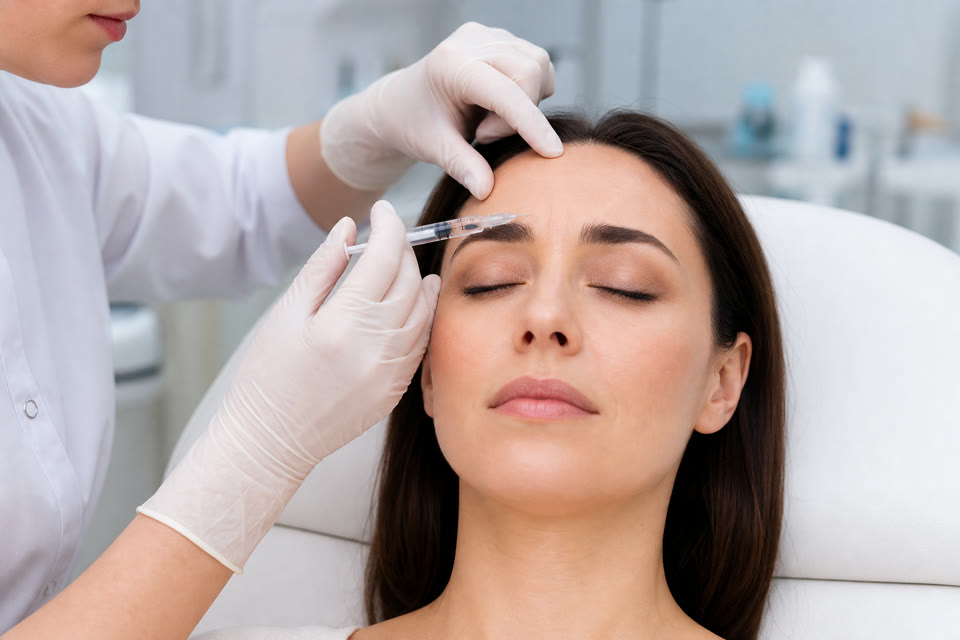
Botulinum therapy (Botox, Dysport, Xeomin): smoothing expression wrinkles, procedure steps, indications, aftercare, and FAQ — Radeski Skin Clinic.
Key takeaways
- Botulinum therapy temporarily relaxes expression muscles and smooths wrinkles
- Results last 3–8 months; repeat treatment is usually every 4–12 months
- Procedure takes 15–20 minutes; effect starts in about a week, final assessment at 2 weeks
- Treats forehead, glabella, eye area, lips, and neck zones
- Static wrinkles may need a combined treatment plan
What is botulinum therapy?
Botulinum therapy at Radeski Skin & Aesthetic Clinic is a procedure in which certified products based on purified, weakened type A botulinum neurotoxin are injected into facial expression muscles. These may include Dysport, Relatox, or Xeomin — they work on the same principle as the original American Botox. The muscles relax temporarily, smoothing forehead, glabellar, and crow's feet wrinkles and reducing visible neck bands.
What results can you expect?
Results typically last 3 to 8 months, so many patients ask how often treatment can be repeated. Injections are usually done every 4–12 months. Some patients maintain treatment continuously, others take breaks — but repeated use does not cause muscle atrophy. Blood supply to the muscle may even improve because spasm no longer compresses vessels.
At Radeski Skin & Aesthetic Clinic, botulinum toxin injections are a fast, convenient way to correct deep expression lines. Horizontal forehead and glabellar wrinkles can be nearly eliminated, as can crow's feet around the eyes.
How is the procedure performed?
Injection takes about 15–20 minutes. Anesthesia is usually not required; topical numbing cream can be applied if desired.
Fine needles deliver the product into small muscles beneath the skin — the same muscles that create wrinkles on the forehead, at the eye corners, on the glabella, nose bridge, and upper lip. The product begins to work on average within one week, reducing muscle movement so wrinkles smooth and skin looks more even.
Final results are assessed after about two weeks.
Main treatment areas
- horizontal forehead lines;
- vertical frown lines between the brows;
- glabellar fold;
- crow's feet around the eyes;
- fine lines above the upper lip;
- vertical and horizontal neck wrinkles;
- downturned mouth corners.
Deep expression wrinkles often form from habits such as frowning, squinting, or raising the brows. Reduced facial muscle tone can lead to tissue descent and a less defined contour. Botulinum injections can help prevent creases, soften wrinkles, lift mouth corners, improve the neck and chin area, and refine the lower third of the face.
Why expression wrinkles appear
One cause is the natural tension of muscles that convey emotion. Over time, the most active zones develop more visible folds that become harder to control.
- Horizontal forehead lines — common in people who raise their brows often.
- Crow's feet — fine and deeper lines around the eyes, often in expressive people or those who squint.
- Vertical glabellar lines — frequent in people who concentrate intensely or frown.
- Neck bands — sometimes seen in fitness enthusiasts with excess neck muscle tension.
- Perioral lines — from active lip and mouth movement.
Although wrinkles rarely feel flattering, they often reflect natural expression and sometimes character. Specialists searched for effective solutions for years — and this method, like many breakthroughs, was discovered partly by chance.
History of the method
Botulinum therapy entered cosmetology from neurology. Neurologists first noticed wrinkle reduction as a side effect when treating focal facial spasms.
What to avoid after treatment
For several days, avoid:
- facial massage;
- makeup (unless your doctor advises otherwise);
- intense exercise;
- large amounts of alcohol;
- blood-thinning medications;
- heat exposure (sauna, very hot showers);
- certain antibiotics and pain relievers that affect clotting;
- smoking.
Botox vs hyaluronic acid
Botox is effective for delicate expression zones — forehead, glabella, and eye area. Hyaluronic acid cannot directly remove dynamic crow's feet; the perioral skin is delicate and improper filler can cause tissue firmness. Both are often combined in a personalized anti-aging plan.
Which wrinkles does Botox not remove?
Botox smooths wrinkles caused by active muscle movement. Static wrinkles from skin aging and loss of elasticity are not fully corrected by botulinum toxin alone — other treatments may be needed.
Why not treat only the glabella?
The forehead and glabellar muscles are antagonists. If the forehead is treated but the glabella remains active, frown lines may become more pronounced. Zones should be planned comprehensively.
Contraindications
- hepatitis, cancer, hemophilia, and other serious conditions;
- flare of chronic disease;
- certain medications affecting the nervous system;
- pregnancy and breastfeeding;
- active inflammation on facial skin;
- labial herpes flare.
Possible side effects
- swelling and bruising around the eyes or glabella;
- facial asymmetry;
- eyelid ptosis;
- temporary changes in speech articulation.
Proper dosing, injection points, and physician experience minimize risks. At Radeski Skin Clinic, injections are performed under dermatologist supervision with an individual protocol.
Which product is best?
Many specialists recommend certified botulinum products such as Xeomin or Dysport for first-time treatment. Product choice is made at consultation based on zone, skin condition, and desired effect.
Related services: Botulinum therapy, Injection cosmetology, Biorevitalization, Prices.
When to see a doctor
- Deep wrinkles on the forehead, glabella, or around the eyes
- Expression feels natural but lines remain visible
- Neck bands or downturned mouth corners are a concern
- You need advice on contraindications and repeat treatment schedule
Frequently asked questions
Hashtags
#Botulinumtherapy#Botox#Dysport#Xeomin#Expressionwrinkles#Injectioncosmetology#RadeskiSkinClinic#Fergana
Important note: This article is for general information only and does not replace a medical consultation.
Related clinic services
More helpful articles
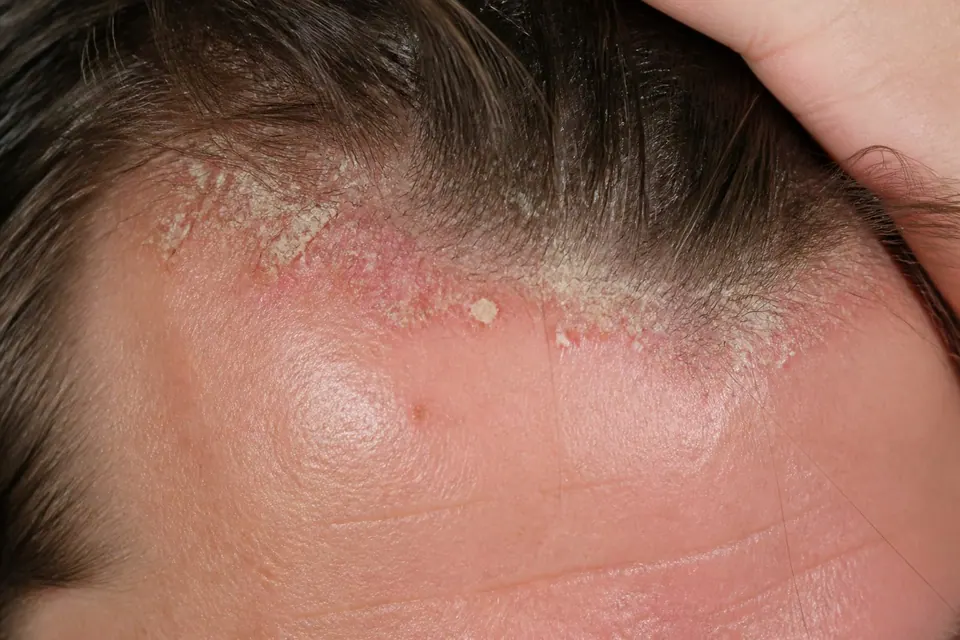
Seborrheic Dermatitis: Causes, Symptoms and Treatment — Dandruff and Facial Redness
Seborrheic dermatitis: dandruff, redness and flaking on the face and brows. Causes, how it differs from psoriasis and fungus, treatment and home care. Dermatology visits in Fergana and Kokand.
Read more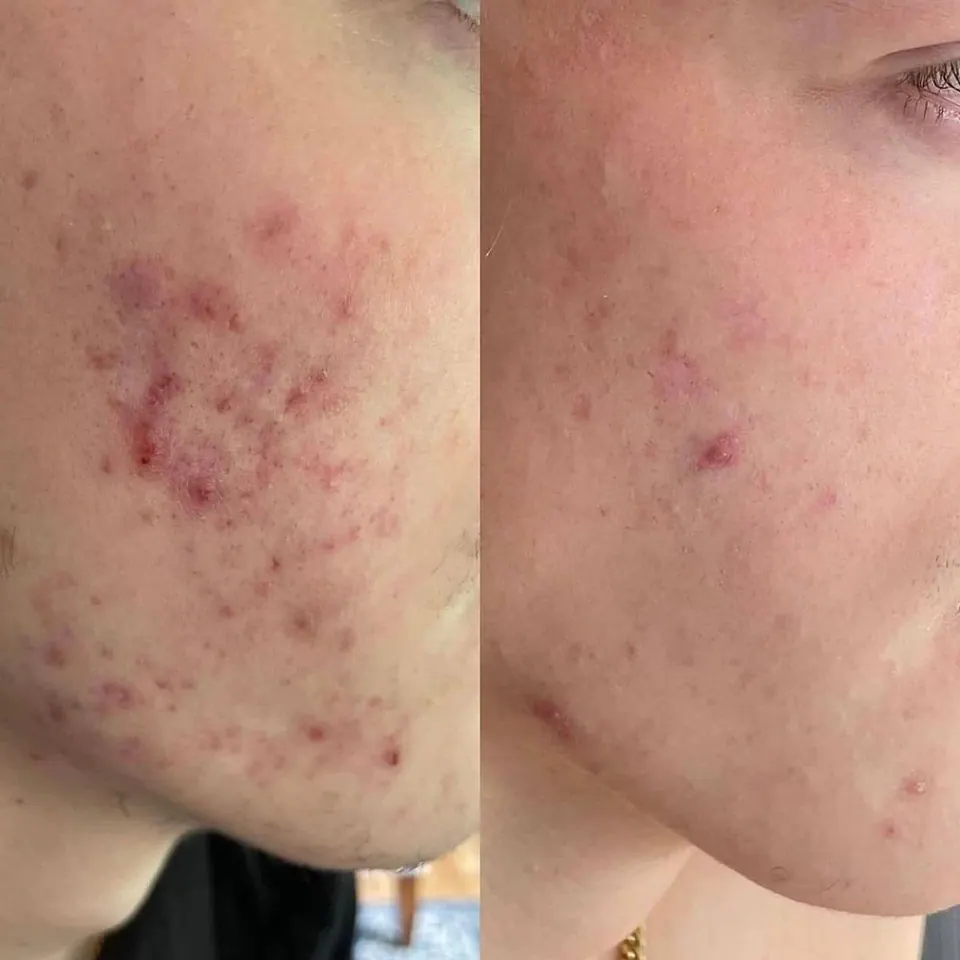
Adult Acne: Causes, Treatment and When to See a Dermatologist
Why acne appears in adults, how it is treated and when to see a dermatologist. Dermatology visits at Radeski Skin Clinic in Fergana and Kokand.
Read more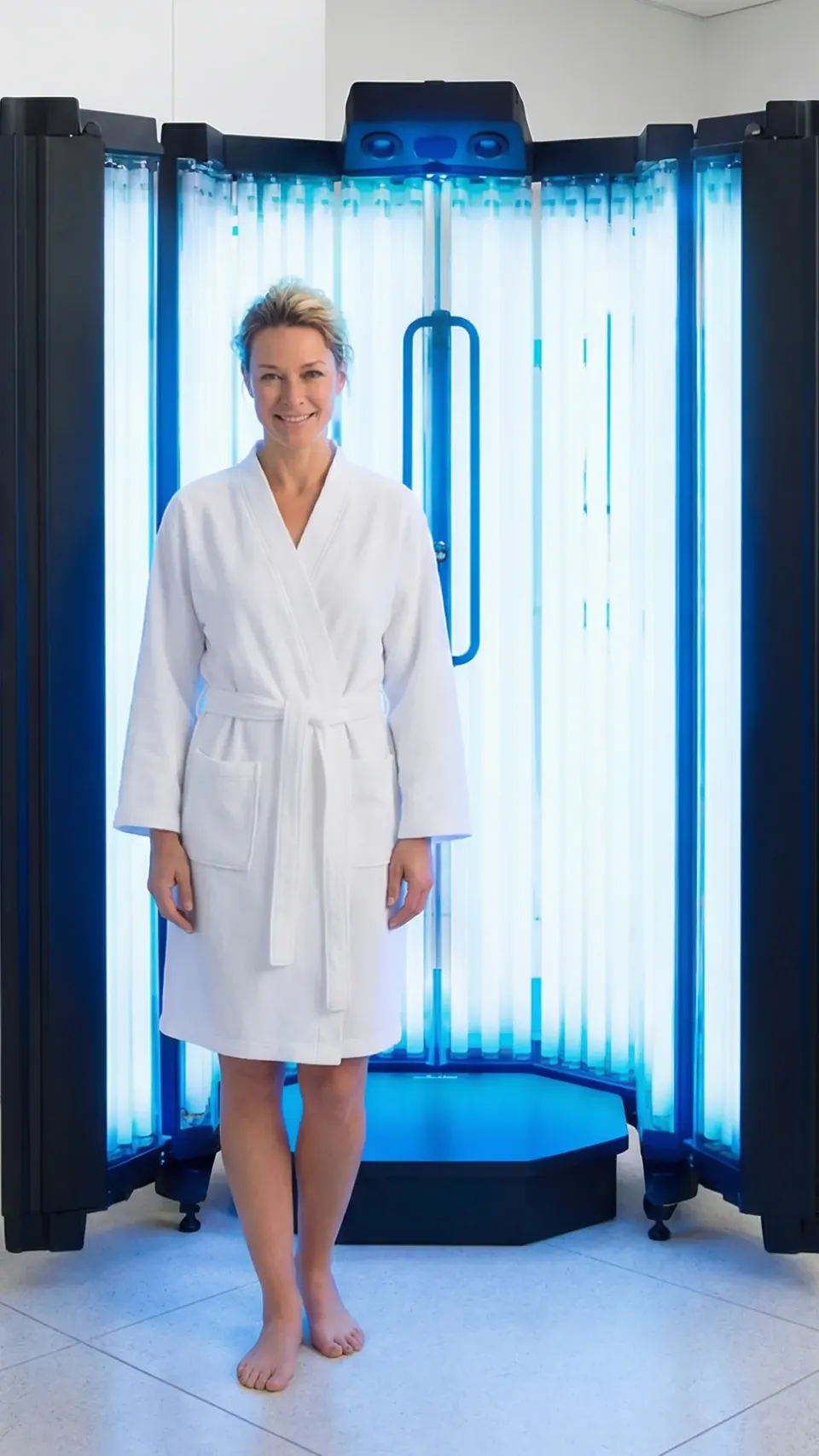
Psoriasis: Symptoms, Diagnosis and Treatment
How psoriasis is diagnosed and treated: main signs, dermatoscopy and severity scoring, topical therapy, Daavlin narrowband UVB 311 nm, excimer laser and biologic therapy. Fergana and Kokand.
Read more