
Why Acne Needs a Dermatologist — Not Just a Cosmetologist
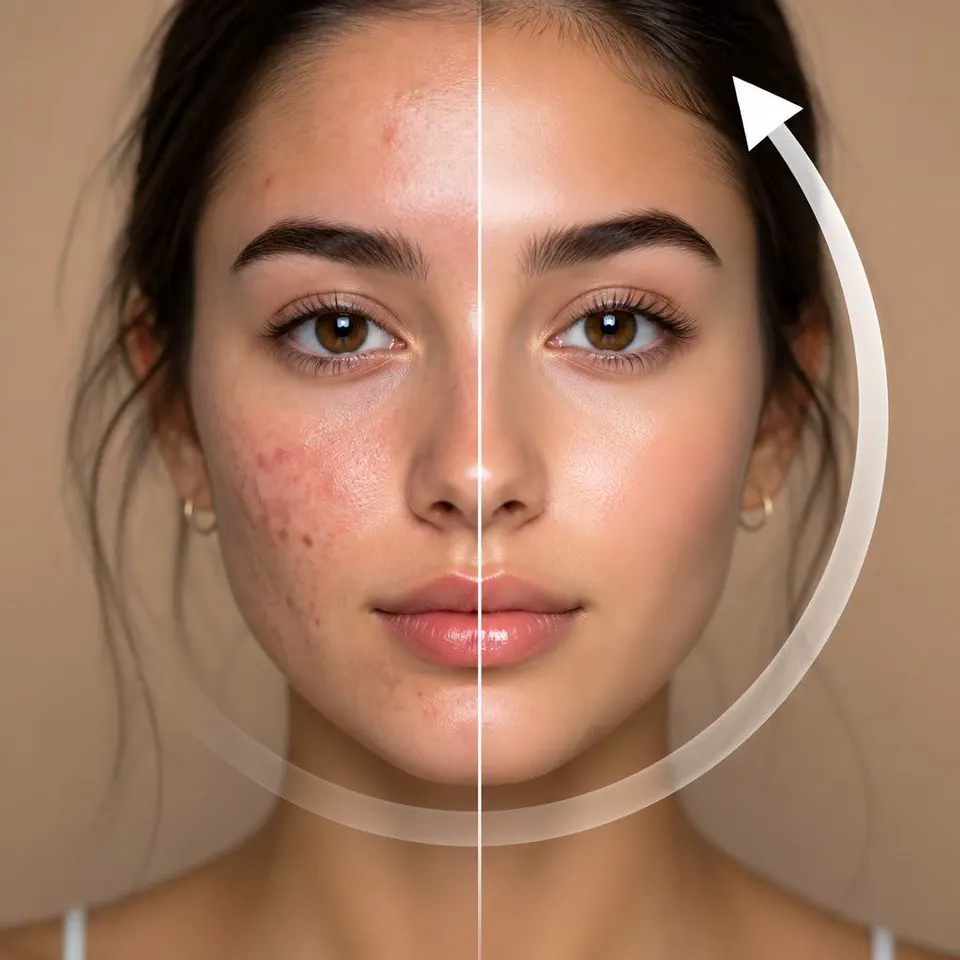
Why acne should be treated by a dermatologist, not only a cosmetologist: diagnosis, severity, post-acne risk, and a personal plan in Fergana and Kokand.
Key takeaways
- Acne is a chronic inflammatory disease, not “dirty skin”
- A dermatologist first confirms the diagnosis and severity — not every rash is acne
- Facials and cosmetics do not replace medical treatment; they support it
- Earlier correct care means a lower risk of spots and scars
Why acne belongs with a dermatologist — not only a cosmetologist
Acne is not a minor cosmetic flaw or “dirty skin.” It is a chronic inflammatory disease. Persistent breakouts, painful inflamed lesions, or marks after acne need a proper diagnosis and a structured plan — which starts with a dermatologist.
Cosmetic procedures can support skin care. They do not always treat the cause. Replacing medical care with facials and creams often wastes months and can make skin worse.
Acne is a medical condition
Acne usually comes from several factors together: more active oil glands, clogged pores, inflammation, and shifts in the skin microbiome. Hormones, family history, some medicines, and other conditions can also play a role.
That is why treatment should not be reduced to a facial or a new cosmetic routine. Current clinical practice uses topical medicines, systemic therapy when needed, and device-based methods in selected cases. The choice depends on severity and type — decided at a medical exam.
Why see a dermatologist first?
1. The diagnosis must be right
Not every facial rash is acne. Folliculitis, perioral dermatitis, and rosacea can look similar.
A wrong label means months of procedures and products that miss the problem — or irritate the skin. International dermatology practice stresses accurate diagnosis before treatment.
2. Severity guides the plan
Acne ranges from a few comedones to marked inflammation and nodules.
Mild disease may respond to topical therapy and a sensible home routine. Moderate and severe acne often need a stronger plan, including systemic medicines. Guessing this yourself is unreliable.
3. The goal is more than clearing today’s spots
Treatment should reduce current lesions and lower new breakouts and scarring.
The longer active acne lasts and the more severe it is, the higher the risk of post-acne marks and scars — especially with painful inflammatory and nodular forms.
Why a facial alone is not enough
A mechanical cleanse can temporarily improve appearance and clear some comedones. It does not stop every mechanism of acne.
If inflammation continues, new lesions return.
Squeezing inflamed spots yourself or an overly aggressive cleanse can injure skin and raise the risk of post-inflammatory spots and scars.
Cosmetic procedures at acne should add to medical treatment, not replace it.
Can cosmetics treat acne on their own?
Good skincare matters. Gentle cleansing, moisturiser, and sun protection support the barrier and make therapy more comfortable.
Cosmetics and medicines still have different jobs.
For active acne a dermatologist may prescribe proven options such as topical retinoids, benzoyl peroxide, azelaic acid, or other medicines as the case requires. Systemic drugs are used in selected situations.
Do not start antibiotics or other systemic, especially prescription, medicines on your own.
Acne can leave traces
Even after inflammation settles, the problem may continue as:
- red or brown marks;
- uneven texture;
- atrophic and other scars;
- enlarged pores and changed skin feel.
Waiting for it to “go away on its own” raises scarring risk as severity and duration increase.
Acne is not only about the skin
Acne can affect self-esteem, mood, social life, and quality of life. Psychological burden can appear even in relatively mild disease.
“They’re just pimples, they’ll pass” is not always true. If breakouts bother you, keep returning, or already leave marks, seeing a dermatologist is a reasonable step — not an overreaction.
When a dermatologist visit is especially important
Book a consult if:
- breakouts keep returning;
- lesions are painful and inflamed;
- they spread to the chest, back, or shoulders;
- spots remain after pimples;
- scars are forming;
- over-the-counter cosmetics do not help;
- acne returns after a short improvement;
- breakouts started in adulthood;
- acne strongly affects self-esteem and daily life.
When a cosmetologist is genuinely useful
A cosmetologist can help after a doctor has assessed the skin, as part of a combined plan: home care and selected procedures for skin quality and post-acne.
During active acne, medical diagnosis and treatment should remain the core.
The takeaway
A cosmetologist supports skin care. A dermatologist treats the disease.
They can work together. The sensible order is: diagnosis and severity with a dermatologist, then treatment, then cosmetic procedures if needed.
The earlier the right plan starts, the better the chance of control and fewer spots and scars.
Care at Radeski Skin Clinic
In Fergana and Kokand a dermatologist builds an individual plan: topical or systemic therapy, device-based methods when appropriate, and post-acne correction. The aim is lasting control, not only a clear day.
If pimples and breakouts bother you, you do not have to experiment with cosmetics for years. See a dermatologist for diagnosis and a personal plan.
When to see a doctor
- Breakouts keep returning
- Lesions are painful and inflamed
- They spread to the chest, back, or shoulders
- Spots or scars remain after pimples
- Over-the-counter cosmetics do not help
- Acne returns after a short improvement
- Breakouts started in adulthood
- Acne strongly affects self-esteem and quality of life
Frequently asked questions
Hashtags
#acne#acnetreatment#dermatologistforacne#pimplesontheface#howtotreatacne#postacne#acnescars#cosmetologistordermatologist#adultacne#teenageacne#Fergana#Kokand#RadeskiSkinClinic
Important note: This article is for general information only and does not replace a medical consultation.
Related clinic services
More helpful articles
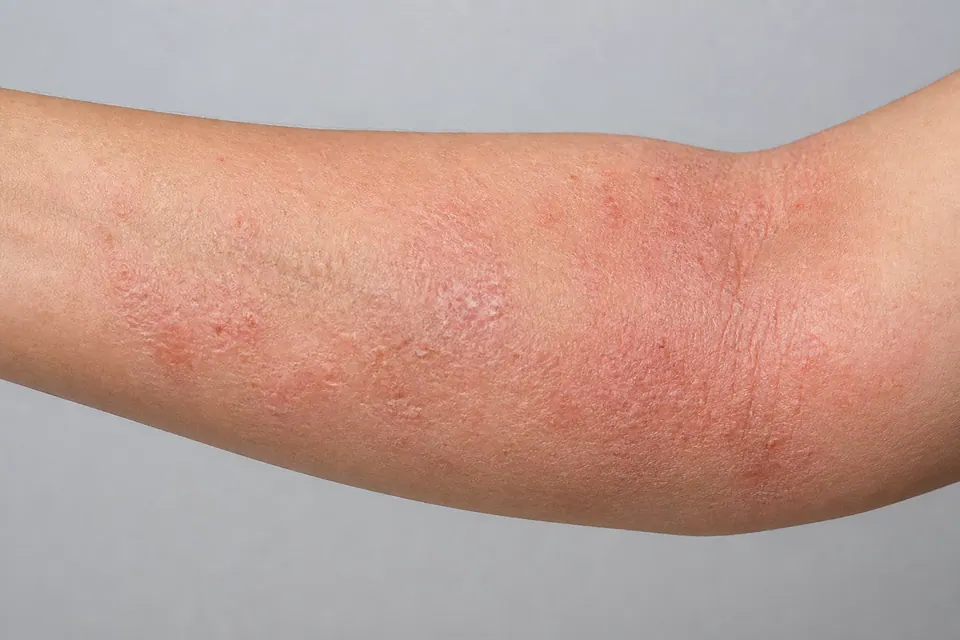
Winter Skin Care: How to Prevent Dryness, Cracks and Flaking
Why skin dries and cracks in winter: a daily routine for face, hands, lips and body, common mistakes and when to see a dermatologist. Advice in Fergana and Kokand.
Read more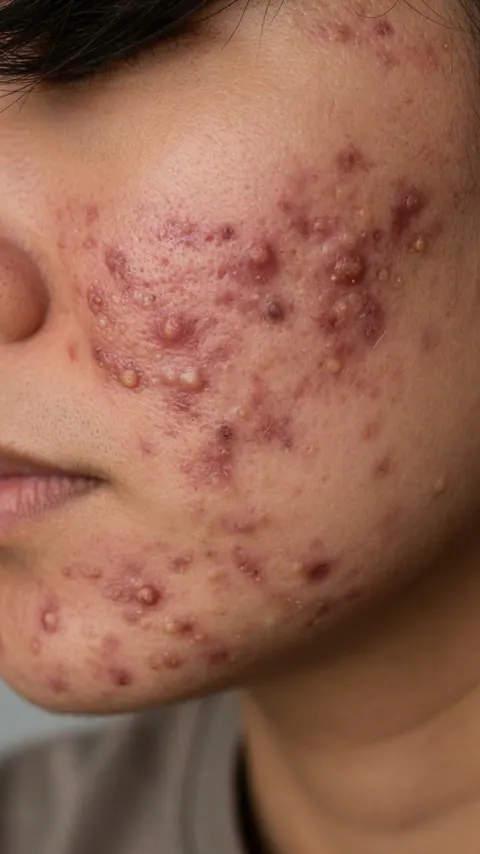
Adult Acne: Causes and Modern Treatment | Radeski Skin Clinic
Adult acne: causes, diagnosis, and modern treatment at Radeski Skin Clinic in Fergana and Kokand — medication, laser, IPL, and personalized care.
Read more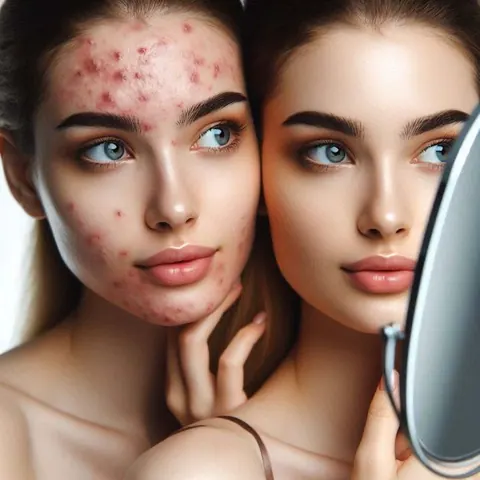
Acne: Causes, Symptoms, and Modern Treatment Options
Learn why acne develops, how to recognize symptoms, and which dermatology treatments are available in Fergana and Kokand at Radeski Skin Clinic.
Read more