
Winter Skin Care: How to Prevent Dryness, Cracks and Flaking
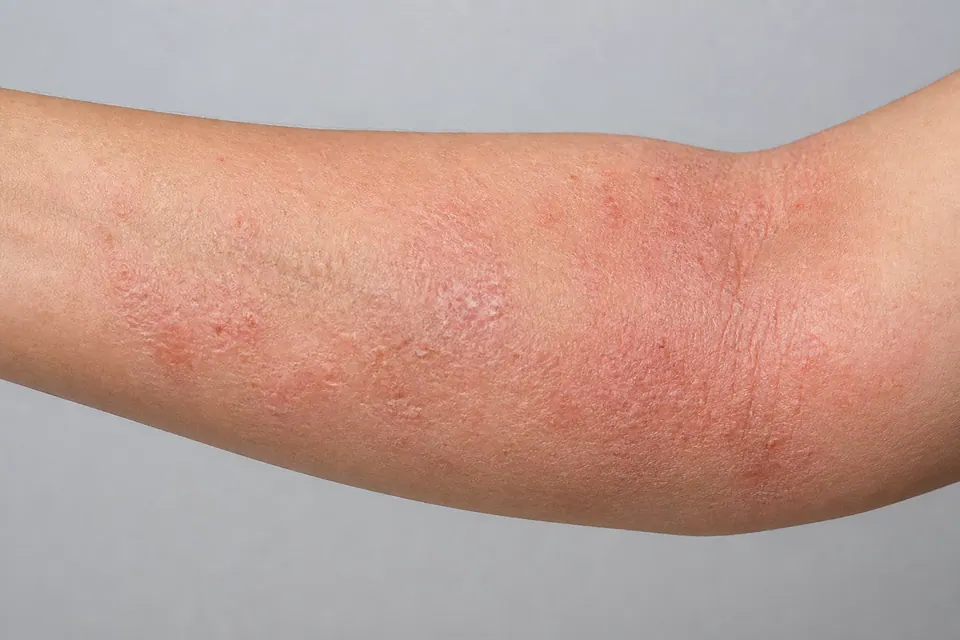
Why skin dries and cracks in winter: a daily routine for face, hands, lips and body, common mistakes and when to see a dermatologist. Advice in Fergana and Kokand.
Key takeaways
- Cold, wind, heating and hot water dry the skin in winter
- Gentle cleansing and a richer moisturiser twice a day are the core rule
- Cream after every hand wash, gloves outdoors
- Sunscreen is still needed in winter
- Redness, weeping and severe itching may be eczema or dermatitis
In winter many people find their skin dry, tight, itchy and cracked on the hands. The reason is simple: outside there is cold and wind, inside the heating dries the air. The skin loses its protective layer and moisture evaporates quickly. The right care prevents most of these problems.
Why does skin dry out in winter?
- Cold air holds little moisture, and wind dries the skin out.
- Heating drops indoor humidity to 20–30%.
- Hot showers and baths wash away the skin's natural oils.
- Frequent hand washing and sanitisers dry the hands badly.
- Too little water and lots of hot drinks.
The result is tight, flaky, red, itchy skin with small cracks. Atopic dermatitis, eczema and psoriasis often flare in winter.
A daily winter routine
Face
- Cleanse with a gentle cream or gel cleanser, not soap.
- Skip alcohol-based toners and lotions.
- Use a richer moisturiser morning and evening — with ceramides, hyaluronic acid or glycerin.
- Apply it 20–30 minutes before going out so it is fully absorbed.
- Keep using sunscreen in winter — especially if you have pigment spots. More: Melasma.
Hands
- Wash in warm water and apply cream after every wash.
- Wear gloves outdoors and rubber gloves for housework.
- A thick cream at night under cotton gloves heals cracks quickly.
Lips
- Apply lip balm often.
- Do not lick your lips — it dries them further.
Body
- Keep showers to 5–10 minutes in warm water.
- Pat your skin dry instead of rubbing.
- Apply body cream or lotion within 3 minutes of showering.
Home
- Use a humidifier or put bowls of water in the room.
- Air rooms often and do not overheat them.
Common winter mistakes
- Long, very hot showers.
- Frequent scrubs and peels — winter skin is thinner and more sensitive.
- Going out into the cold with a damp face or hands.
- Relying on a light gel as "moisturiser" — winter calls for a richer cream.
- Ignoring itching — it can be a sign of disease.
When is it more than dry skin?
If, despite good care:
- the skin turns red, itchy and weepy — it may be eczema or atopic dermatitis;
- greasy flakes appear on the face, eyebrows and scalp — seborrheic dermatitis;
- your whole body itches — the causes of itching need to be found;
- cracks on your hands bleed, hurt and will not heal,
— see a dermatologist. Cream alone is not enough here; you need treatment.
Winter skin advice in Fergana and Kokand
At Radeski Skin Clinic a dermatologist assesses your skin type and condition, chooses winter care products and starts treatment if there are signs of disease. For deep hydration a cosmetologist may suggest procedures such as biorevitalisation.
Winter skin needs simple but regular care: warm water, gentle cleansing and a daily cream prevent many problems.
When to see a doctor
- Skin turns red, itchy and weepy
- Cracks on the hands bleed and do not heal
- Your whole body itches
- Greasy flakes appear on the face and scalp
- A child has severe dry, itchy skin
Frequently asked questions
Hashtags
#Winterskincare#Dryskin#Crackedhands#Moisturiser#Cosmetologist#Fergana#Kokand#RadeskiSkinClinic
Important note: This article is for general information only and does not replace a medical consultation.
Related clinic services
More helpful articles
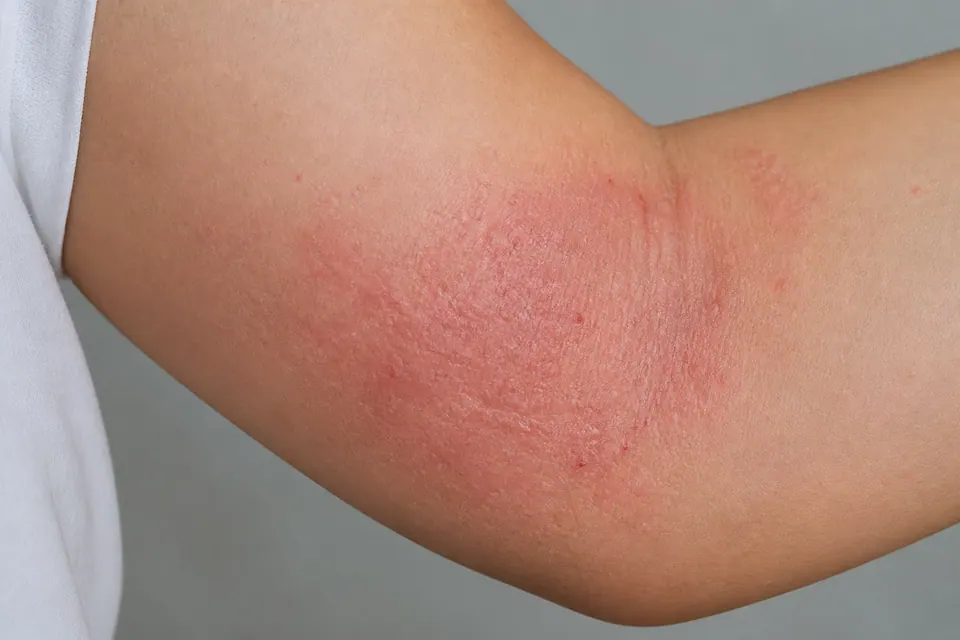
Eczema: Types, Causes and Treatment — Red, Weeping and Itchy Skin
Eczema: redness, blisters, weeping and intense itching. Types, causes, how it differs from psoriasis and fungus, treatment and winter hand care. Dermatologists in Fergana and Kokand.
Read more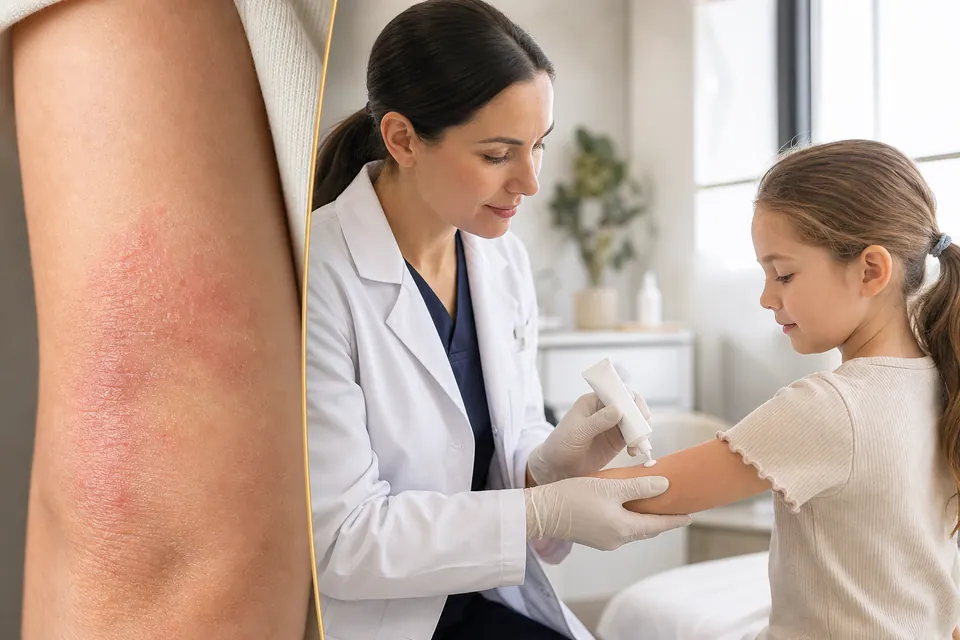
Atopic Dermatitis: Symptoms, Causes, and Modern Treatment
Atopic dermatitis is a chronic inflammatory skin condition marked by dryness, itching, and rashes. Learn about causes, symptoms, diagnosis, and modern treatment approaches.
Read more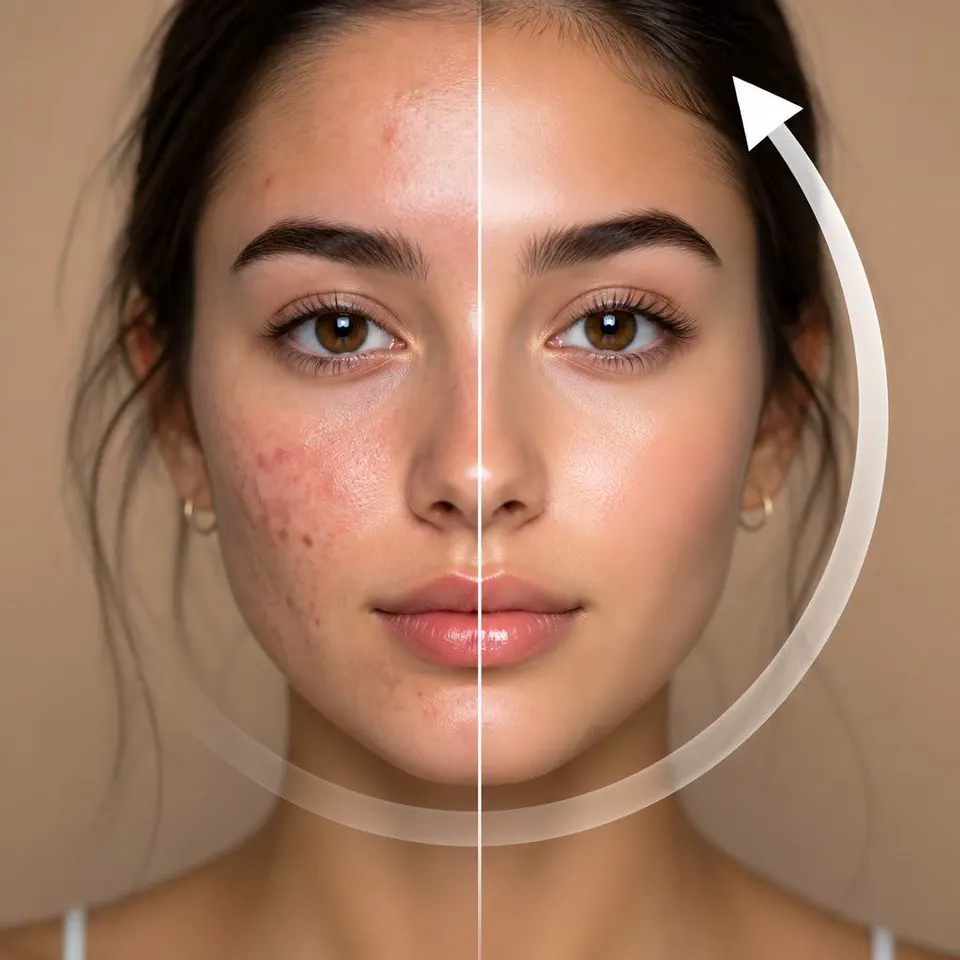
Why Acne Needs a Dermatologist — Not Just a Cosmetologist
Why acne should be treated by a dermatologist, not only a cosmetologist: diagnosis, severity, post-acne risk, and a personal plan in Fergana and Kokand.
Read more