
Types of Facial Cleansing: Mechanical, Ultrasonic and Carbon Peel — Which One Suits You

Types of facial cleansing: mechanical, ultrasonic, carbon peel and PRX-T33 — how they work, which skin they suit and when cleansing should wait. Radeski — Fergana.
Key takeaways
- Mechanical cleansing — for oily skin and many blackheads
- Ultrasonic cleansing — a gentle option for sensitive and dry skin
- Carbon peel — for pores and oily skin, no downtime
- With inflamed acne, rosacea or couperose — see a doctor first
- Usually every 1–2 months; SPF and moisturiser keep results longer
Facial cleansing is the most popular treatment in cosmetology. But “cleansing” is not one treatment: mechanical, ultrasonic, carbon peel and peel-based cleansing all act on the skin differently. The wrong choice can redden sensitive skin or worsen inflamed acne. Here are the types offered at Radeski and who each suits.
Mechanical facial cleansing
After steaming, the cosmetologist removes blackheads and clogged pores by hand with sterile instruments. At Radeski it is done with Innoaesthetics professional products.
- Suits: oily and combination skin, many blackheads (comedones).
- Note: redness may last a day or two; not for sensitive skin with visible vessels.
Ultrasonic facial cleansing
Ultrasonic waves gently clean the surface layer of the skin and lift dead cells, with almost no trauma.
- Suits: sensitive, dry or thin skin, light congestion, regular care.
- Note: it does not fully clear deep comedones — it can be combined with mechanical cleansing.
Carbon peel (Hollywood Spectra)
A carbon mask is applied and then treated with the Hollywood Spectra Q-switch laser. The carbon draws oil and debris out of the pores, and the laser renews the skin surface.
- Suits: enlarged pores, oily skin, dull complexion, mild acne marks.
- Note: almost no downtime; can be combined with “gold toning”.
Cleansing with PRX-T33
PRX-T33 is a peel that renews the skin without heavy flaking. It improves tone and glow.
- Suits: dull, uneven skin, small marks, when you want a quick result.
When cleansing is the wrong step
- Inflamed, pus-filled acne — mechanical cleansing can spread infection. A dermatologist treats it first.
- Rosacea and couperose — steaming and pressure make redness worse; other treatments are chosen.
- Cold sores, open wounds or skin infection — cleansing is postponed.
How often?
Cleansing is usually done every 1–2 months or as your skin needs. At home, gentle cleansing, moisturiser and daily SPF keep the result longer. Avoid make-up and hot saunas for 1–2 days afterwards.
Read more: Cosmetologist in Fergana, Ultrasonic facial cleansing, Hollywood Spectra and pores.
When to see a doctor
- You have many painful, pus-filled spots on your face
- Redness and swelling last more than 2–3 days after cleansing
- Your face is always red or thread veins are visible
- Dark spots remain after a cleansing
Frequently asked questions
Hashtags
#Facialcleansing#Ultrasoniccleansing#Carbonpeel#PRXT33#Cosmetologist#Fergana#RadeskiSkinClinic
Important note: This article is for general information only and does not replace a medical consultation.
Related clinic services
More helpful articles

Device Cosmetology: Which Device for Which Skin Problem
Device cosmetology: which device for which problem — hair removal, pigment, pores, redness, scars, papillomas. Radeski devices, Fergana.
Read more
Pore Refinement with Hollywood Spectra — Radeski Skin Clinic
Pore refinement and facial brightening: Hollywood Spectra laser protocols, steps, and course at Radeski Skin Clinic.
Read more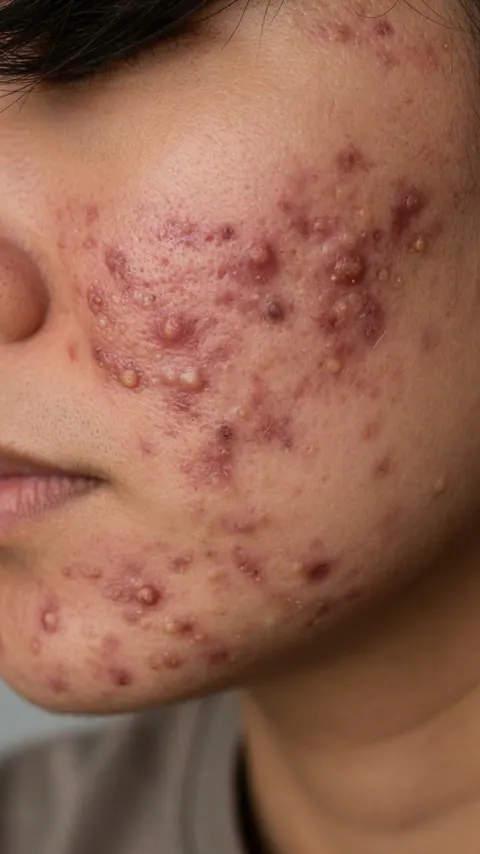
Adult Acne: Causes and Modern Treatment | Radeski Skin Clinic
Adult acne: causes, diagnosis, and modern treatment at Radeski Skin Clinic in Fergana and Kokand — medication, laser, IPL, and personalized care.
Read more