
Hair Loss in Women: Causes, Tests and Treatment — Trichologist Advice
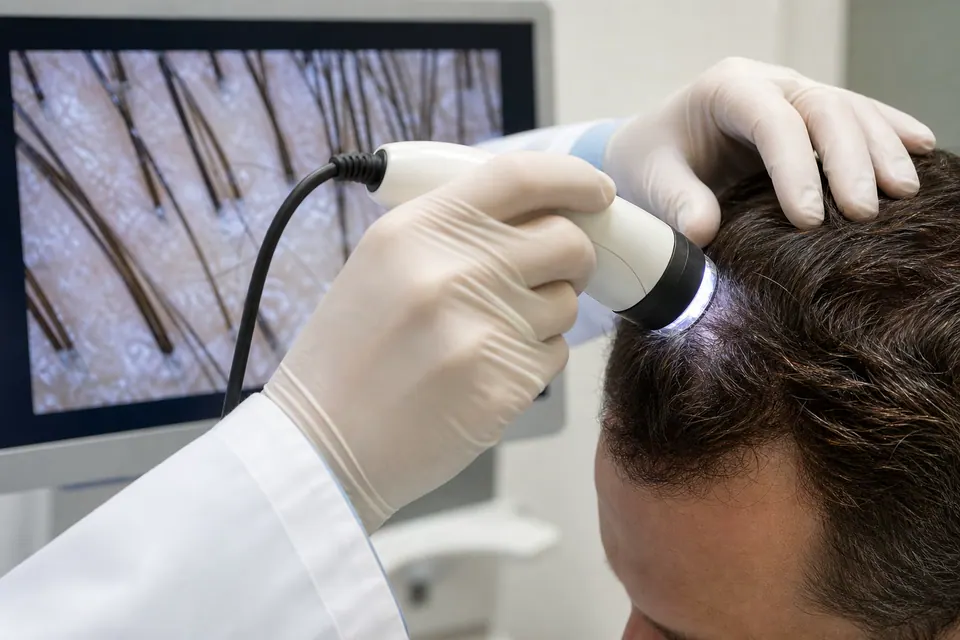
Hair loss in women: after childbirth and telogen effluvium, iron deficiency, thyroid, female pattern thinning. Trichoscopy, tests and treatment. Trichologists in Fergana and Kokand.
Key takeaways
- Losing up to 50–100 hairs a day is normal
- Many causes: childbirth, stress, diets, iron deficiency, thyroid, genetics
- Trichoscopy and blood tests identify the type and cause of hair loss
- Treatment depends on the cause: fixing it, topical products, PRP, thulium laser
- Results are judged after 2–3 months — hair grows slowly
Hair loss is the most common reason women see a trichologist. Thinning hair affects mood and confidence, so many first try "anti-hair-loss" shampoos and vitamins. But women lose hair for many different reasons, and effective treatment starts with finding the cause.
Normal and excessive shedding
Losing up to 50–100 hairs a day is normal. More: normal versus pathological hair loss. Reasons for concern:
- far more hair on your brush and pillow;
- a widening parting, with the scalp showing through;
- a thinner ponytail or plait;
- round bald patches.
Main causes of hair loss in women
- Telogen effluvium — 2–3 months after severe stress, an illness with high fever, surgery, a strict diet or childbirth, hair suddenly sheds heavily. It usually recovers in 6–12 months once the cause is dealt with.
- Iron deficiency and anaemia — common in women, especially with heavy periods.
- Thyroid disease — too much or too little thyroid hormone shows in the hair.
- Female pattern (androgenetic) thinning — gradual thinning on the crown and along the parting; linked to genetics and hormones (for example polycystic ovary syndrome).
- Traction alopecia — thinning at the hairline and temples from tight ponytails, buns and braids.
- Alopecia areata — round bald patches. More: alopecia areata.
- Harsh hair care — frequent dyeing, bleaching, flat irons and hot hairdryers.
How does a trichologist investigate?
- History — when the shedding started, childbirth, illnesses, diets, medicines, menstrual cycle;
- Trichoscopy — examining the scalp and hair roots under digital magnification; it identifies the type of hair loss;
- Blood tests — iron stores, thyroid hormones and others, as the doctor advises. More: which tests to take for hair loss;
- when needed — a gynaecologist or endocrinologist.
How is it treated?
Treatment depends on the cause and usually combines several approaches:
- dealing with the cause — replacing iron, treating the thyroid, correcting the diet;
- topical products — hair growth support chosen by the doctor;
- PRP (plasma therapy) — injections prepared from your own blood plasma;
- thulium laser — a device treatment that stimulates hair follicles;
- gentle hair care — mild shampoo, less heat, loose hairstyles.
Results take time: hair grows about 1 cm a month, so the first changes are assessed after 2–3 months.
Hair loss after childbirth
Heavy shedding 2–4 months after giving birth is very common and usually temporary; hair typically recovers within a year. But if shedding goes on or the hair stays thin, iron levels and the thyroid should be checked.
Trichologist visits in Fergana and Kokand
At the Radeski Skin Clinic trichology centre a trichologist performs trichoscopy, orders the right tests, identifies the type of hair loss and builds a treatment plan.
The sooner hair loss is investigated, the better the chances of saving the follicles and restoring thickness.
When to see a doctor
- Shedding has suddenly increased
- Your parting is wider and the scalp shows through
- Round bald patches appear
- Shedding continues a year after childbirth
- Hair loss comes with tiredness, irregular periods or weight change
Frequently asked questions
Hashtags
#Hairloss#Hairlossinwomen#Trichologist#Trichoscopy#Postpartumhairloss#Fergana#Kokand#RadeskiSkinClinic
Important note: This article is for general information only and does not replace a medical consultation.
Related clinic services
Videos on this topic
More helpful articles
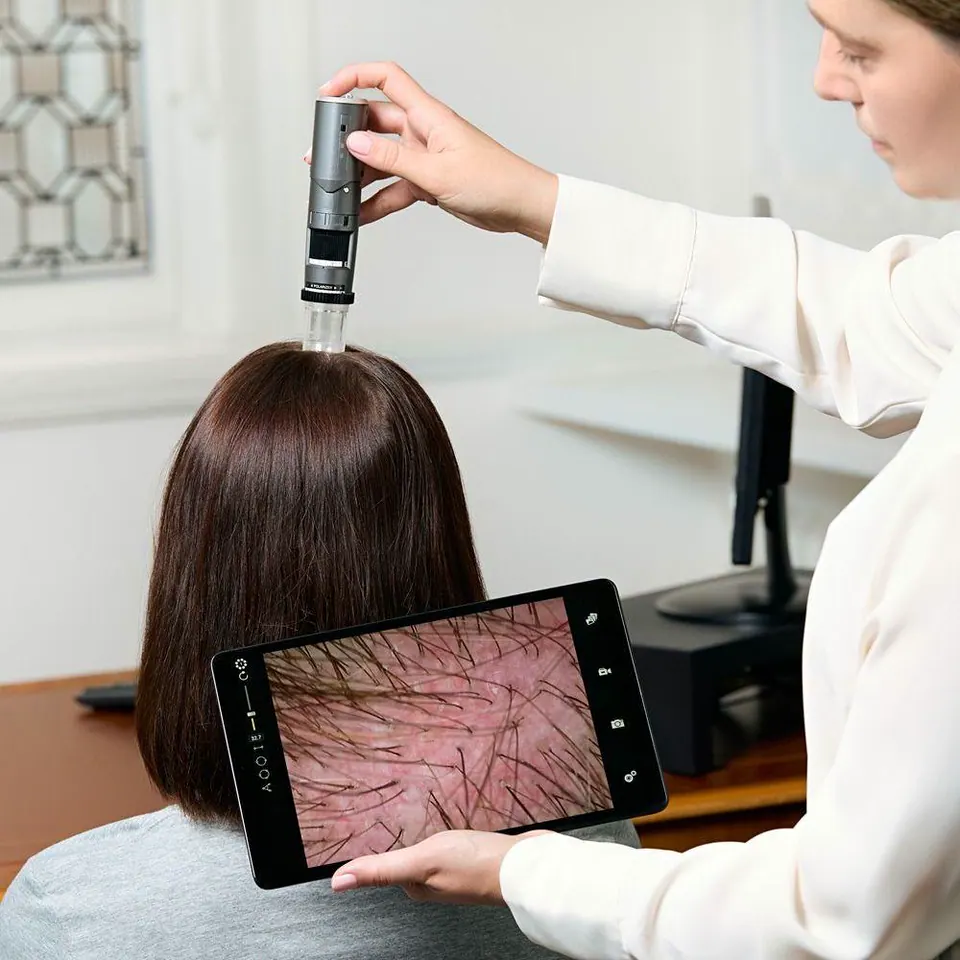
Trichologist and Trichoscopy: Modern Diagnosis of Hair-Loss Causes
Trichologist and trichoscopy: how modern scalp imaging finds the cause of hair loss and guides treatment at Radeski Skin Clinic in Fergana and Kokand.
Read more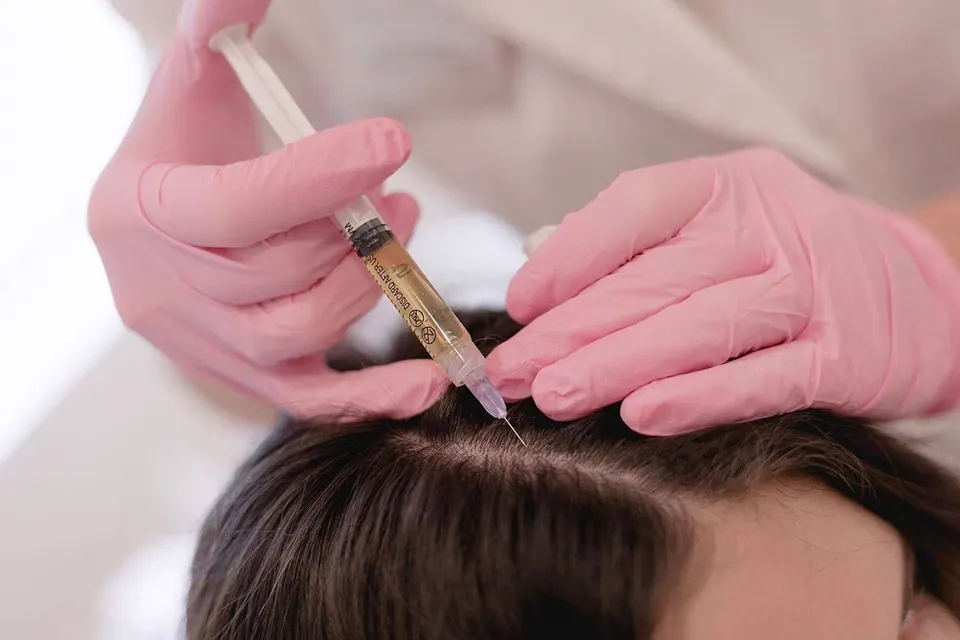
PRP Therapy for Hair: Who It Suits and What Results to Expect
PRP hair therapy in Fergana and Kokand: who it may suit, how it works, and how Radeski Skin Clinic builds an individual plan with a trichologist.
Read more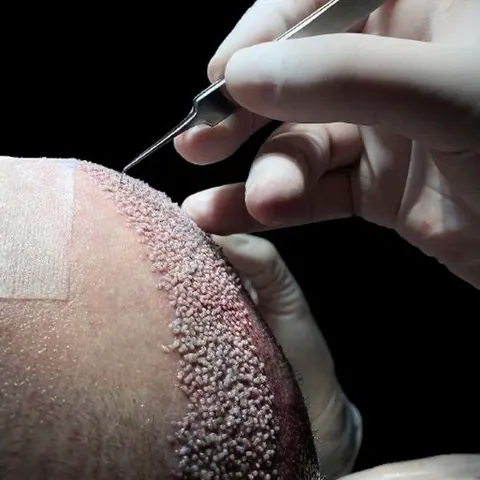
When Should Hair Transplantation Be Avoided? Contraindications Every Patient Should Know
When hair transplantation is contraindicated: what to check before surgery in Fergana and Kokand — a practical Radeski Skin Clinic guide.
Read more