
Scalp Psoriasis: Signs, How It Differs from Dandruff and Treatment — Does Hair Fall Out?
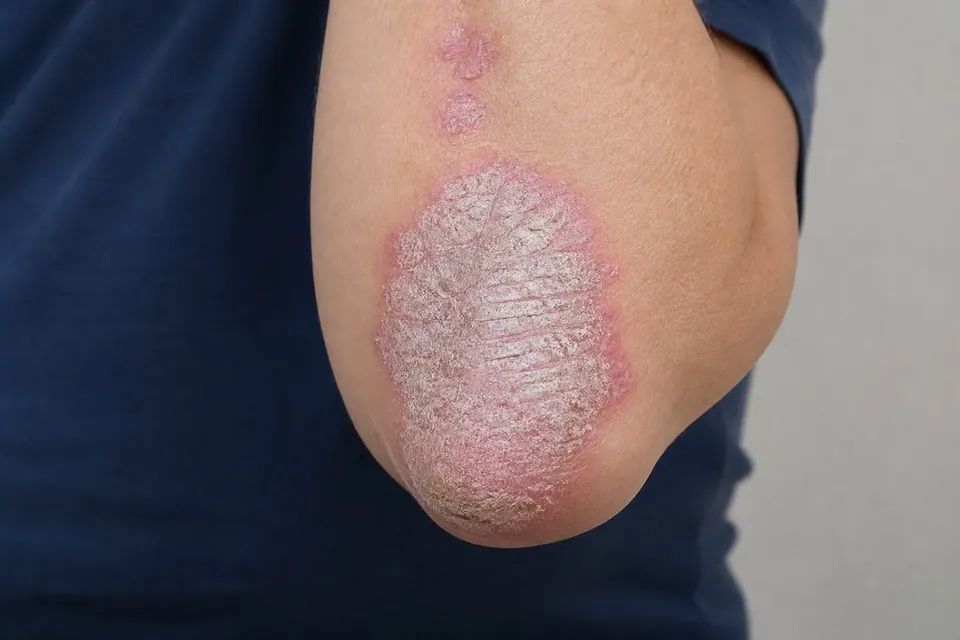
Scalp psoriasis: signs, how it differs from dandruff and seborrheic dermatitis, hair shedding, why winter makes it worse, what not to do at home and treatment. Dermatologists in Fergana and Kokand.
Key takeaways
- The scalp is the most common site of psoriasis, and it is often mistaken for dandruff
- Thick silvery scale and sharp-edged plaques spreading past the hairline are the key signs
- Psoriasis is not contagious; hair may shed temporarily and usually regrows once inflammation settles
- Picking off scales, kerosene and folk remedies, and steroid lotions without a prescription do harm
- A dermatologist chooses treatment: medicated shampoos, phototherapy or, if severe, systemic therapy
Scalp psoriasis is the most common place for psoriasis to appear: in many patients the disease starts on the scalp or shows up there alongside other areas. It is often mistaken for ordinary dandruff, and people switch shampoos for years. In fact it is a chronic inflammatory condition that needs an accurate diagnosis and treatment chosen by a doctor. For psoriasis in general: psoriasis: signs, diagnosis and treatment.
What is scalp psoriasis?
Psoriasis is a chronic condition driven by the immune system: skin cells renew much faster than normal and build up into a thick layer on the surface. On the scalp, hair, oil glands and constant friction (combs, hats) can make it more stubborn than elsewhere. Inherited tendency plays an important role. In brief: psoriasis.
Signs
- thick silvery-white scales — layered, stuck firmly to the hair roots;
- red plaques with sharp edges — clearly separated from healthy skin;
- spreading past the hairline — onto the forehead, temples, behind the ears and the nape;
- itching, sometimes burning and a feeling of tightness;
- tiny pinpoint bleeding when scales are removed.
There may be changes on the elbows, knees or nails at the same time — this helps with the diagnosis.
How it differs from dandruff, seborrheic dermatitis and fungus
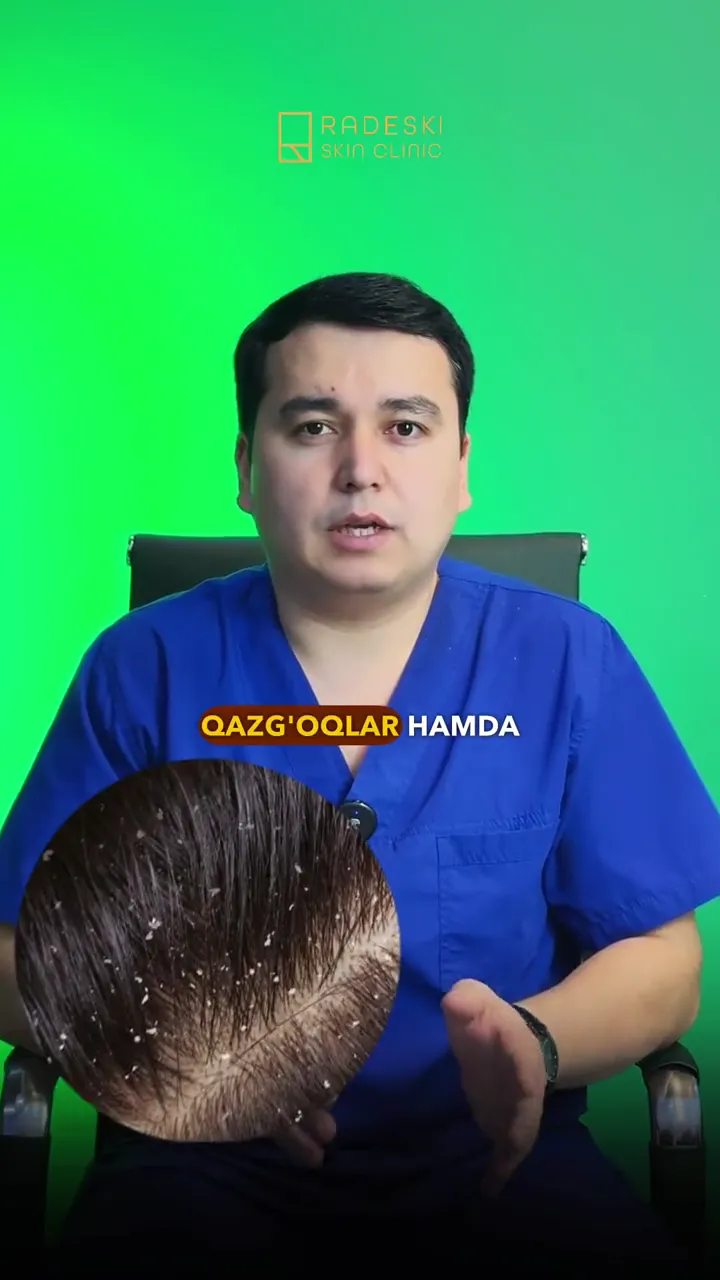
- Ordinary dandruff — small, light white flakes, almost no redness, does not go past the hairline.
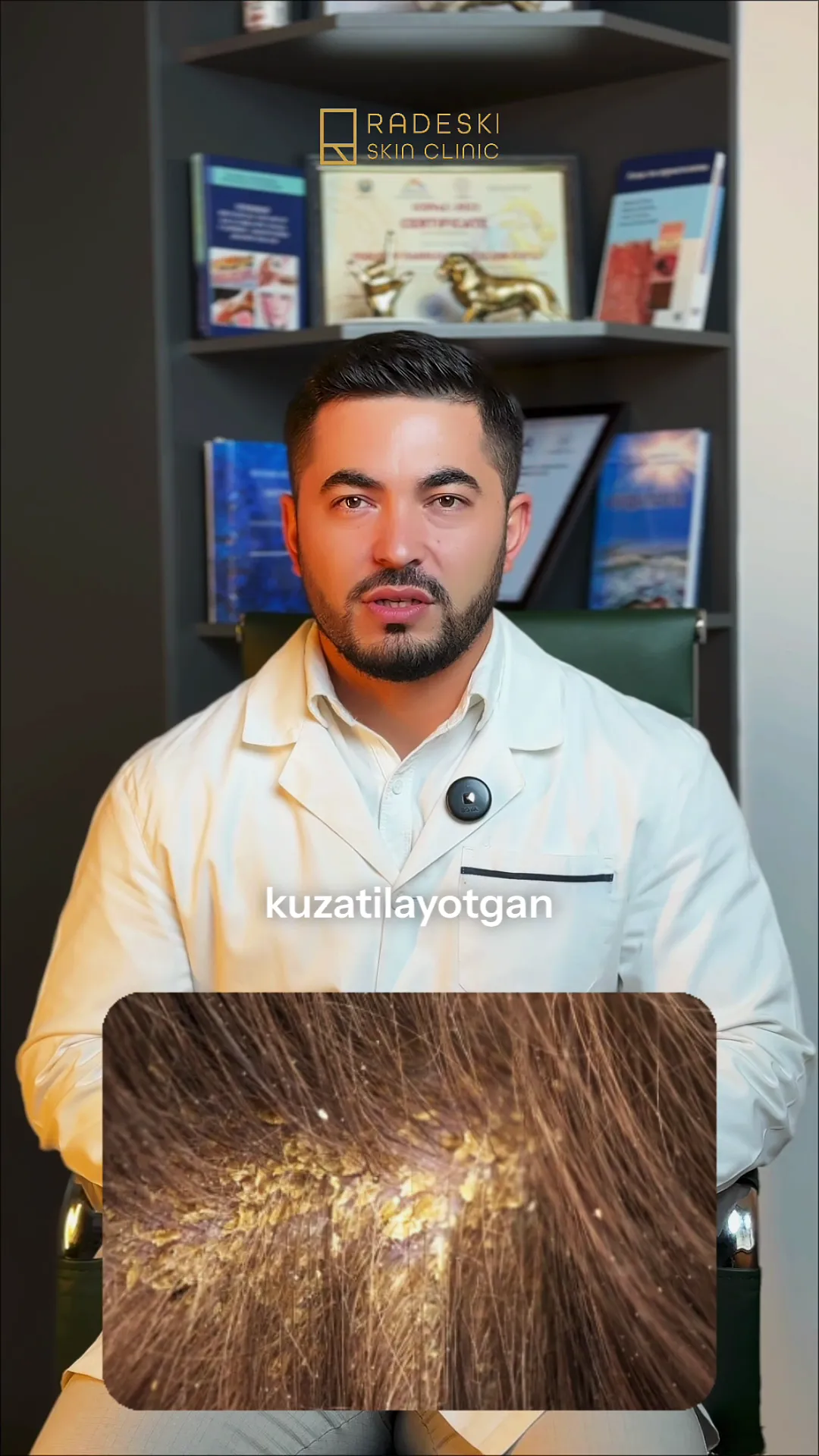
- Seborrheic dermatitis — greasy, yellowish scale with blurred edges; often also on the eyebrows, sides of the nose and around the ears. More: seborrheic dermatitis.
- Scalp fungus — more common in children; hairs break off in round patches, and it is contagious. On fungal infections: skin fungus.
- Psoriasis — thick, dry silvery scale on a sharply outlined red plaque.
Sometimes signs of psoriasis and seborrheic dermatitis overlap, so the doctor makes the distinction.
Does hair fall out?
Temporary hair shedding is possible during strong inflammation. Scratching, forcibly picking off scales and harsh combing make it worse — the hair is pulled out together with the scale. Usually hair grows back once the inflammation settles, but how fast it recovers differs from person to person and depends on how severe the inflammation is and on treatment — the doctor follows this over time.
Why does it get worse in winter and with stress?
- winter air is dry and there is little sunlight — the skin dries out;
- warm hats, a hot hair-dryer and heated rooms dry the skin further;
- colds and other infections can trigger a flare;
- stress, poor sleep, smoking and alcohol are well-known psoriasis triggers.
Is it contagious?
No. Psoriasis does not spread through combs, towels, hats or close contact. It helps to explain this to family and to your hairdresser.
When to see a doctor
- scaling and redness spread and go past the hairline;
- itching disturbs sleep or hair is noticeably shedding;
- plaques crack, weep, ooze pus or hurt — this may be a sign of infection.
Seek help without delay if the rash spreads quickly over the whole body, the skin turns red all over with fever and chills, or joints become swollen and painful.
What not to do at home
- forcibly pick or comb off scales with nails or a comb;
- dry your hair with a very hot hair-dryer;
- apply kerosene, motor oil or folk mixtures — risk of burns and infection;
- use steroid lotions or creams without a prescription — brief relief may be followed by a strong flare and skin thinning;
- dye your hair often with harsh chemical dyes during a flare.
Diagnosis at the clinic
The dermatologist examines the scalp, the rest of the skin and the nails, and asks about the joints. The scalp is looked at under magnification with a dermatoscope or trichoscope: the typical blood-vessel pattern of psoriasis helps tell it apart from seborrheic dermatitis and fungus. About this method: trichologist and trichoscopy. If needed, a fungal test, blood tests and, rarely, a biopsy are done.
Treatment
The doctor chooses treatment based on severity, location and general health:
- special medicated shampoos and scalp products — soften scale and reduce inflammation; which ones and for how long is decided by the doctor;
- phototherapy — limited on the scalp because hair blocks the light, but targeted devices exist for this; the doctor decides whether it is indicated;
- for moderate to severe psoriasis — systemic or biological therapy; the decision is made by the doctor after an assessment. More: immunobiological therapy.
Psoriasis is a chronic condition, but with the right treatment a long calm period is often achievable.
Daily care
- wash your hair in warm (not hot) water with gentle movements;
- soften scales the way your doctor advised and let them come off on their own;
- do not scratch, and keep your nails short;
- use a soft brush and do not tie your hair back tightly;
- manage stress, get enough sleep, avoid smoking and alcohol;
- humidify the air indoors in winter.
Scalp psoriasis treatment in Fergana and Kokand
At Radeski Skin Clinic a dermatologist and trichologist examine the scalp, tell psoriasis apart from dandruff, seborrheic dermatitis and fungus, and build a treatment plan.
- Psoriasis treatment in Fergana and in Kokand;
- Trichologist in Fergana and in Kokand;
- Dermatologist in Fergana and in Kokand;
- Immunobiological therapy and trichoscopy.
If "dandruff" will not go away and your scalp is red and itchy, see a dermatologist before trying yet another shampoo.
When to see a doctor
- Scaling and redness spread past the hairline
- Itching disturbs your sleep
- Hair starts shedding noticeably
- Plaques crack, weep, ooze pus or hurt
- The rash spreads over the whole body, with fever or swollen painful joints — without delay
Frequently asked questions
Hashtags
#Scalppsoriasis#Psoriasis#Dandruff#Hairloss#Trichologist#Fergana#Kokand#RadeskiSkinClinic
Important note: This article is for general information only and does not replace a medical consultation.
Related clinic services
Videos on this topic
More helpful articles
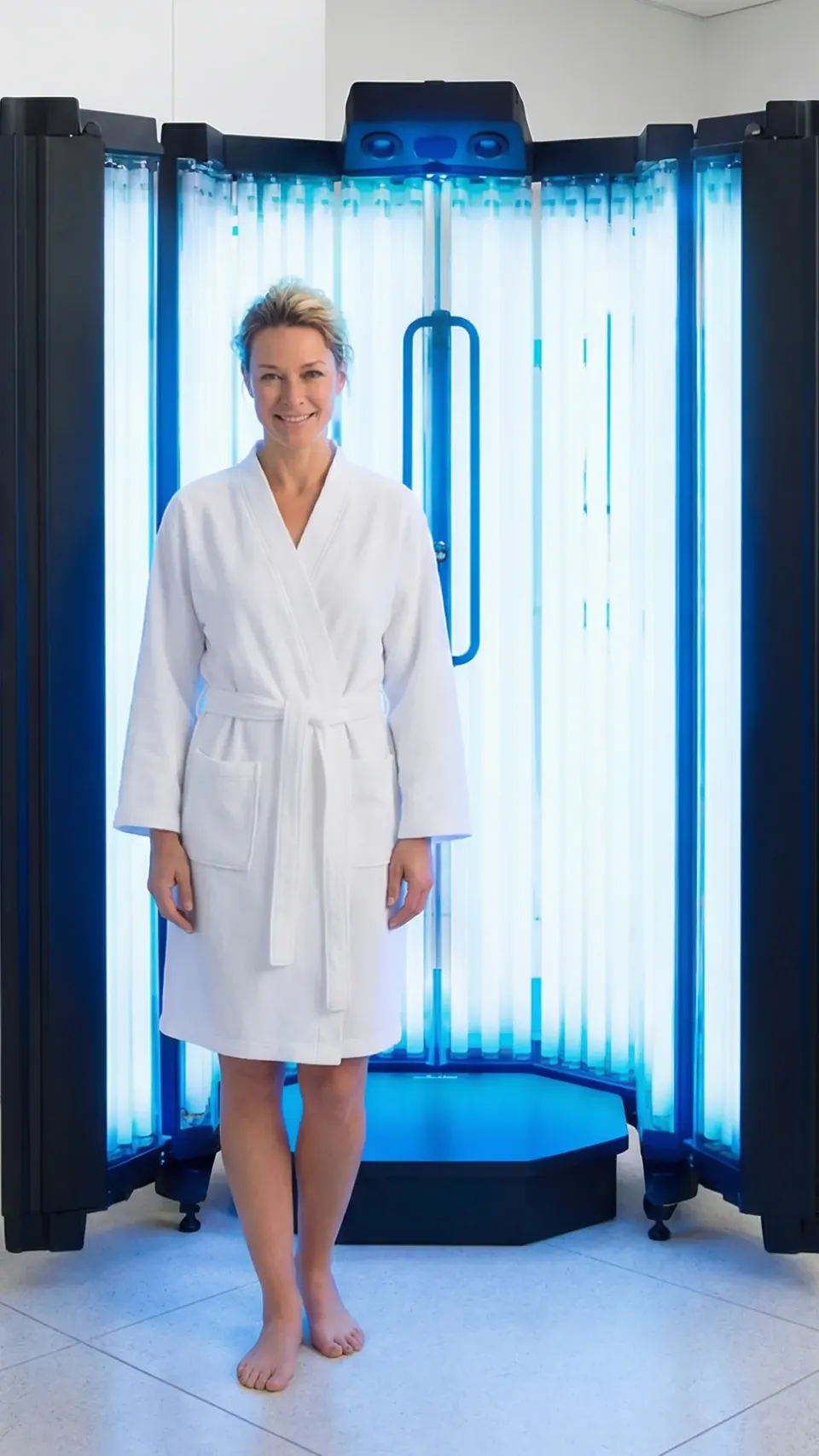
Psoriasis: Symptoms, Diagnosis and Treatment
How psoriasis is diagnosed and treated: main signs, dermatoscopy and severity scoring, topical therapy, Daavlin narrowband UVB 311 nm, excimer laser and biologic therapy. Fergana and Kokand.
Read more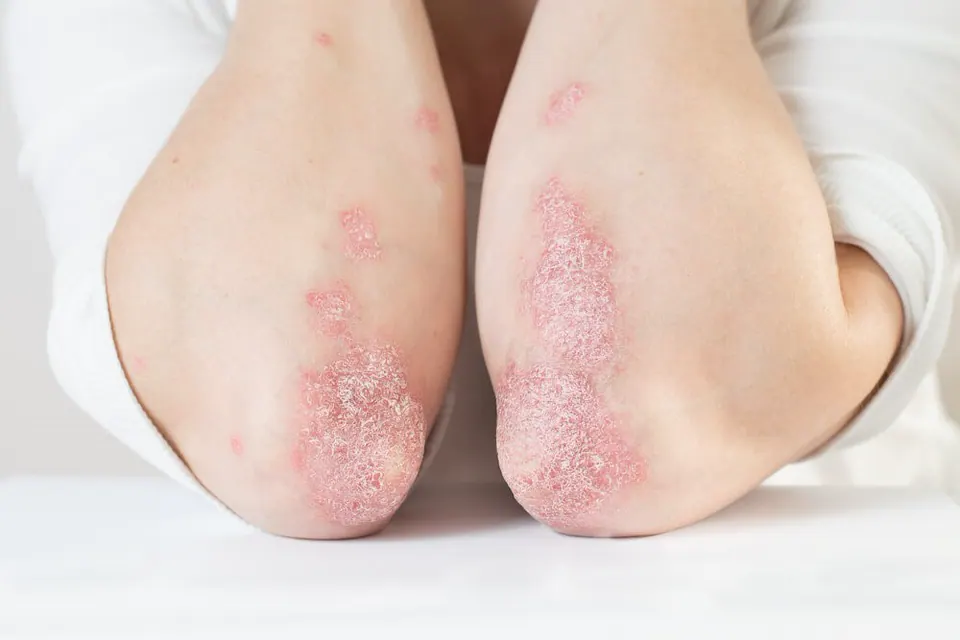
Daavlin Phototherapy for Psoriasis in Kokand | Radeski Skin Clinic
Psoriasis treatment in Kokand with Daavlin narrow-band UVB 311–312 nm: who may benefit, how the course works, advantages, and safety precautions.
Read more
Itchy Scalp: 7 Causes, How to Tell Them Apart and When to See a Trichologist
Why your scalp itches: seborrheic dermatitis and dandruff, psoriasis, hair-dye allergy, fungus, lice and dryness. How to tell the cause, what to do at home and when to see a trichologist.
Read more