
Fungal Skin Infections: Feet, Body and Groin — Signs, Testing and Treatment

Fungal skin infections: feet, body, groin, scalp, pityriasis versicolor and candida. Signs, the skin scraping test, the steroid cream mistake, treatment and prevention. Dermatologists in Fergana and Kokand.
Key takeaways
- Fungal skin infections itch, spread and can be passed on
- A skin scraping confirms the diagnosis and rules out eczema and psoriasis
- Steroid creams mask fungus and make it worse
- Treatment continues after the skin clears, for as long as the doctor says
- Family members and pets are a common source
A fungal skin infection (tinea, mycosis) is caused by fungi. It appears on the feet, body, groin, scalp and in skin folds, itches and can spread to other people. It responds well to treatment — but only with the right diagnosis: it is often mistaken for eczema or allergy and masked with the wrong cream.
Types of fungal skin infection
- Athlete's foot — itching between the toes, cracks, flaking, white soggy skin and odour. It often comes with nail fungus.
- Ringworm of the body — ring-shaped patches with a red, raised edge and a paler centre; they itch and slowly grow.
- Jock itch — itchy red-brown patches in the groin and inner thighs, more common in men.
- Scalp ringworm — mostly in children: round, flaky patches with broken hairs. Often caught from cats and dogs.
- Pityriasis versicolor — small light or dark brown spots on the chest, shoulders and neck, most visible after a tan. It is caused by Malassezia yeast, which normally lives on the skin, and it is not contagious.
- Candida — moist redness under the breasts, in belly folds and between the fingers; more common with diabetes and excess weight.
Where does the fungus come from?
- walking barefoot in pools, saunas, bathhouses and gyms;
- shared slippers, towels, combs and clothing;
- infected animals — cats, dogs, rabbits;
- family members;
- sweating, tight synthetic clothing and damp shoes create ideal conditions for fungus.
How is it diagnosed?
The dermatologist examines the skin and, when needed, performs:
- a skin scraping — flakes of skin are examined under the microscope for fungus;
- a Wood's lamp exam — some fungi glow under its light.
It is quick and painless, and it matters: it tells fungus apart from eczema, psoriasis, seborrheic dermatitis and other rashes.
The most common mistake
A steroid or "combination" cream briefly reduces the redness and itch of a fungal patch, but it does not kill the fungus — which keeps spreading. The patch grows, changes appearance and becomes harder to diagnose. So do not put steroid cream on any itchy patch on your own.
How is it treated?
- Antifungal creams and solutions — usually for 2–4 weeks; continued after the skin clears for as long as the doctor says, or the fungus returns.
- Tablets — for scalp ringworm and widespread or recurring infections; only on a doctor's prescription.
- Treating every site together — if both feet and nails are affected, both are treated.
- Removing the source — family members are checked, pets see a vet, shoes and clothes are treated.
Prevention
- Wash your feet daily and dry between the toes.
- Wear cotton socks and clothing; dry and alternate your shoes.
- Wear your own slippers in pools, saunas and gyms.
- Use your own towel, comb and clothes.
- If a pet has bald patches, take it to a vet.
- With diabetes, keep blood sugar under control and skin folds dry.
Fungal skin infection treatment in Fergana and Kokand
At Radeski Skin Clinic a dermatologist examines the rash, orders a scraping when needed, tells fungus apart from other conditions and builds a treatment plan. Foot and nail fungus are treated by the podiatrists of the nail and foot clinic.
- Dermatologist in Fergana and in Kokand;
- Nail fungus treatment in Fergana and in Kokand;
- similar complaints: Itchy skin: causes.
Fungus is much easier to treat early: do not put off a visit if a patch itches and keeps growing.
When to see a doctor
- An itchy patch grows or new patches appear
- A child has a round patch with hair loss
- Cracks and sogginess between the toes do not clear
- A patch changed or grew after a steroid cream
- You have diabetes and redness in skin folds
Frequently asked questions
Hashtags
#Fungalskininfection#Tinea#Athletesfoot#Ringworm#Dermatologist#Fergana#Kokand#RadeskiSkinClinic
Important note: This article is for general information only and does not replace a medical consultation.
Related clinic services
More helpful articles
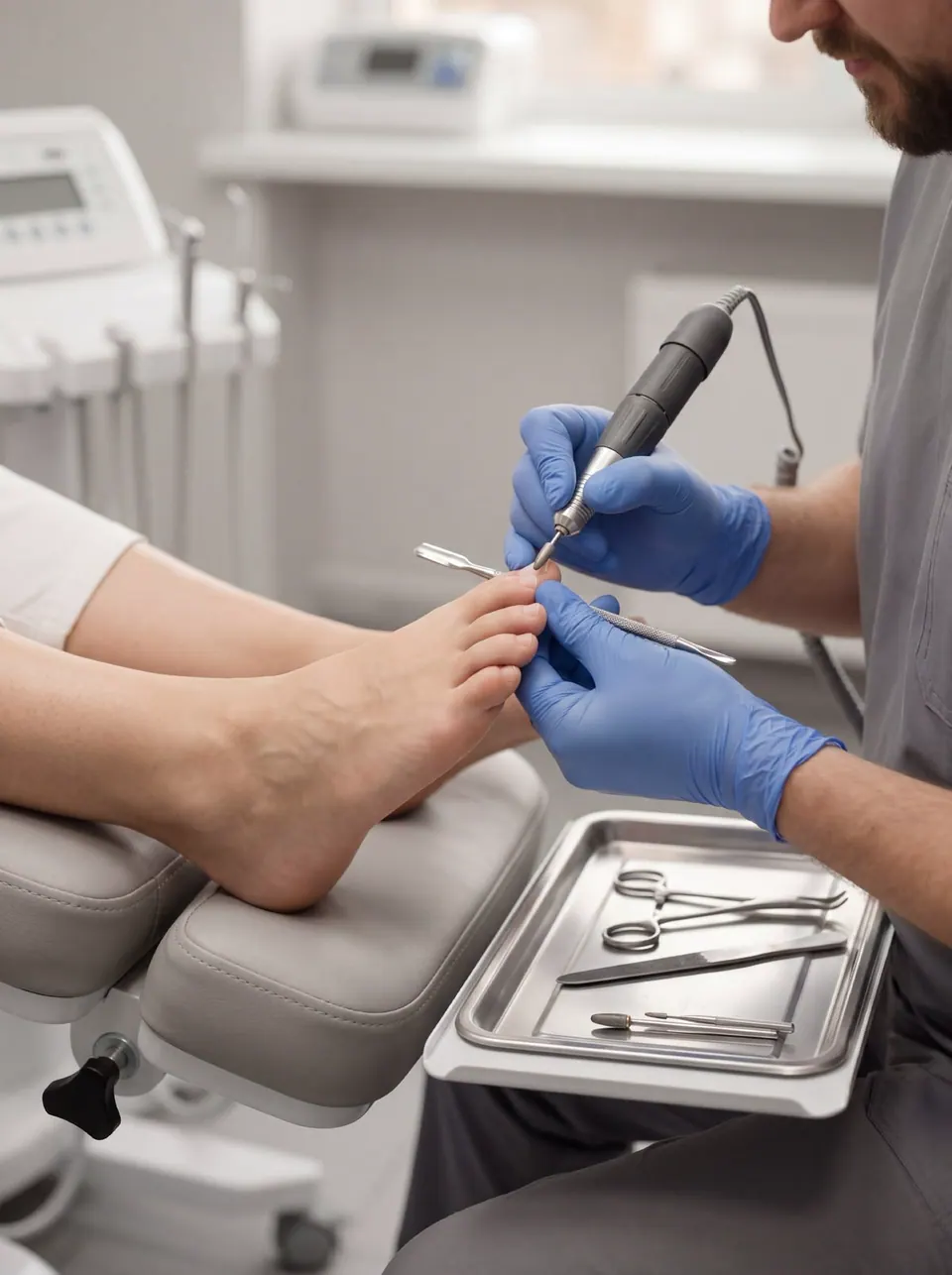
Nail Fungus (Onychomycosis): Signs, Causes and Treatment — Podiatrist Advice
Nail fungus (onychomycosis): yellow, thick, crumbling nails. Signs, lab confirmation, podiatric nail care and how long treatment takes. Podiatrists and dermatologists in Fergana and Kokand.
Read more
Scabies: Night-Time Itching, How It Spreads and Treating the Whole Family
Scabies: itching that is worse at night, how it spreads, signs, dermoscopy, treating the whole household on one day and cleaning bedding. Dermatovenereologists in Fergana and Kokand.
Read more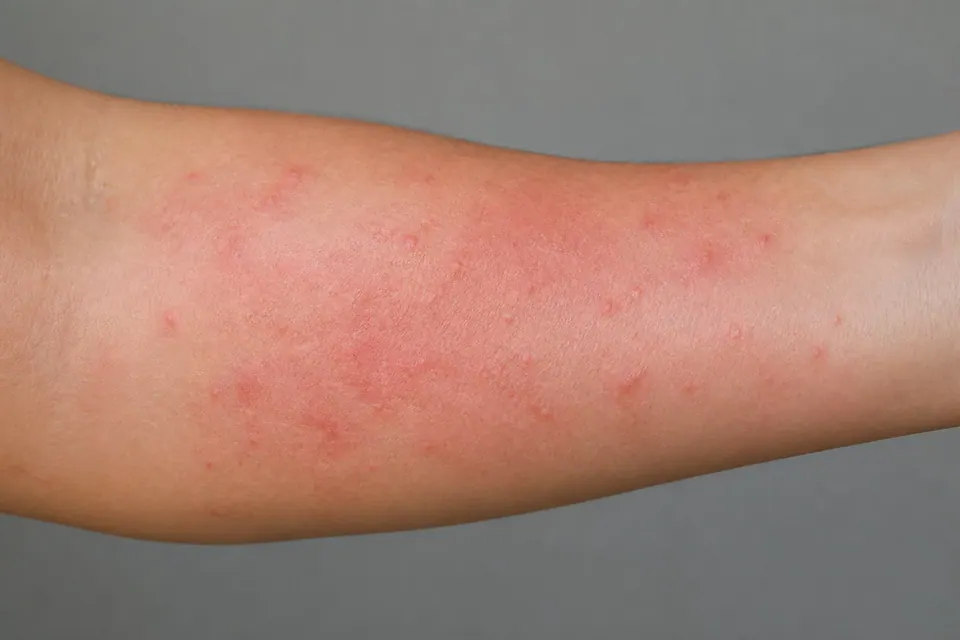
Skin Allergy and Hives: Symptoms, Causes and Treatment — When to Seek Urgent Help
Skin allergy and hives: itchy welts, redness and swelling. Causes, acute and chronic hives, when to call an ambulance and how it is treated. Dermatologists in Fergana and Kokand.
Read more