
Cold Sores (Herpes): Why They Come Back and How to Treat Them Fast

Cold sores (herpes): why they come back, the stages, how herpes spreads, antiviral treatment and when to see a doctor urgently. Dermatovenereologists in Fergana and Kokand.
Key takeaways
- The herpes virus stays in the body for life and reactivates when immunity dips
- Treatment works best at the first signs — itching and tingling
- Very contagious at the blister and sore stages — do not kiss babies
- Sores near the eye and a painful band-like rash need a doctor urgently
- More than 6 recurrences a year call for a prevention plan
Herpes is caused by the herpes simplex virus. Its most common form is painful blisters on or around the lip, known as cold sores or fever blisters. Most of the world's population carries the virus, but not everyone gets sores. In autumn and winter, during cold and flu season, herpes comes back especially often.
How does herpes work?
After the first infection the virus never leaves the body — it lies dormant in nerve ganglia. When immunity dips, it reactivates and causes sores in the same place again. Triggers include:
- colds, flu and fever;
- getting chilled or, the opposite, strong sun;
- stress, fatigue, lack of sleep;
- periods;
- lip injury and dental work;
- illnesses and medicines that lower immunity.
Stages of a cold sore
- Warning stage — itching, burning or tingling at the edge of the lip (a few hours to a day).
- Blisters — a cluster of small, painful fluid-filled blisters.
- Weeping — the blisters burst into a raw sore; this is the most contagious stage.
- Crust — the sore crusts over and usually heals without a mark in 7–10 days.
Is herpes contagious?
Yes, especially at the blister and sore stages. It spreads through kissing, shared cups and cutlery, towels, lipstick and hands. While you have a sore:
- do not kiss or share cups and cutlery;
- do not touch the sore, and wash your hands if you do — spreading the virus to the eye is dangerous;
- do not pop blisters or pick the crust;
- do not kiss newborns — herpes is very dangerous for them.
How is herpes treated?
- Antiviral medicines — cream or tablets, prescribed by the doctor. They work best when started at the first signs, during the itching and tingling stage.
- Products that ease pain and inflammation — as the doctor advises.
- A soothing lip balm at the crust stage.
If herpes returns many times a year (more than 6) or sores are slow to heal, the doctor looks at triggers and immunity and advises on preventing recurrences.
In winter, dry, cracked lips can also trigger herpes: lip care is covered in our winter skin care article.
When to see a doctor urgently
- sores near the eye, or the eye is red, painful or vision has worsened — see an ophthalmologist urgently;
- someone with atopic dermatitis or eczema develops widespread painful blisters;
- painful blisters appear in a band on one side of the body — this may be shingles, which is best treated within the first 72 hours;
- high fever or severe weakness;
- sores during pregnancy or in a baby;
- anyone with weakened immunity.
Genital herpes is examined and treated by a dermatovenereologist — visits are confidential.
Herpes treatment in Fergana and Kokand
At Radeski Skin Clinic a dermatovenereologist examines the sores, tells herpes apart from other conditions, prescribes treatment and, for frequent recurrences, plans how to prevent them.
The earlier herpes is treated, the smaller the sore and the faster it heals: act at the first tingle.
When to see a doctor
- Sores near the eye or eye pain
- A widespread rash in someone with atopic dermatitis
- Painful blisters in a band on one side of the body
- Herpes returns more than 6 times a year
- Sores take longer than 10 days to heal
Frequently asked questions
Hashtags
#Herpes#Coldsores#Shingles#Viralinfection#Dermatovenereologist#Fergana#Kokand#RadeskiSkinClinic
Important note: This article is for general information only and does not replace a medical consultation.
Related clinic services
More helpful articles
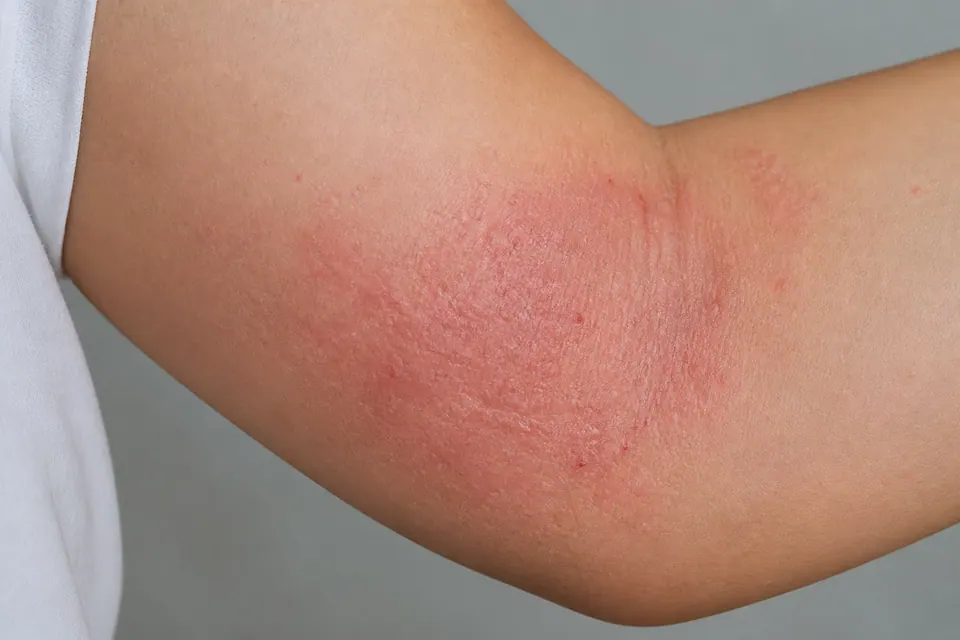
Eczema: Types, Causes and Treatment — Red, Weeping and Itchy Skin
Eczema: redness, blisters, weeping and intense itching. Types, causes, how it differs from psoriasis and fungus, treatment and winter hand care. Dermatologists in Fergana and Kokand.
Read more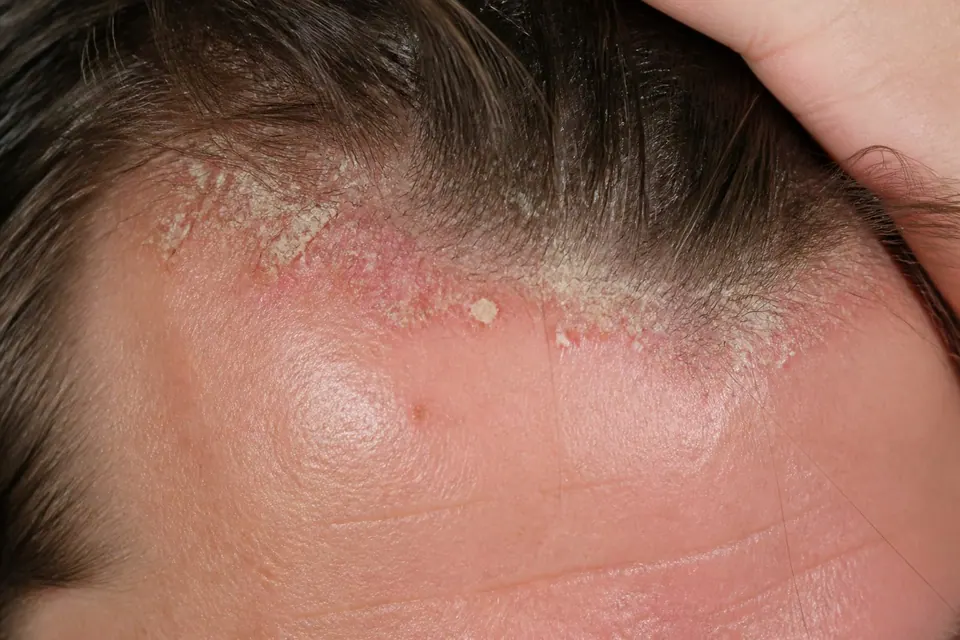
Seborrheic Dermatitis: Causes, Symptoms and Treatment — Dandruff and Facial Redness
Seborrheic dermatitis: dandruff, redness and flaking on the face and brows. Causes, how it differs from psoriasis and fungus, treatment and home care. Dermatology visits in Fergana and Kokand.
Read more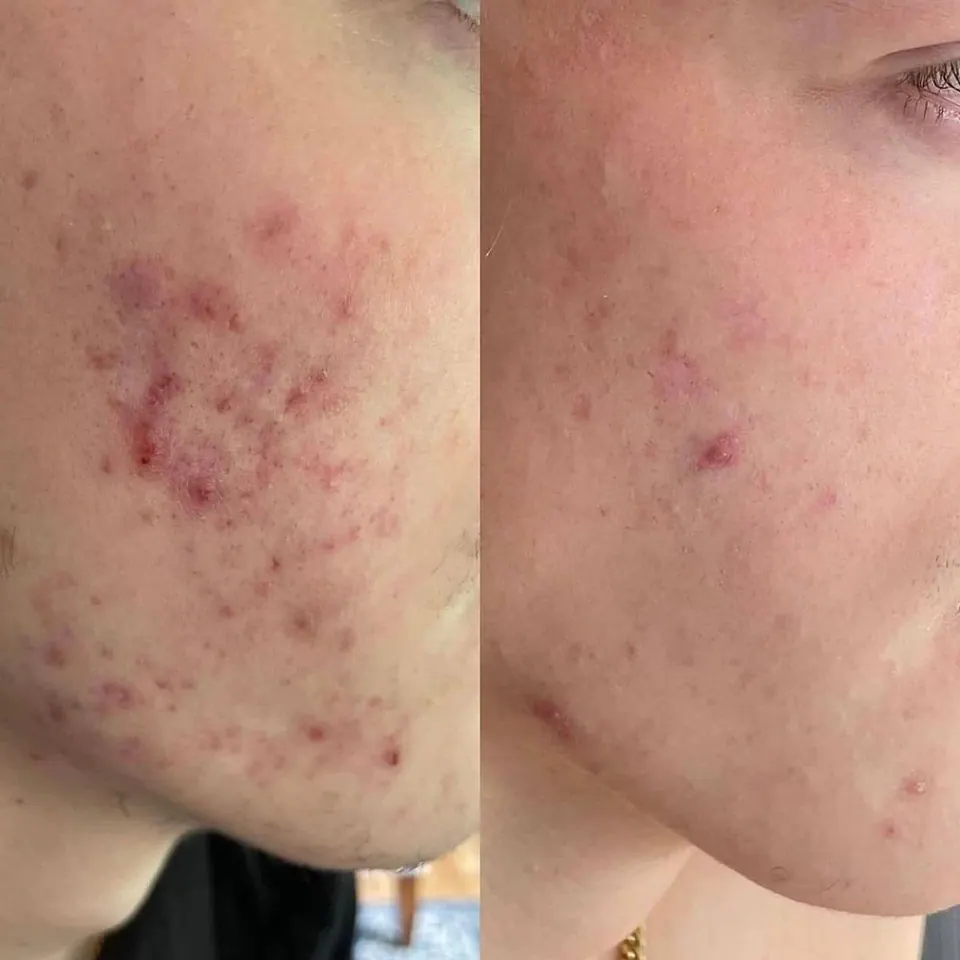
Adult Acne: Causes, Treatment and When to See a Dermatologist
Why acne appears in adults, how it is treated and when to see a dermatologist. Dermatology visits at Radeski Skin Clinic in Fergana and Kokand.
Read more