
IPL Phototherapy at Radeski Skin Clinic — Redness, Pigment, and Vascular Changes
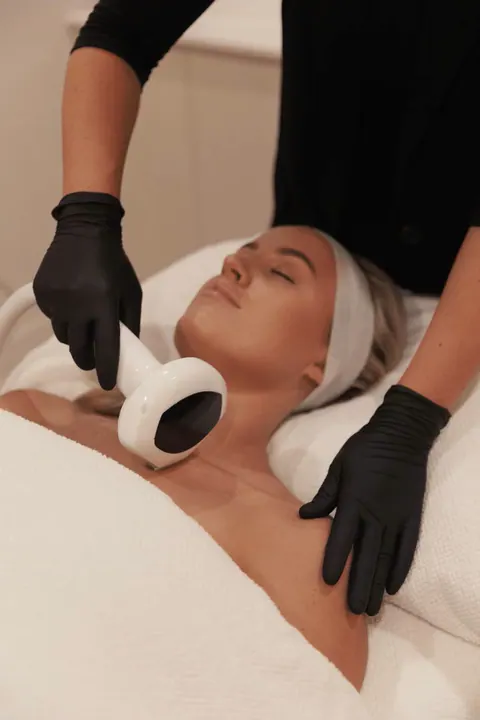
IPL phototherapy at Radeski Skin Clinic: a medical approach to redness, pigmentation, and vascular changes — indications, procedure steps, course length, and contraindications.
Key takeaways
- IPL uses broad-spectrum pulsed light acting on melanin and hemoglobin in the skin
- May help couperose, redness, pigment spots, and photoaging signs — after dermatologist assessment
- Not every pigmented lesion is suitable for IPL; suspicious spots need separate evaluation
- Session count is individual; SPF and medical aftercare are essential after IPL
IPL Phototherapy at Radeski Skin Clinic
IPL (Intense Pulsed Light) is a modern technology used in dermatology and aesthetic medicine to improve vascular and pigment changes, facial redness, sun-related skin damage, and several other cosmetic concerns.
At Radeski Skin Clinic, IPL is performed on up-to-date equipment after a dermatologist consultation. The physician assesses the skin, confirms indications, and selects individual treatment parameters.
What is IPL?
IPL delivers intense light pulses within a defined spectrum to the skin. The light is absorbed by targets such as melanin and hemoglobin, which allows treatment of pigment-related and vascular changes.
Unlike a laser that usually works at one wavelength, IPL uses a broad spectrum and can address multiple signs of photo-damage within one treatment plan.
Which skin concerns can IPL help with?
IPL phototherapy may be used to improve:
- facial redness and visible vessels;
- couperose;
- spider veins;
- pigment spots;
- freckles and signs of photoaging;
- uneven skin tone;
- some sun-damage changes;
- unwanted superficial vascular marks.
In rosacea, IPL may be considered as part of a combined approach to reduce persistent redness and visible vessels. The exact strategy is chosen individually by the doctor.
IPL for the face
Facial IPL is one of the most requested options for improving overall skin appearance.
After a course, skin may look more even, individual pigment and vascular signs may soften, and tone may appear more uniform.
IPL is not a universal treatment for every skin condition. The cause of the change must be clarified and contraindications ruled out before treatment.
IPL for couperose and vascular networks
Couperose shows up as dilated superficial vessels, most often on the cheeks, nose, and chin.
IPL light energy acts on hemoglobin in the vessel and can reduce the appearance of some superficial vascular changes.
The number of sessions depends on how pronounced the network is, skin characteristics, and the chosen settings.
IPL for pigmentation
IPL can help with selected superficial pigment and photo-damage changes.
Light is absorbed by melanin; pigment is then gradually cleared through the skin’s natural renewal process.
However, not every dark spot should be treated with IPL. The doctor must examine the lesion and define its nature first. Suspicious pigmented lesions need a different diagnostic pathway.
IPL in rosacea
Rosacea may involve lasting redness, visible vessels, and increased sensitivity.
IPL can be part of a broader plan to reduce the vascular component and the look of redness.
Rosacea care is not limited to one device session: triggers, barrier repair, and medicines when needed all matter.
How IPL is performed at Radeski Skin Clinic
The doctor reviews the skin before treatment.
Main steps:
- examination and indication check;
- phototype and skin assessment;
- exclusion of contraindications;
- skin cleansing;
- individual IPL parameter selection;
- treatment;
- aftercare advice.
During treatment, warmth, tingling, or brief snapping sensations are common and usually mild.
What happens after IPL?
Temporary redness, warmth, or mild sensitivity may occur after a session.
When treating pigment, some spots may look darker for a short time before they gradually flake away.
Strict UV protection (SPF) and following medical advice are essential after IPL.
How many IPL sessions are needed?
The number of sessions is set individually.
Some aesthetic goals may already look better after the first visit, but a course is often recommended for a more stable result.
Intervals between sessions depend on the treated area, skin condition, and the chosen programme.
Who should not have IPL?
IPL has contraindications. Tell the doctor about illnesses, medicines, recent tanning, and recent cosmetic procedures.
Treatment may be postponed when, for example:
- there is active inflammation or infection in the treated area;
- tanning is recent;
- the skin is broken or injured;
- certain diseases or conditions apply;
- photosensitising drugs are being taken;
- suspicious lesions are present in the treatment zone.
Whether IPL is appropriate is decided only after consultation.
Why should IPL be done by a dermatologist?
Redness, pigment, and vascular changes can belong to different conditions. Treating the look alone without understanding the cause is risky.
At Radeski Skin Clinic, IPL is treated as a medical procedure after skin assessment. Further diagnostics or another method may be chosen when needed.
IPL at Radeski Skin Clinic
We focus on individual planning. Before IPL, the doctor evaluates the skin, confirms indications, and adjusts parameters to phototype and personal factors.
If couperose, facial redness, vascular networks, pigment spots, or photoaging signs concern you, book a dermatology consultation at Radeski Skin Clinic.
Do not choose a procedure by the name of the problem alone — find the cause of the skin change first.
When to see a doctor
- You have lasting facial redness or a visible vascular network
- Pigment spots are changing quickly
- A spot looks unclear or suspicious
- Rosacea symptoms are worsening
- You want indications and contraindications checked before starting IPL
Frequently asked questions
Hashtags
#IPL#IPLphototherapy#Couperose#Pigmentation#Rosacea#Spiderveins#Photoaging#Fergana#Kokand#RadeskiSkinClinic
Important note: This article is for general information only and does not replace a medical consultation.
Related clinic services
Videos on this topic


More helpful articles
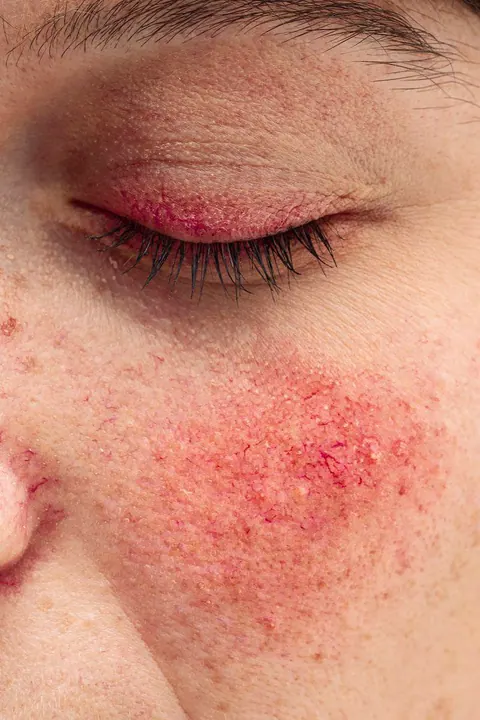
Facial Vascular Network Treatment with Lutronic Derma V — Radeski Skin Clinic
Facial spider vein and vascular network treatment with Lutronic Derma V at Radeski Skin Clinic: couperose, telangiectasias, redness. 532/1064 nm laser, cooling, personal protocol.
Read more
Rosacea Treatment at Radeski Skin Clinic — Facial Redness and Vessels
Rosacea care at Radeski Skin Clinic: diagnosis, medicines, IPL and vascular laser, care for sensitive skin. The aim is symptom control and a longer quiet period.
Read more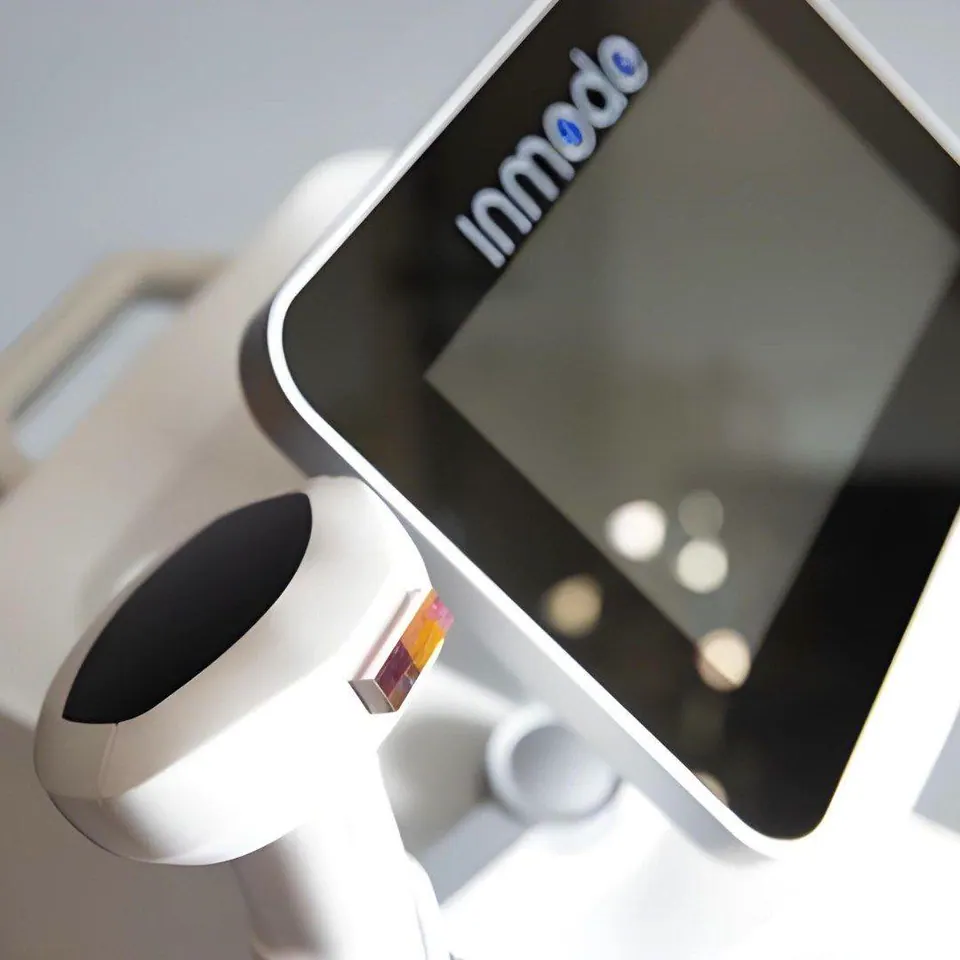
What Is IPL Therapy? A Modern Solution for Healthy, Beautiful Skin in Fergana
What IPL therapy is in Fergana and Kokand: how Radeski Skin Clinic uses intense pulsed light for redness, pigmentation, acne, and photoaging — steps, results, and safety.
Read more