
Facial Vascular Network Treatment with Lutronic Derma V — Radeski Skin Clinic
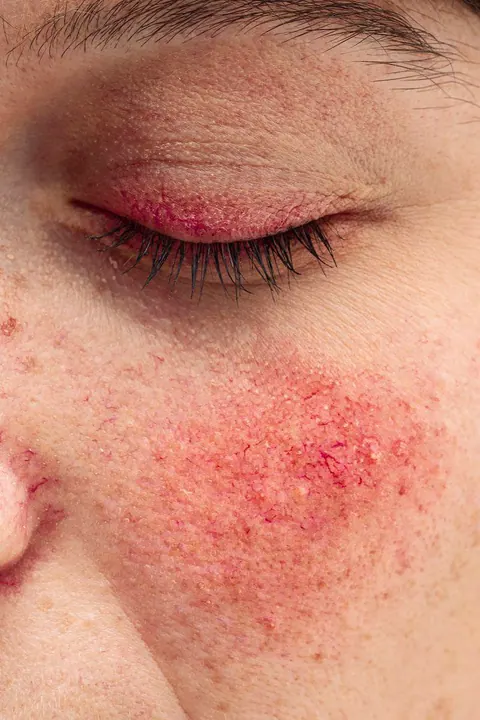
Facial spider vein and vascular network treatment with Lutronic Derma V at Radeski Skin Clinic: couperose, telangiectasias, redness. 532/1064 nm laser, cooling, personal protocol.
Key takeaways
- Spider veins and redness have different causes — a doctor’s assessment comes first
- Derma V uses 532 and 1064 nm for superficial and deeper vessels
- Laser selectively coagulates vessels — session count is individual
- With rosacea, laser alone is not enough — comprehensive care matters
- Derma V vs IPL is chosen by the physician
Facial vascular network treatment with Lutronic Derma V at Radeski Skin Clinic
How can you reduce facial spider veins and redness?
Facial spider veins, persistent redness, dilated capillaries, and tiny red “star” marks are common aesthetic concerns. They often become more visible with age, sun exposure, sensitive skin, or against a background of rosacea.
At Radeski Skin Clinic, vascular changes are treated with the Lutronic Derma V laser platform — technology designed specifically for vascular and pigment-related skin changes.
What is Lutronic Derma V?
Derma V is a Lutronic laser system with two wavelengths: 532 nm and 1064 nm. Combining them lets the physician adjust settings according to vessel type, diameter, and depth.
- 532 nm is especially effective for superficial vascular signs;
- 1064 nm can reach deeper vessels.
An important feature of Derma V is integrated skin cooling, which improves comfort and helps protect surrounding tissue during laser treatment.
Which vascular problems can be treated?
Derma V laser care may be considered for:
- facial spider veins and vascular networks;
- dilated capillaries;
- telangiectasias;
- couperose;
- pronounced facial redness;
- vascular signs linked to rosacea;
- isolated vascular lesions.
Laser methods and IPL are among effective options for facial telangiectasias and diffuse redness. Superficial vessels are often treated with 532 nm KTP and other vascular laser technologies.
How does the laser work?
Laser energy is selectively absorbed by blood inside the dilated vessel. The vessel heats and coagulates, gradually fades, and is cleared by the body over time.
The physician’s role is to choose settings that target the vessel as precisely as possible while limiting impact on nearby skin.
What happens during treatment at Radeski Skin Clinic?
First, the doctor consults and assesses skin and vessel status.
Individual laser parameters are then chosen based on:
- skin phototype;
- vessel size and depth;
- location of the vascular network;
- severity of redness;
- rosacea or other skin conditions.
Derma V cooling is used during the session to make treatment more comfortable.
Is it painful?
Most patients describe brief stinging or warmth. Cooling reduces discomfort during the procedure.
Temporary redness, mild swelling, or color change in treated vessels may appear afterward. Reactions depend on skin sensitivity and chosen settings.
How many sessions are needed?
The number of sessions is individual — it depends on vessel count, diameter, depth, and why they appeared.
Some patients notice improvement after the first visit, but a visible vascular network may require a course.
Important: laser treatment removes existing vessels but does not always address the underlying cause. With rosacea, comprehensive dermatologic care and disease control remain essential.
Why Derma V at Radeski Skin Clinic?
Lutronic Derma V is not merely a cosmetic touch-up — it is medical laser technology for vascular and pigment skin changes.
At Radeski Skin Clinic, treatment is supervised by specialists with individualized parameters for each patient. Derma V is listed among the clinic’s equipment for vascular and pigment laser care.
Book a consultation
If facial capillaries, red “stars,” persistent redness, or a vascular network bother you, covering them with makeup is not the only option.
A Radeski Skin Clinic physician will assess your skin and vessels and determine whether Lutronic Derma V, IPL, or another approach fits your case.
Radeski Skin Clinic — modern technology for healthy, beautiful skin.
When to see a doctor
- New or worsening red facial vessels appear
- Persistent redness or vascular “stars” are bothersome
- Vascular signs worsen with rosacea
- Makeup no longer conceals redness adequately
- You need a dermatologist assessment before laser care
Frequently asked questions
Hashtags
#Spiderveintreatment#Facialvascularnetwork#LutronicDermaV#DermaVlaser#Couperosetreatment#Telangiectasia#Vascularlasertreatment#Rosaceavessels#IPLandlaser#Fergana#Kokand#RadeskiSkinClinic
Important note: This article is for general information only and does not replace a medical consultation.
Related clinic services
Videos on this topic
More helpful articles
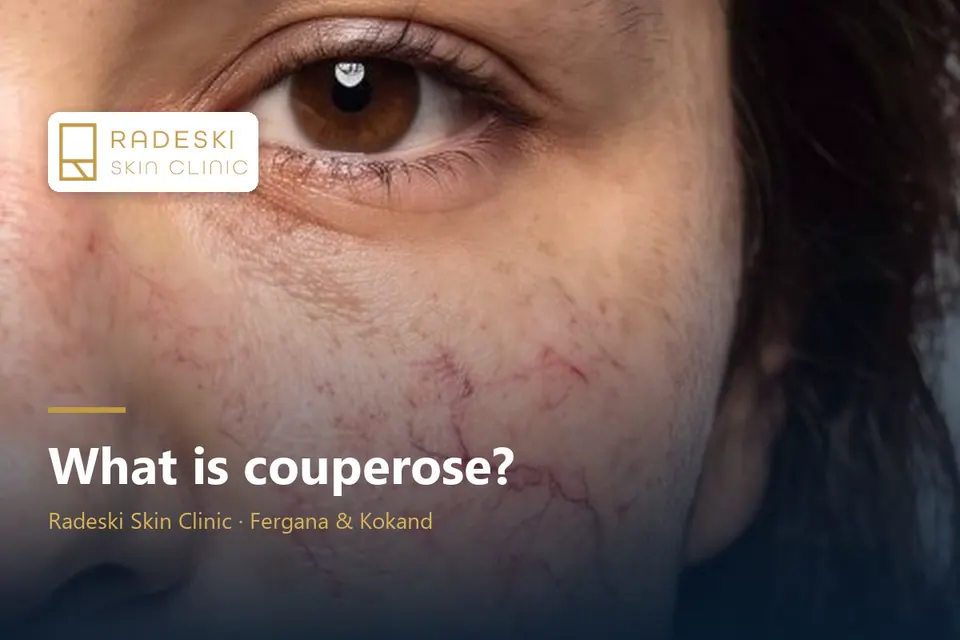
What Is Couperose: Why Red Veins Appear on the Face and Laser Treatment
What couperose is: thread veins on the face, causes, how it differs from rosacea, why creams do not help and treatment with the Derma V laser and IPL. Radeski — Fergana.
Read more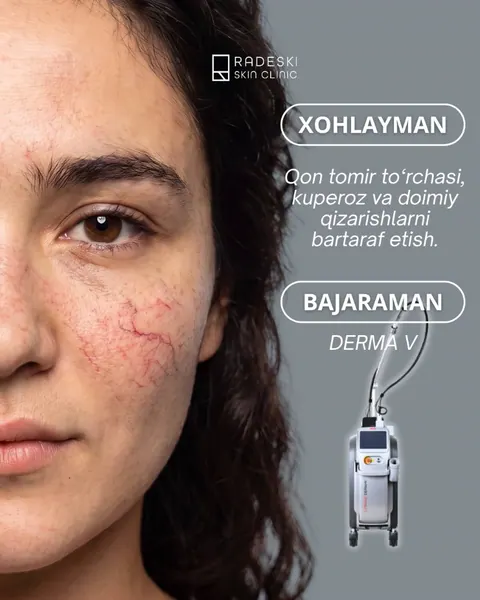
Vascular Redness Treatment with Derma V — Radeski Skin Clinic
How Lutronic Derma V treats spider veins, couperose, and persistent facial redness: steps, session count, and Radeski Skin Clinic experience.
Read more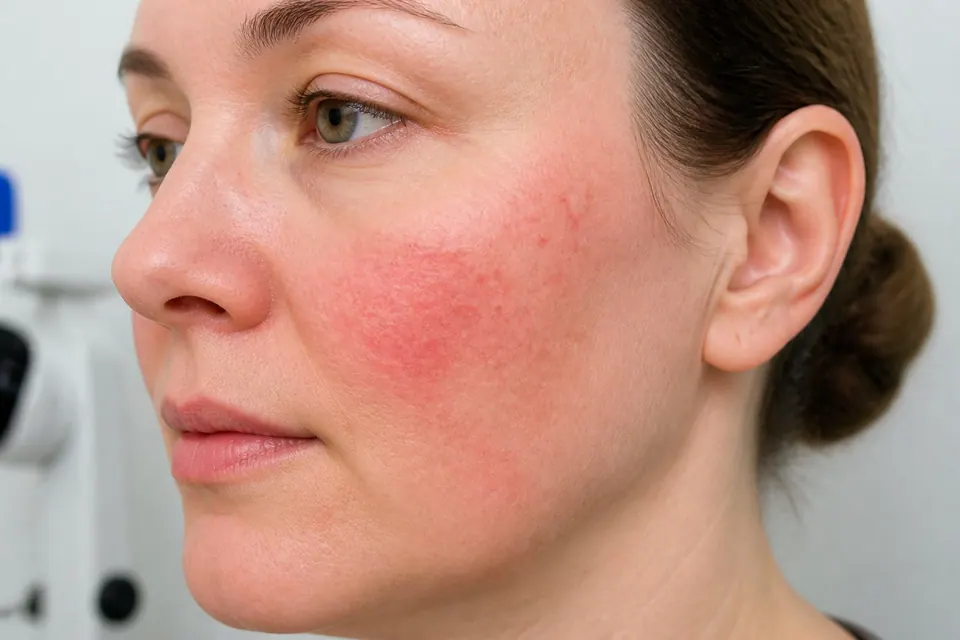
Perioral Dermatitis: The Rash Around the Mouth — Causes and the Right Treatment
Perioral dermatitis: a rash of small red bumps around the mouth. Signs, the role of steroid creams and heavy cosmetics, how it differs from acne and rosacea, "zero therapy" and treatment. Dermatologists in Fergana and Kokand.
Read more