
Rosacea Treatment at Radeski Skin Clinic — Facial Redness and Vessels
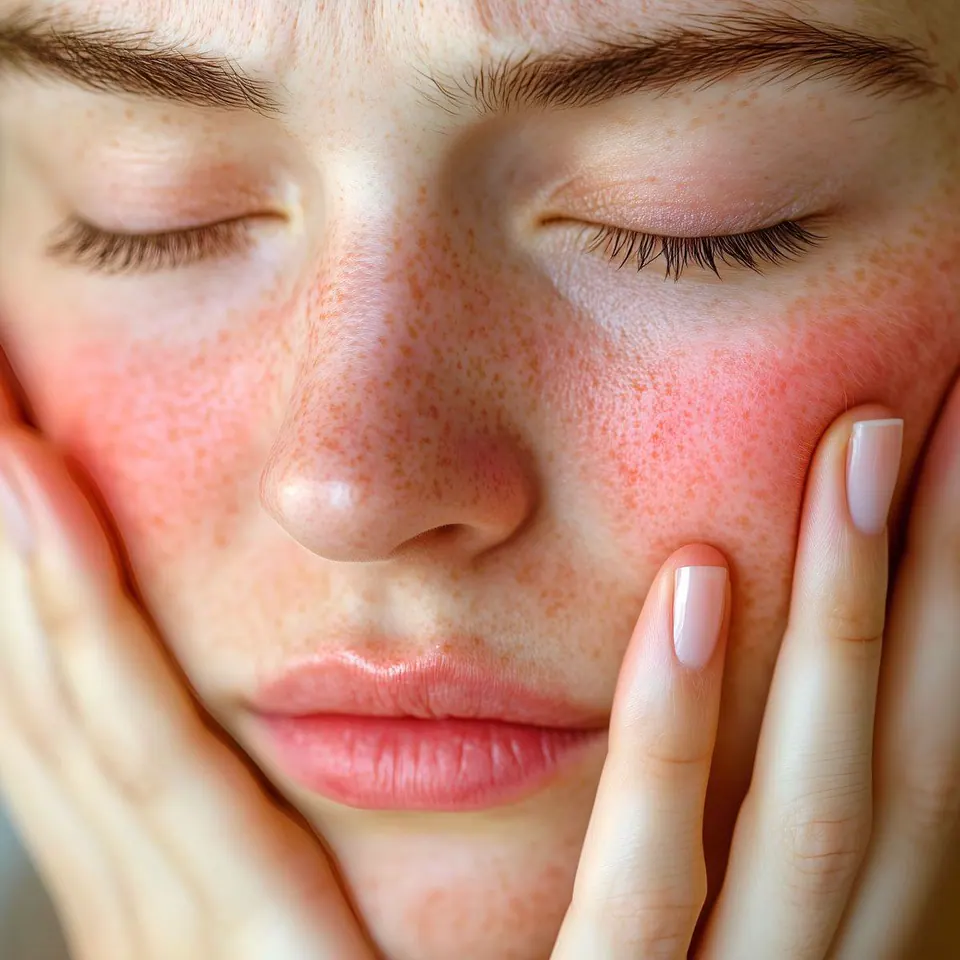
Rosacea care at Radeski Skin Clinic: diagnosis, medicines, IPL and vascular laser, care for sensitive skin. The aim is symptom control and a longer quiet period.
Key takeaways
- Rosacea is chronic; a promise of a one-time “cure” is usually misleading
- Signs differ — the plan follows your picture, not a package
- Medicines, home care, and IPL or vascular laser when needed work together
- Facial redness is not always rosacea — start with a dermatologist
- Do not start harsh scrubs or aggressive peels on your own
Rosacea care at Radeski Skin Clinic
Rosacea is a chronic inflammatory skin condition. It often shows as lasting facial redness, heat flushes, visible vessels, burning, sensitivity, and sometimes inflamed spots.
It is not “just a cosmetic issue.” Flares can come and go. A clear diagnosis and a personal plan help keep symptoms under control and the skin calmer for longer.
At Radeski Skin Clinic the approach follows your signs, your skin, and what tends to trigger flares — there is no one protocol for everyone.
How does rosacea show?
It looks different from person to person. Common signs include:
- lasting redness of the cheeks, nose, chin, and centre of the face;
- sudden flushes of heat and colour;
- burning or stinging;
- higher skin sensitivity;
- visible dilated vessels (couperose);
- inflamed spots that can look like acne;
- dryness and irritation;
- puffiness;
- in some cases, thickening of the skin.
One person may mainly have redness; another, a vessel network or inflammatory spots. There is no universal treatment: care is built around the picture in front of us.
Why does it happen?
The exact cause is not fully known. Many factors can influence how it starts and how it flares.
Frequent triggers include:
- sun;
- heat and overheating;
- sharp temperature swings;
- spicy food;
- alcohol;
- stress;
- intense exercise;
- some cosmetic products;
- hot drinks.
The mix is personal. A short symptom diary can show what actually flares your skin.
How is rosacea treated?
The aim is to control signs, calm inflammation and redness, reduce how often flares happen, and support a longer quiet period.
Depending on the picture, a doctor may combine several methods.
Medicines
For an inflammatory form, topical medicines may be used — for example, ivermectin, metronidazole, or azelaic acid. In some cases, systemic anti-inflammatory medicines are added. Choice depends on the type and strength of symptoms.
Do not start antibiotics or other prescription medicines on your own.
IPL
If lasting redness and vessel changes lead the picture, the doctor may consider IPL (intense pulsed light).
IPL can soften redness and the look of vessels. The number of sessions is set after the skin is assessed — not from a fixed package.
Vascular laser
For clearer dilated vessels, vascular laser technology may be used. It targets abnormally widened vessels and can make them less visible.
The device and settings depend on vessel type, skin phototype, and other personal factors.
This work should be done by someone experienced with vascular skin conditions. Wrong settings raise the risk of burns, pigment change, or scarring.
Home care in rosacea
Daily care is part of treatment, not an extra.
Helpful habits:
- Gentle cleansing. Skip harsh washes that break the skin barrier.
- Moisturise. A stronger barrier means less dryness and sting.
- Daily sun protection. UV light can trigger flares — SPF belongs in the routine.
Keep irritating procedures to a minimum. Do not layer many actives, harsh scrubs, or aggressive peels without medical advice.
A dermatologist can build a home routine around your sensitivity and the treatment already prescribed.
Can rosacea be fully “cured”?
Rosacea is a chronic condition. Care is aimed at controlling symptoms and keeping remission — not at promising it will vanish forever.
The course differs from person to person. The best results often come from medicines, sensible home care, and device-based sessions when they are indicated — together.
Why see a dermatologist?
Redness on the face is not always rosacea. Similar signs appear in other skin diseases.
A dermatologist judges the type of redness, vessels, inflammatory spots, sensitivity, and other clues — then chooses a plan.
See a doctor especially if redness becomes constant, vessels show, burning or inflamed spots appear, or signs slowly get worse.
How we work at Radeski Skin Clinic
We take a combined approach.
At the visit the doctor:
- assesses the skin;
- names the main signs;
- looks for likely triggers;
- builds a personal treatment plan;
- recommends device-based care if needed;
- gives home-care guidance;
- follows how the skin changes.
The goal is not to hide redness for a day, but to help you control rosacea and keep a longer quiet period.
If lasting facial redness, a vessel network, burning, or inflamed spots bother you, book a dermatologist visit at Radeski Skin Clinic in Fergana or Kokand.
When to see a doctor
- Redness on the face has become constant
- A vessel network is visible
- There is burning or stinging
- Inflamed spots appear
- Signs slowly get worse
- Self-chosen creams and scrubs do not help
Frequently asked questions
Hashtags
#Rosacea#Facialredness#Couperose#IPL#Vascularlaser#Dermatologist#Fergana#Kokand#RadeskiSkinClinic
Important note: This article is for general information only and does not replace a medical consultation.
Related clinic services
More helpful articles
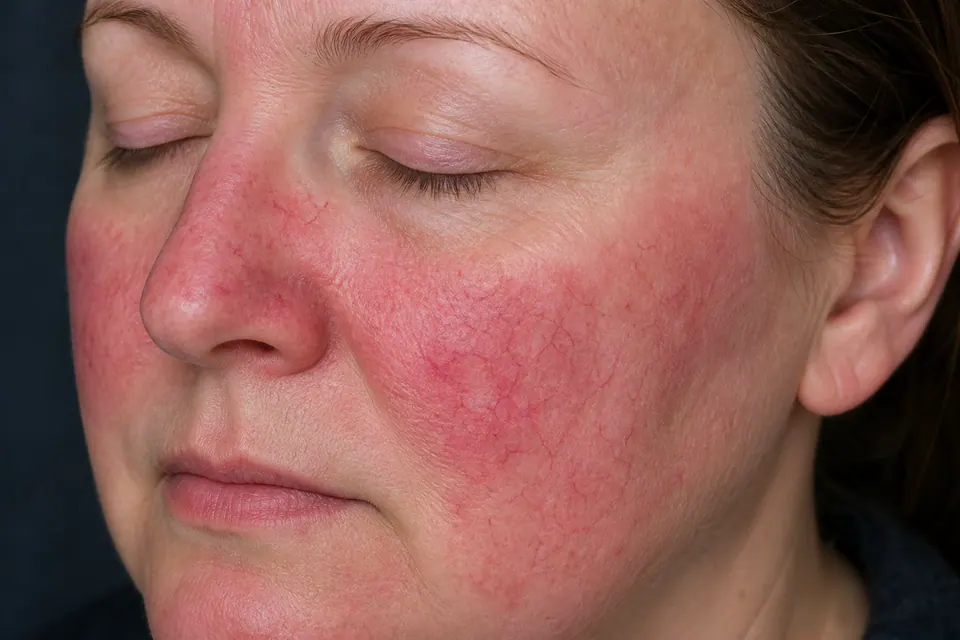
Demodicosis: Facial Redness and Spots — Signs, Testing and Treatment
Demodicosis: facial redness, spots, itching and rough skin. What the Demodex mite is, how it differs from acne and rosacea, the scraping test, treatment and care. Dermatologists in Fergana and Kokand.
Read more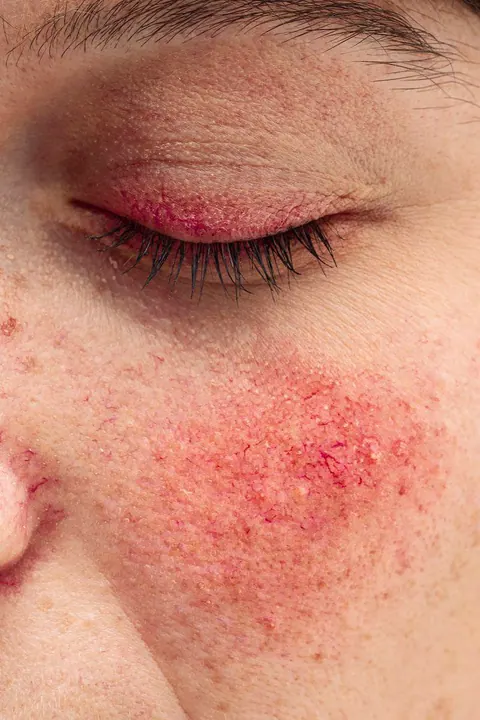
Facial Vascular Network Treatment with Lutronic Derma V — Radeski Skin Clinic
Facial spider vein and vascular network treatment with Lutronic Derma V at Radeski Skin Clinic: couperose, telangiectasias, redness. 532/1064 nm laser, cooling, personal protocol.
Read more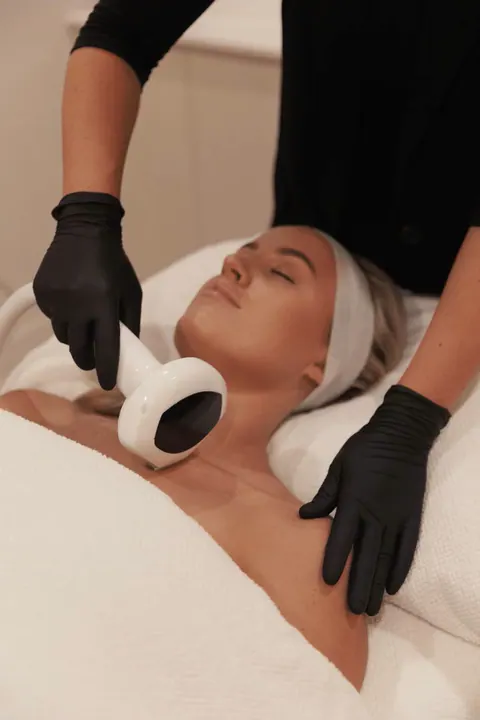
IPL Phototherapy at Radeski Skin Clinic — Redness, Pigment, and Vascular Changes
IPL phototherapy at Radeski Skin Clinic: a medical approach to redness, pigmentation, and vascular changes — indications, procedure steps, course length, and contraindications.
Read more