
Clinical Research: Phases and GCP
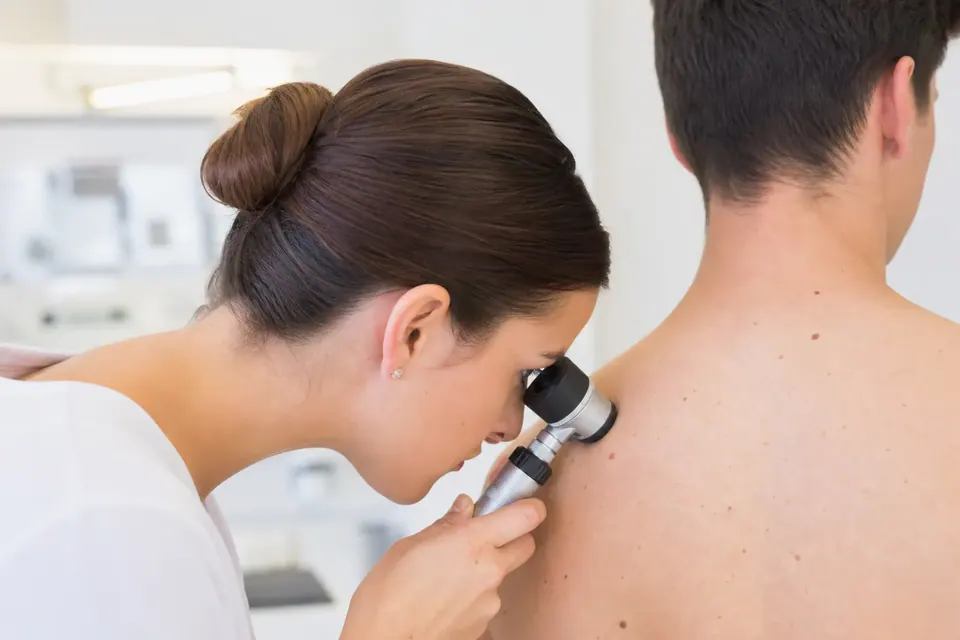
Clinical trials: phases I–IV, GCP, safety and efficacy — Radeski Skin Clinic investigators.
Key takeaways
- Clinical trials prove treatment safety and efficacy
- Phases I–IV span first-in-human to post-marketing surveillance
- GCP protects participant rights
- Radeski physicians participate in trials
- Clinically proven means rigorous human research standards
What is a clinical trial?
A clinical trial (CT) is research involving people to evaluate efficacy and safety of a new drug or method, or to expand indications for existing treatments. New invasive and non-invasive therapies and diagnostics may also be studied.
Clinical examination methods
These include history taking, physical exam, palpation, percussion, and auscultation.
Types of research
Studies may be theoretical, theoretical-experimental, or experimental, depending on methods used.
Why clinical trials matter
They demonstrate safety and effectiveness and are required before market approval. Rigorous science protects both outcomes and participants.
Who conducts them?
Investigator physicians — qualified specialists responsible for proper conduct, enrollment, and participant safety.
Clinically proven
All human research aimed at evaluating safety and effectiveness of new or registered medical products.
Trial phases
| Phase | Focus | |-------|--------| | I | 20–80 subjects: safety, dosing, side effects | | II | Larger group with target condition | | III | Pivotal trials before approval | | IV | Post-marketing real-world monitoring |
Phase IV continues after the drug is available in pharmacies.
Radeski and GCP
Investigators at Radeski Skin & Aesthetic Clinic participating in trials hold GCP (Good Clinical Practice) certificates — the international standard for patient rights and data quality.
When to see a doctor
- When invited to a clinical trial — discuss with your physician
- If you need information on study protocols
- When comparing care to international evidence standards
Frequently asked questions
Hashtags
#Clinicaltrial#GCP#Science#Dermatology#RadeskiSkinClinic
Important note: This article is for general information only and does not replace a medical consultation.
More helpful articles

Scabies: Night-Time Itching, How It Spreads and Treating the Whole Family
Scabies: itching that is worse at night, how it spreads, signs, dermoscopy, treating the whole household on one day and cleaning bedding. Dermatovenereologists in Fergana and Kokand.
Read more
Fungal Skin Infections: Feet, Body and Groin — Signs, Testing and Treatment
Fungal skin infections: feet, body, groin, scalp, pityriasis versicolor and candida. Signs, the skin scraping test, the steroid cream mistake, treatment and prevention. Dermatologists in Fergana and Kokand.
Read more
Cold Sores (Herpes): Why They Come Back and How to Treat Them Fast
Cold sores (herpes): why they come back, the stages, how herpes spreads, antiviral treatment and when to see a doctor urgently. Dermatovenereologists in Fergana and Kokand.
Read more