
Molluscum Contagiosum: Signs, Causes, and Treatment | Radeski Skin Clinic
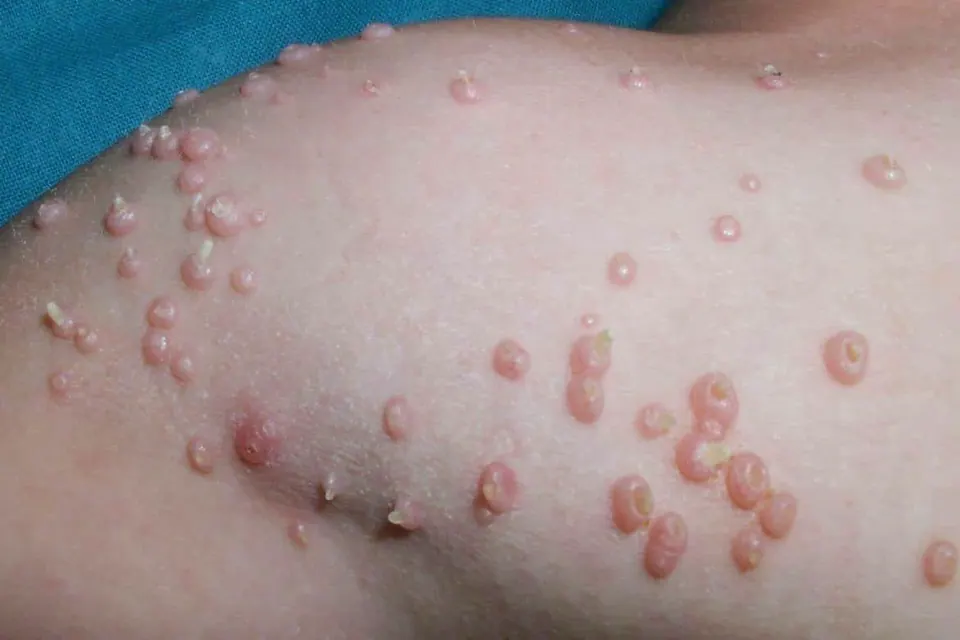
Molluscum contagiosum in children and adults: what it looks like, how it spreads, when watchful waiting is enough, and when treatment is needed. Dermatologist visit at Radeski Skin Clinic.
Key takeaways
- Small round bumps with a central dip are the classic sign
- It is contagious — scratching and squeezing speed up spread
- With good immunity it often clears alone, but not always
- Home removal is unsafe — risk of trauma and secondary infection
- See a dermatologist if spots multiply or you are unsure of the diagnosis
Molluscum contagiosum: signs, causes, and care
Molluscum contagiosum is a common viral skin condition, especially in children. It shows as small, firm, round bumps — flesh-coloured, pink, or pearly — often with a tiny dent in the centre.
It may look harmless, but it is contagious: spots can spread on the skin and pass to other people.
What is molluscum contagiosum?
It is caused by the Molluscum contagiosum poxvirus.
It is most common in children aged 1–10, but teens and adults can get it too. Skin-to-skin contact and shared towels, clothes, or sports gear raise the risk.
People with atopic dermatitis may get it more often because a weaker skin barrier lets the virus in more easily.
What does it look like?
The main sign is small round papules:
- flesh-coloured, pink, or pearly;
- smooth and firm;
- usually a few millimetres across;
- often with a small central dip;
- usually painless;
- sometimes itchy.
Spots may appear on the face, trunk, arms, and legs. Scratching or squeezing them can spread the virus to new areas.
How does it spread?
The main route is direct skin contact.
You can also pick it up from items used by someone with spots:
- towels;
- clothes;
- sponges or loofahs;
- sports equipment;
- some personal items.
In children, close play and sport help the infection spread. In teens and adults, spots in the genital area may be linked to sexual contact — a doctor visit is needed in that case.
Does it need treatment?
With a healthy immune system, molluscum often clears on its own. Spots may fade over 6–18 months, sometimes longer.
But “just wait” is not always the right plan.
Treatment may be advised if:
- the number of spots is growing;
- a child keeps scratching them;
- they spread to new body areas;
- there is inflammation or a bacterial infection;
- itching is strong;
- the child has atopic dermatitis;
- spots are on the face or very visible areas;
- they are in the genital area;
- you need to lower the risk of passing it on.
How is it treated?
The plan depends on age, how many spots there are, where they sit, skin condition, and other factors.
A doctor may choose watchful waiting or active removal. Dermatology uses cryotherapy, curettage, and some topical medicines — there is no one method that fits everyone.
In children, some options can be uncomfortable, so the approach is individual.
Do not squeeze or cut molluscum at home. That spreads the virus and raises the risk of skin damage and secondary infection.
Can you leave spots alone?
Sometimes a doctor truly recommends observation only.
If a child is well, there are few spots, and they are not bothersome, the body may clear the infection without active treatment. Still, watch the skin and avoid scratching and trauma.
If spots increase or spread, see a dermatologist again for a treatment plan.
How to reduce spread
While spots remain, the infection can pass to others.
To lower the risk:
- do not scratch or squeeze lesions;
- wash hands regularly;
- do not share towels;
- do not share clothes or personal items;
- avoid contact with other people’s spots;
- monitor the skin;
- cover affected areas during sport when possible.
On exposed skin, clothing or a dressing can help when practical.
When to see a dermatologist
If you are not sure the spots are molluscum, see a doctor — similar bumps appear in other skin conditions.
See a dermatologist especially if:
- spots grow quickly;
- many new lesions appear;
- the skin around them is very inflamed;
- there is pain or pus;
- a child keeps scratching;
- spots are near the eyes;
- they are in the genital area;
- the condition lasts a long time;
- immunity is weakened.
Diagnosis is usually made on skin examination.
Molluscum in children
It is especially common in children. In most cases it is not a serious health threat, but it can cause discomfort and spread.
Parents should explain why scratching and squeezing are harmful and make sure the child does not share towels or personal items.
With many spots, a dermatologist may suggest treatment to clear the skin faster and reduce further spread.
Care at Radeski Skin Clinic
At Radeski Skin Clinic, a dermatologist assesses and plans care for skin conditions.
If molluscum is suspected, the doctor reviews the type, number, and location of spots and decides whether treatment or observation is best.
Do not try to remove molluscum at home. The right plan helps avoid skin trauma and spreading the infection.
If you or your child has small round bumps with a central dip, book a dermatologist visit at Radeski Skin Clinic in Fergana or Kokand.
When to see a doctor
- You are not sure the spots are molluscum
- Spots are growing quickly or multiplying
- The skin around them is very inflamed
- There is pain or pus
- A child keeps scratching the lesions
- Spots are near the eyes or in the genital area
- The condition has lasted a long time
Frequently asked questions
Hashtags
#Molluscumcontagiosum#Paediatricdermatology#Skinconditions#Viralinfection#Dermatologist#Fergana#Kokand#RadeskiSkinClinic
Important note: This article is for general information only and does not replace a medical consultation.
Related clinic services
More helpful articles
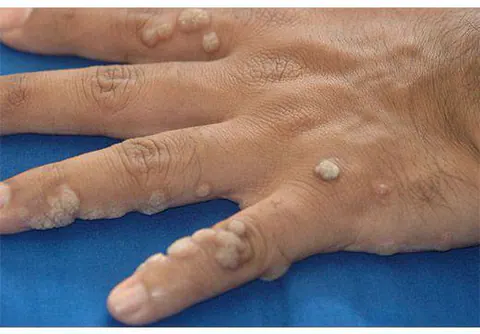
Laser Wart Removal in Children | Radeski Skin Clinic
Warts in children: causes, when removal is needed, and laser treatment at Radeski Skin Clinic. Dermatologist consultation and a personal plan.
Read more
Basal Cell Carcinoma (Basalioma): Symptoms, Causes, and Treatment
Basal cell carcinoma (basalioma): how it looks, why it develops, when to see a doctor, and how it is treated — a practical guide from Radeski Skin Clinic.
Read more
Rashes in Children: When to Worry and When to See a Dermatologist
Rashes in children: when to call an ambulance at once (the glass test), the most common causes, mistakes parents make and when to see a paediatric dermatologist. Fergana and Kokand.
Read more