
Laser Wart Removal in Children | Radeski Skin Clinic
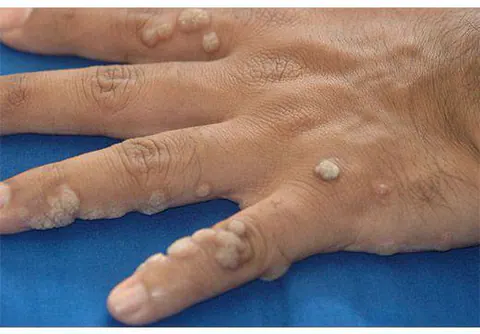
Warts in children: causes, when removal is needed, and laser treatment at Radeski Skin Clinic. Dermatologist consultation and a personal plan.
Key takeaways
- Childhood warts are HPV-related — they may clear alone but can spread quickly
- Growing, painful, facial, or distressing warts need a dermatologist’s assessment
- Laser acts precisely; session count depends on type and size
- Home cutting or burning is risky — diagnosis comes first
- At Radeski, an exam and dermoscopy when needed come before treatment
Warts in children: laser removal at Radeski Skin Clinic
Warts in children are a common problem linked to human papillomavirus (HPV). They can appear on the hands, fingers, soles, face, and other areas.
Although usually benign, warts can grow, spread, get injured, and cause discomfort.
At Radeski Skin Clinic, childhood warts are diagnosed and removed with modern laser equipment. The doctor chooses the approach individually after examining the child.
Why do warts appear in children?
The cause is human papillomavirus. It enters through small breaks in the skin and can spread through contact with infected skin or shared items.
Warts often appear on:
- fingers and palms;
- around the nails;
- the soles of the feet;
- knees and elbows;
- the face.
Common, flat, and plantar warts are especially frequent in children.
Does a child’s wart need removal?
Sometimes a wart may clear on its own. Waiting is not the right choice in every case.
Removal is worth considering if the wart:
- is getting larger;
- is injured again and again;
- hurts or bleeds;
- makes walking difficult;
- is on the face or another visible area;
- is spreading with new spots;
- affects the child’s confidence or comfort.
Before treatment, a dermatologist confirms that the lesion is actually a wart.
Laser wart removal for children at Radeski Skin Clinic
One modern option is laser removal.
At Radeski Skin Clinic the session is done by a doctor after consultation and assessment of the lesion.
The laser acts directly on changed tissue, and the specialist controls the treated area.
Advantages of laser removal
- precise action on the lesion;
- access to small or hard-to-reach areas;
- minimal effect on surrounding healthy skin;
- no surgical incision;
- relatively quick sessions;
- some warts can be removed in a single visit.
Whether laser is suitable, how many sessions are needed, and what to expect depend on the type, size, and location of the wart.
What happens during laser removal?
First, a dermatologist examines the child, assesses the wart, and chooses a plan.
If needed, local anesthesia is used so the session is as comfortable as possible.
The doctor then treats the wart with the laser. Afterward you receive clear aftercare instructions.
Follow them during healing and do not pick off the scab yourself.
Is laser wart removal painful for a child?
Sensations depend on size, location, and the child’s sensitivity.
When needed, the doctor uses local anesthesia. That is why a consultation comes first — to choose the best option for your child.
Can you remove a wart at home?
Home creams, cutting, or burning are not recommended.
Harsh products can burn healthy skin, cause inflammation, or leave a scar. Not every skin bump is a wart.
The right first step is a dermatologist visit.
Plantar warts in children
Warts on the soles can be especially bothersome. Pressure while walking may cause pain and interfere with sports.
The doctor assesses depth and type, then chooses the best method. In some cases laser removal is recommended.
Why Radeski Skin Clinic?
Removal is preceded by a dermatologist’s exam — to confirm what the lesion is and build an individual plan.
We pay special attention to children’s skin conditions and aim to keep the procedure as comfortable as possible.
If your child has a wart
Do not wait until it grows or new spots appear.
Book a dermatologist visit at Radeski Skin Clinic. The doctor will examine the lesion, use dermoscopy if needed, and decide whether laser removal is appropriate.
Radeski Skin Clinic — diagnosis and treatment of skin conditions in children and adults.
When to see a doctor
- The wart is growing quickly
- There is pain or bleeding
- Walking is difficult (plantar wart)
- It is on the face or a visible area
- New spots are appearing
- The child is upset or embarrassed
- You are not sure it is a wart
Frequently asked questions
Hashtags
#Wartsinchildren#HPV#Laser#Plantarwarts#Pediatricdermatologist#Fergana#Kokand#RadeskiSkinClinic
Important note: This article is for general information only and does not replace a medical consultation.
Related clinic services
More helpful articles
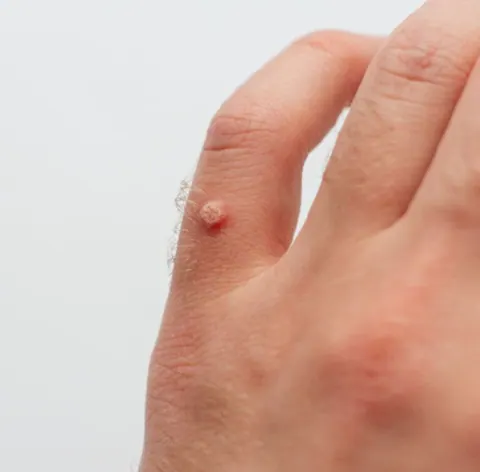
Warts in Children: Safe Removal with DEKA CO₂ Laser at Radeski Skin Clinic
Safe childhood wart removal in Fergana and Kokand with DEKA CO₂ laser at Radeski Skin Clinic: causes, when to treat, the procedure, and aftercare.
Read more
Rashes in Children: When to Worry and When to See a Dermatologist
Rashes in children: when to call an ambulance at once (the glass test), the most common causes, mistakes parents make and when to see a paediatric dermatologist. Fergana and Kokand.
Read more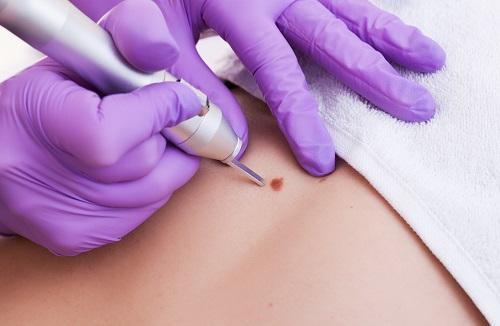
Skin Papillomas: Why They Appear and How to Remove Them Safely
Papillomas: types, how they differ from warts, why home removal is risky, removal with CO₂ laser and radiowave, aftercare. Dermatologists in Fergana and Kokand.
Read more