
Eyebrow Tattoo Removal with Hollywood Spectra Laser — Radeski Skin Clinic
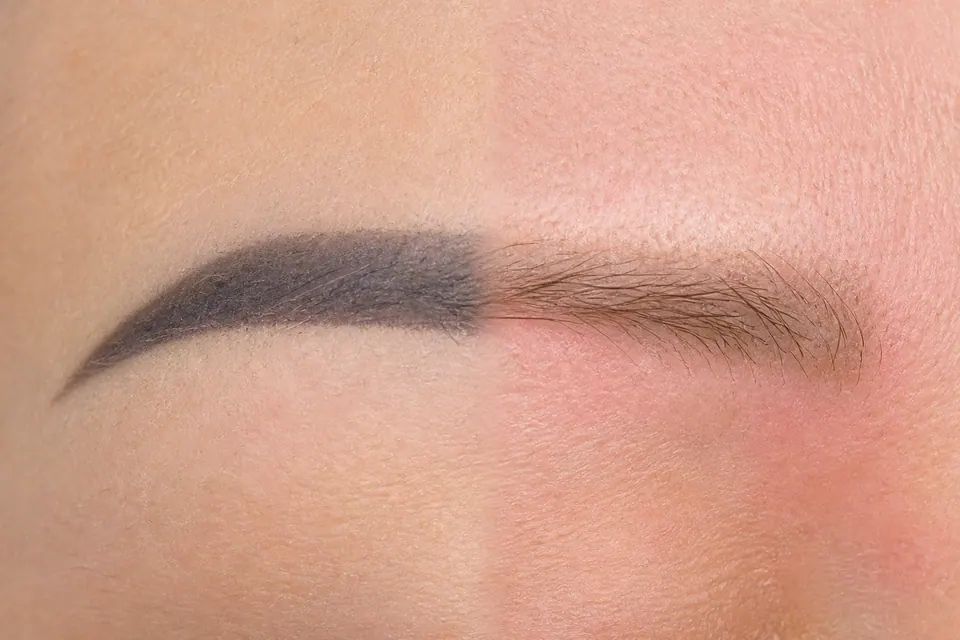
How Lutronic Hollywood Spectra laser can lighten and remove unwanted eyebrow permanent makeup: mechanism, safety, number of sessions, and what to expect at Radeski Skin Clinic.
Key takeaways
- Hollywood Spectra uses 1064 and 532 nm to break down permanent makeup pigment
- Outcomes depend on pigment composition, depth, and skin factors
- Color shift after the first session can occur and is part of assessment
- Natural brow hairs are typically preserved
- Periorbital treatment requires a qualified specialist and eye protection
Eyebrow permanent makeup removal with Hollywood Spectra
Unwanted eyebrow tattooing can often be corrected. Overly dark, wide, or uneven brows; permanent makeup that has shifted color over time; or an unfavorable hue after microblading — these are common reasons patients visit Radeski Skin Clinic.
We use the Lutronic Hollywood Spectra medical laser platform to lighten and remove unwanted pigment. It delivers short pulses at 1064 nm and 532 nm and is designed for tattoo and permanent makeup removal among other indications.
How does Hollywood Spectra remove tattoo pigment?
Laser energy targets pigment particles and breaks them into smaller fragments. The body then gradually clears those fragments through natural processes.
Hollywood Spectra works with a short 5-ns pulse and high peak power. Pigment is affected mainly through a photoacoustic mechanism, with minimal thermal impact on surrounding tissue.
Why are different wavelengths used?
Permanent makeup pigments vary in composition and color, so one wavelength does not fit every case.
- 1064 nm — often chosen for dark pigments: black, brown, and some other deep tones.
- 532 nm — used for certain lighter and warm shades, including red, orange, and some brown pigments.
The physician selects wavelength and settings individually after assessing color, depth, and pigment characteristics.
Can old eyebrow tattoo be removed completely?
In some cases pigment can be cleared almost entirely, but promising a 100% result upfront is not medically appropriate.
The number of sessions depends on:
- pigment color and composition;
- depth in the skin;
- how long ago the tattoo was done;
- how densely it was applied;
- previous removal attempts;
- individual skin factors.
Lutronic notes that tattoo removal typically requires multiple sessions spaced to allow the body to clear fragmented pigment. Medical literature also reports successful use of 1064 and 532 nm lasers for eyebrow permanent makeup removal.
Why can tattoo color change during removal?
This is an important aspect of permanent makeup removal.
After the first laser session, a shade that was barely visible before may become apparent. For example, brown pigment can turn reddish, orange, or grayish.
This reflects pigment composition and how its components respond to laser energy. Scientific reports describe color shifts in cosmetic pigments after laser treatment — which is why proper assessment and individualized settings matter.
At Radeski Skin Clinic, the goal is not simply to "remove the tattoo" but first to determine what pigment is in the skin and how it is likely to respond.
What happens during treatment at Radeski Skin Clinic?
Before treatment, the physician evaluates:
- pigment color and tone;
- depth;
- tattoo density;
- skin condition;
- prior removal attempts.
A test spot may be treated when needed. After individual parameters are set, the laser is applied directly to the pigment in a controlled, point-by-point manner.
Temporary redness, mild swelling, darkening of treated pigment, or crusting can occur depending on skin type and settings.
Is eyebrow-area removal safe?
The periorbital area requires special care. Laser treatment near the eyes should be performed by a qualified specialist with proper eye protection and laser safety protocols.
With appropriate settings, the aim is to target pigment while preserving surrounding tissue as much as possible.
What about natural brow hairs?
Permanent makeup removal addresses pigment in the skin, not the hair itself. When performed correctly, the procedure aims to clear unwanted pigment while keeping natural brow hairs.
A published study of 1064/532 nm laser eyebrow tattoo removal did not report negative effects on brow hair growth.
Why choose Radeski Skin Clinic?
Tattoo removal is not a one-size-fits-all procedure.
Hollywood Spectra offers multiple modes and wavelengths for different pigments, and settings are tailored individually.
At Radeski Skin Clinic we focus on predictable outcomes based on skin characteristics and pigment composition — not just lightening the brows.
When to book a consultation
If you are unhappy with brow shape or color, if an old tattoo has turned red, gray, or too dark, or if you are preparing for new permanent makeup — schedule a consultation.
Lutronic Hollywood Spectra at Radeski Skin Clinic is a modern approach to lightening and removing unwanted pigment.
Results and the number of sessions required are individual and determined after examination by a specialist.
When to see a doctor
- Brow tattoo has turned red, gray, or too dark
- You are preparing for new permanent makeup
- Previous removal attempts did not work
- Severe pain or infection signs after treatment
Frequently asked questions
Hashtags
#HollywoodSpectra#Eyebrowtattoo#Permanentmakeup#Laser#Lutronic#Fergana#Kokand#RadeskiSkinClinic
Important note: This article is for general information only and does not replace a medical consultation.
Related clinic services
More helpful articles
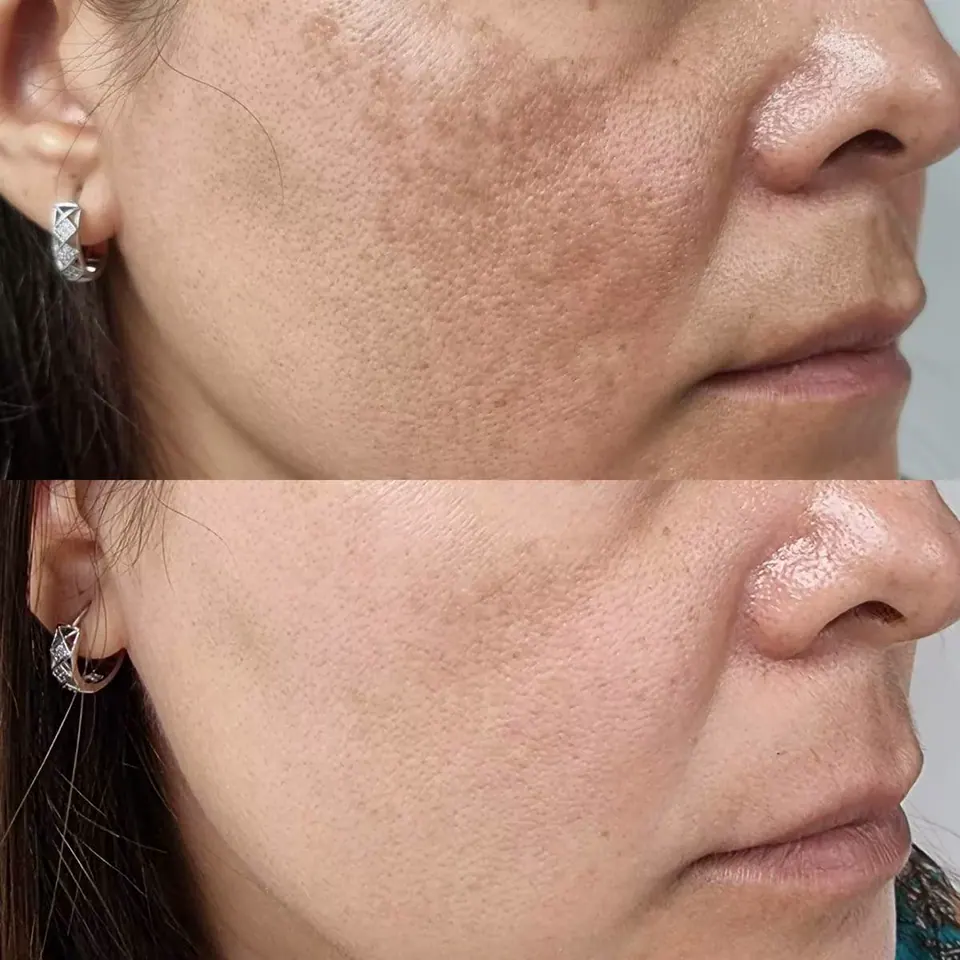
Hollywood Spectra Pigmentation Treatment — Radeski Skin Clinic
Hollywood Spectra Lutronic pigmentation treatment at Radeski Skin Clinic: melasma, sun spots, post-acne marks. 1064/532 nm laser, personal protocol, often minimal downtime.
Read more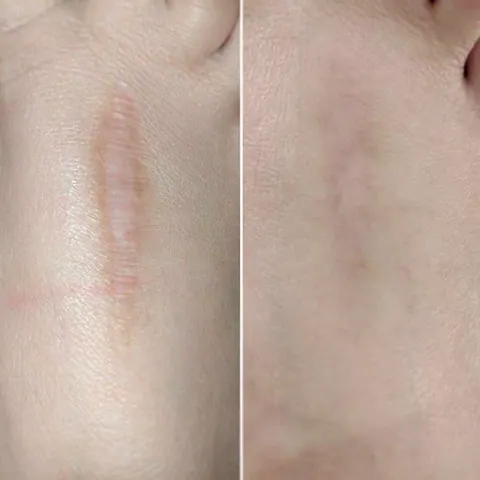
Laser Scar Resurfacing: Making Scars Less Visible | Radeski Skin Clinic
Laser scar resurfacing for marks after surgery, injury, burns and acne. Modern scar correction at Radeski Skin Clinic — doctor consult and a personal plan.
Read more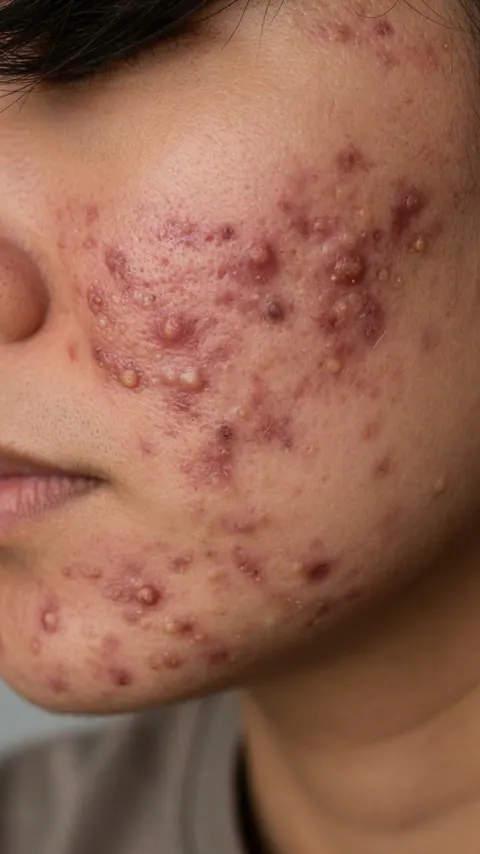
Adult Acne: Causes and Modern Treatment | Radeski Skin Clinic
Adult acne: causes, diagnosis, and modern treatment at Radeski Skin Clinic in Fergana and Kokand — medication, laser, IPL, and personalized care.
Read more