
Hollywood Spectra Pigmentation Treatment — Radeski Skin Clinic
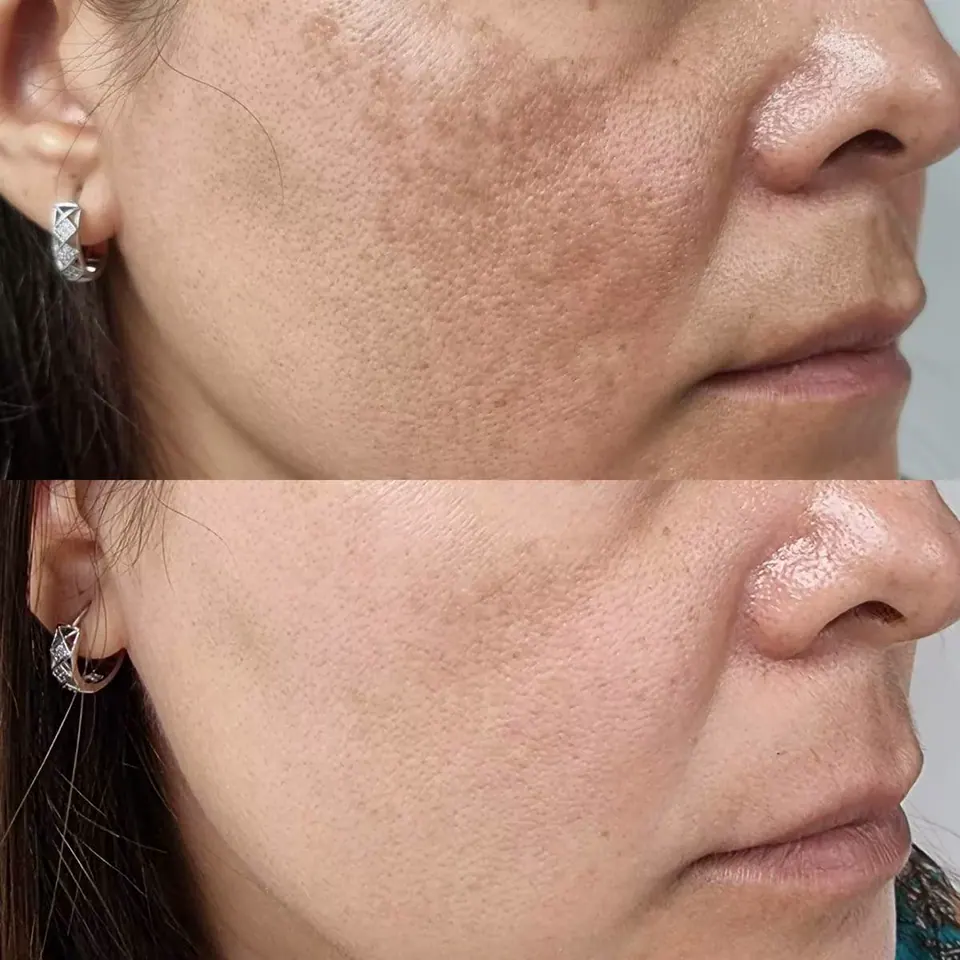
Hollywood Spectra Lutronic pigmentation treatment at Radeski Skin Clinic: melasma, sun spots, post-acne marks. 1064/532 nm laser, personal protocol, often minimal downtime.
Key takeaways
- Pigmentation varies — cause and depth come first
- Hollywood Spectra Lutronic uses 1064 and 532 nm for different spot types
- Melasma laser care fits a broader plan; SPF and trigger control matter
- Post-inflammatory and post-acne pigment may be treated under medical protocol
- Session count is individual — do not choose a laser on your own
Pigmentation Treatment with Hollywood Spectra at Radeski Skin Clinic
Uneven skin tone and dark spots are among the most common cosmetic concerns. Facial pigmentation may follow sun exposure, inflammation, hormonal shifts, pregnancy, skin injury, or aging. Sometimes daily skincare is not enough — and laser pigmentation treatment becomes a reasonable next step.
At Radeski Skin Clinic we use the Hollywood Spectra Lutronic platform — a Q-switched laser at 1064 and 532 nm — to reduce unwanted pigment and even out facial tone.
What is Hollywood Spectra?
Hollywood Spectra is a modern laser with ultra-short pulses. Energy reaches pigment through a photoacoustic effect: the laser targets pigmented areas, breaks down excess pigment, and the body clears it gradually.
Two wavelengths — 1064 nm and 532 nm — let the physician choose settings based on pigment type, depth, and skin characteristics.
Hollywood Spectra may be considered for:
- melasma;
- sun and age spots;
- freckles;
- post-inflammatory hyperpigmentation;
- selected epidermal and dermal pigment changes;
- uneven skin tone.
Which types of pigmentation can be treated?
Pigmentation is not a single diagnosis. Spots differ in origin and depth.
Melasma
Melasma often shows as symmetric brown patches on cheeks, forehead, chin, or above the upper lip. Sun and hormones strongly influence how it appears and flares.
Hollywood Spectra has an FDA-cleared indication for melasma laser treatment and may be part of a broader control plan. Melasma tends to recur — daily SPF and medical follow-up matter after care.
Post-inflammatory pigmentation
Dark marks may remain after acne, inflammatory skin disease, trauma, or cosmetic procedures. Depending on depth, the doctor may add Hollywood Spectra to a personal protocol — helpful for post-acne care and tone correction.
Sun and age spots
Localized brown spots from chronic sun exposure may also be treated with laser removal of pigmented spots. 532 nm suits more superficial pigment; 1064 nm supports deeper pigment and other clinical goals.
How does treatment work?
A dermatologist assesses the skin and defines the pigment pattern. Dermoscopy may be needed to rule out lesions that should not be treated with a cosmetic laser.
Settings on Hollywood Spectra are chosen individually. During the session the laser acts on pigmented zones; short pulses keep energy delivery controlled. Duration depends on treated area.
Is it painful?
Sensations vary. Most people describe mild tingling or brief pulses. Whether extra numbing is needed is decided individually.
Is there downtime?
Many Hollywood Spectra protocols allow minimal recovery. Skin reaction still depends on settings, pigment type, and sensitivity. Aftercare instructions are mandatory.
Daily SPF is critical: UV can darken existing pigment and trigger new spots.
How many sessions are needed?
There is no one-size-fits-all number. It depends on:
- pigment type;
- depth;
- treated area;
- phototype;
- underlying cause;
- skin response;
- adherence to medical advice.
Some patients notice change after one visit; melasma and complex cases often need a course.
Why identify the cause first?
Removing a spot is not enough if the trigger remains. With melasma, sun and provokers must be managed; with post-inflammatory marks, the primary skin condition needs control.
That is why facial pigmentation treatment at Radeski starts with assessment and strategy — not with picking a laser on your own.
Tone and skin quality
Beyond spot reduction, Hollywood Spectra protocols may improve overall tone and texture. Some modes relate to collagen stimulation, so care can sit inside a broader skin renewal plan.
Our approach at Radeski Skin Clinic
For each patient the doctor clarifies:
- which pigmentation is present;
- how deep the pigment sits;
- whether there are contraindications;
- which laser mode fits your skin;
- whether a course is needed.
Hollywood Spectra Lutronic combines 1064 and 532 nm with several modes to address varied pigment concerns.
Book a consultation
If dark spots, uneven tone, post-acne marks, or melasma bother you, do not choose a laser procedure alone. A Radeski dermatologist will find the cause and, when appropriate, build a plan with Hollywood Spectra laser care.
We see patients in Fergana and Kokand, and welcome those traveling from elsewhere in Uzbekistan — including the Tashkent region and the Fergana Valley.
Radeski Skin Clinic — modern diagnosis and treatment for skin pigmentation.
When to see a doctor
- New or worsening facial pigment spots appear
- Melasma or post-acne marks are bothersome
- A spot changes shape, color, or border
- Home lightening products do not help
- You need a dermatologist assessment before laser care
Frequently asked questions
Hashtags
#Pigmentationtreatment#Facialpigmentation#Pigmentspotremoval#Laserpigmentationtreatment#HollywoodSpectra#HollywoodSpectraLutronic#Melasmatreatment#Melasmalaser#Laserspotremoval#Postacnetreatment#Postinflammatorypigmentation#Tashkent#Fergana#Kokand#RadeskiSkinClinic
Important note: This article is for general information only and does not replace a medical consultation.
Related clinic services
Videos on this topic

More helpful articles
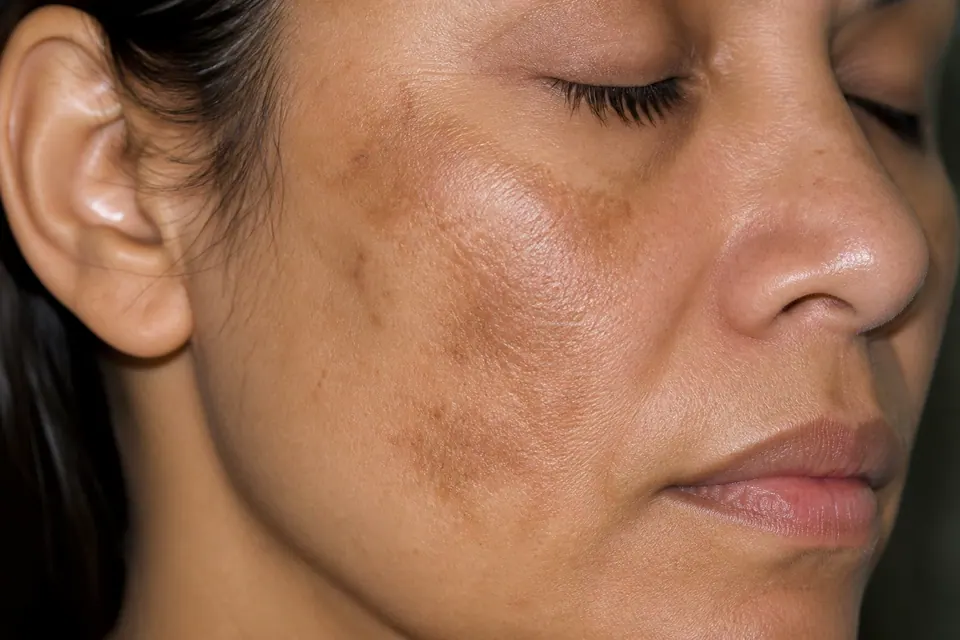
Melasma: Brown Patches on the Face — Causes and Modern Treatment
Melasma — brown patches on the face: causes (sun, hormones), how it differs from other spots, sun protection, creams, peels and laser toning. Dermatologists in Fergana and Kokand.
Read more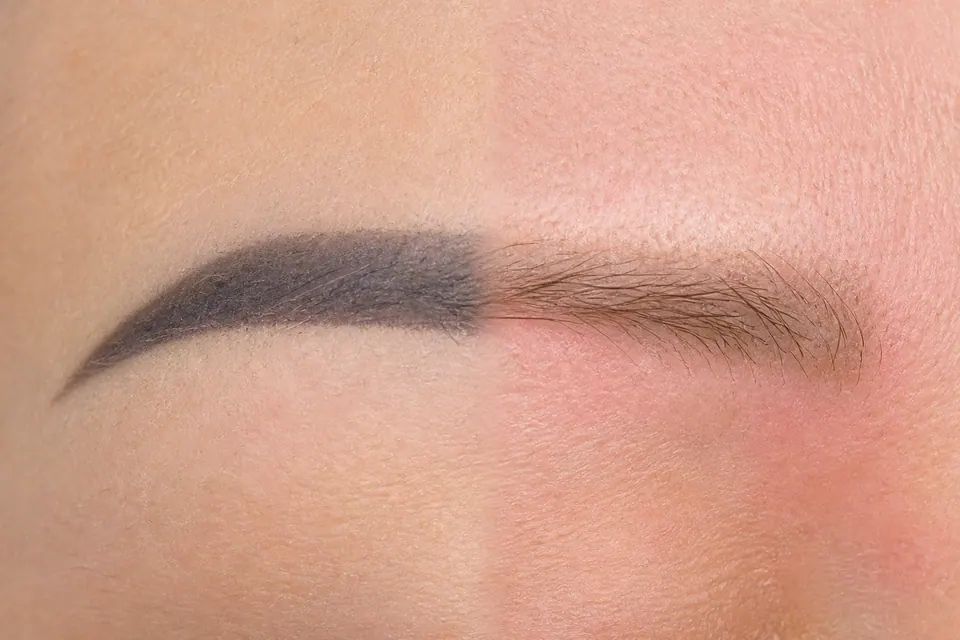
Eyebrow Tattoo Removal with Hollywood Spectra Laser — Radeski Skin Clinic
How Lutronic Hollywood Spectra laser can lighten and remove unwanted eyebrow permanent makeup: mechanism, safety, number of sessions, and what to expect at Radeski Skin Clinic.
Read more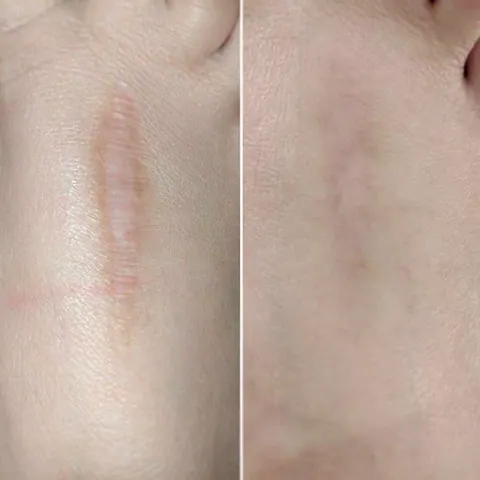
Laser Scar Resurfacing: Making Scars Less Visible | Radeski Skin Clinic
Laser scar resurfacing for marks after surgery, injury, burns and acne. Modern scar correction at Radeski Skin Clinic — doctor consult and a personal plan.
Read more