
Skin Papillomas: Why They Appear and How to Remove Them Safely
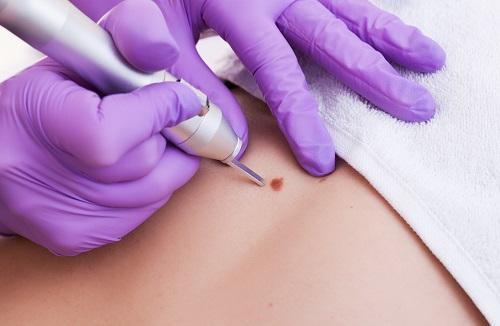
Papillomas: types, how they differ from warts, why home removal is risky, removal with CO₂ laser and radiowave, aftercare. Dermatologists in Fergana and Kokand.
Key takeaways
- Most papillomas are harmless, but they get injured and inflamed
- Skin tags are not contagious; viral papillomas and warts are linked to HPV
- Thread and burning products cause scars, burns and a lost diagnosis
- At the clinic: CO₂ laser, radiowave or surgery, in a few minutes
- A suspicious growth is sent for histology
A papilloma is a small, soft growth that sticks out from the skin. They usually appear on the neck, in the armpits, on the eyelids, under the breasts and in the groin. Most are harmless, but they catch on clothing and jewellery, get injured, become inflamed and affect appearance. Removing them safely is a job for a dermatologist.
Papillomas and warts: what is the difference?
In everyday speech "papilloma" covers several different growths:
- Skin tags (acrochordons) — soft skin growths on a thin stalk. Linked to friction, excess weight, diabetes and pregnancy; not contagious.
- Viral papillomas and warts — caused by human papillomavirus (HPV). They appear on the hands, soles and face and can spread by contact. There is a separate article on warts in children.
- Genital growths (condylomas) — need examination and treatment by a dermatovenereologist.
Which one you have — and whether the growth is really a papilloma and not a mole or something else — the doctor decides with an examination and dermoscopy.
Why is home removal risky?
- Tying with thread and cutting cause bleeding, infection and scarring.
- Celandine, acids and "burning" products leave burns and marks.
- Most importantly, the growth may not be a papilloma but something else — including something dangerous. Destroying it without an examination loses the diagnosis.
How are papillomas removed at the clinic?
The doctor chooses the method by the type, size and location of the growth:
- CO₂ laser — precisely vaporises the growth layer by layer, without bleeding; well suited to the face and eyelids;
- radiowave method (Surgitron) — a radiowave "knife" cuts the growth and seals the vessels at the same time;
- surgical removal — for large or suspicious growths, so the tissue can be sent for histology.
It is done under local anaesthetic and takes a few minutes. A suspicious growth is always sent for histology.
Aftercare
- A crust forms and falls off in 5–10 days — do not pick it.
- Treat the spot with the antiseptic your doctor recommends.
- For the first few days avoid steaming the area, saunas and swimming pools.
- The new skin stays sun-sensitive for 1–2 months — use SPF 50.
Do papillomas come back?
A removed papilloma rarely grows back in the same spot. But the tendency remains: new ones may appear elsewhere over time. Keeping weight and blood sugar in check and protecting the skin from friction reduce the number of new ones.
Papilloma removal in Fergana and Kokand
At Radeski Skin Clinic a dermatologist examines the growth with a dermatoscope, chooses the right method and removes it safely in the surgical dermatology department.
- Wart and papilloma removal in Fergana;
- Wart and papilloma removal in Kokand;
- in depth: DEKA CO₂ laser, Molluscum contagiosum.
If a papilloma bleeds, starts to grow or changes colour, do not put off removal — and have a dermatologist look at it.
When to see a doctor
- A papilloma bleeds or gets injured
- It starts to grow or changes colour
- Many papillomas appear in a short time
- A growth appears on the genitals
- The growth looks like a mole
Frequently asked questions
Hashtags
#Papillomas#Skintags#Warts#Papillomaremoval#CO₂laser#Fergana#Kokand#RadeskiSkinClinic
Important note: This article is for general information only and does not replace a medical consultation.
Related clinic services
More helpful articles
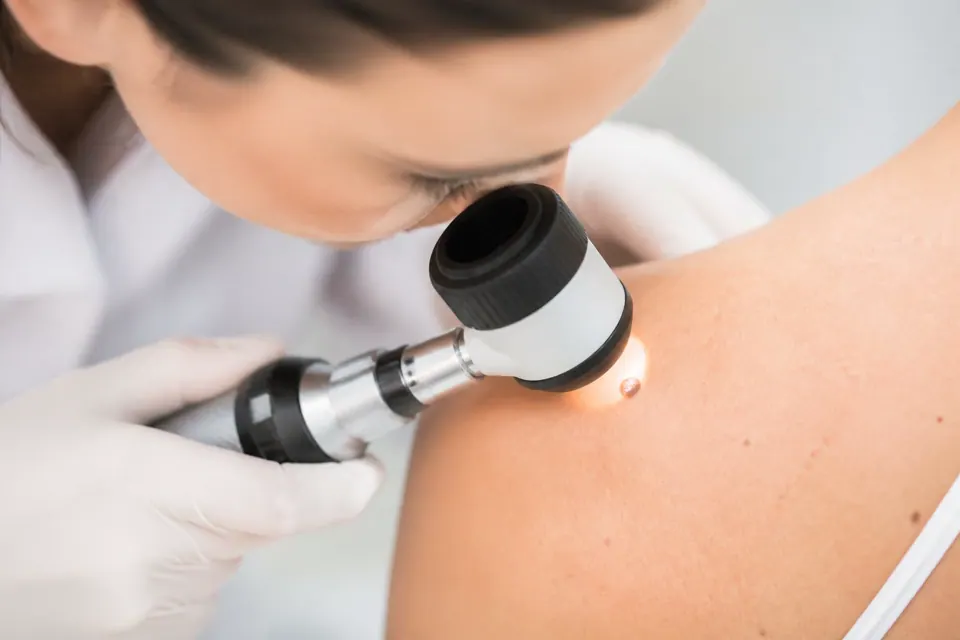
Moles and Dermoscopy: Which Mole Is Dangerous — the ABCDE Rule and Check-ups
When to check a mole: the ABCDE rule, risk groups, dermoscopy and mole mapping, removal and histology. Dermato-oncologists in Fergana and Kokand.
Read more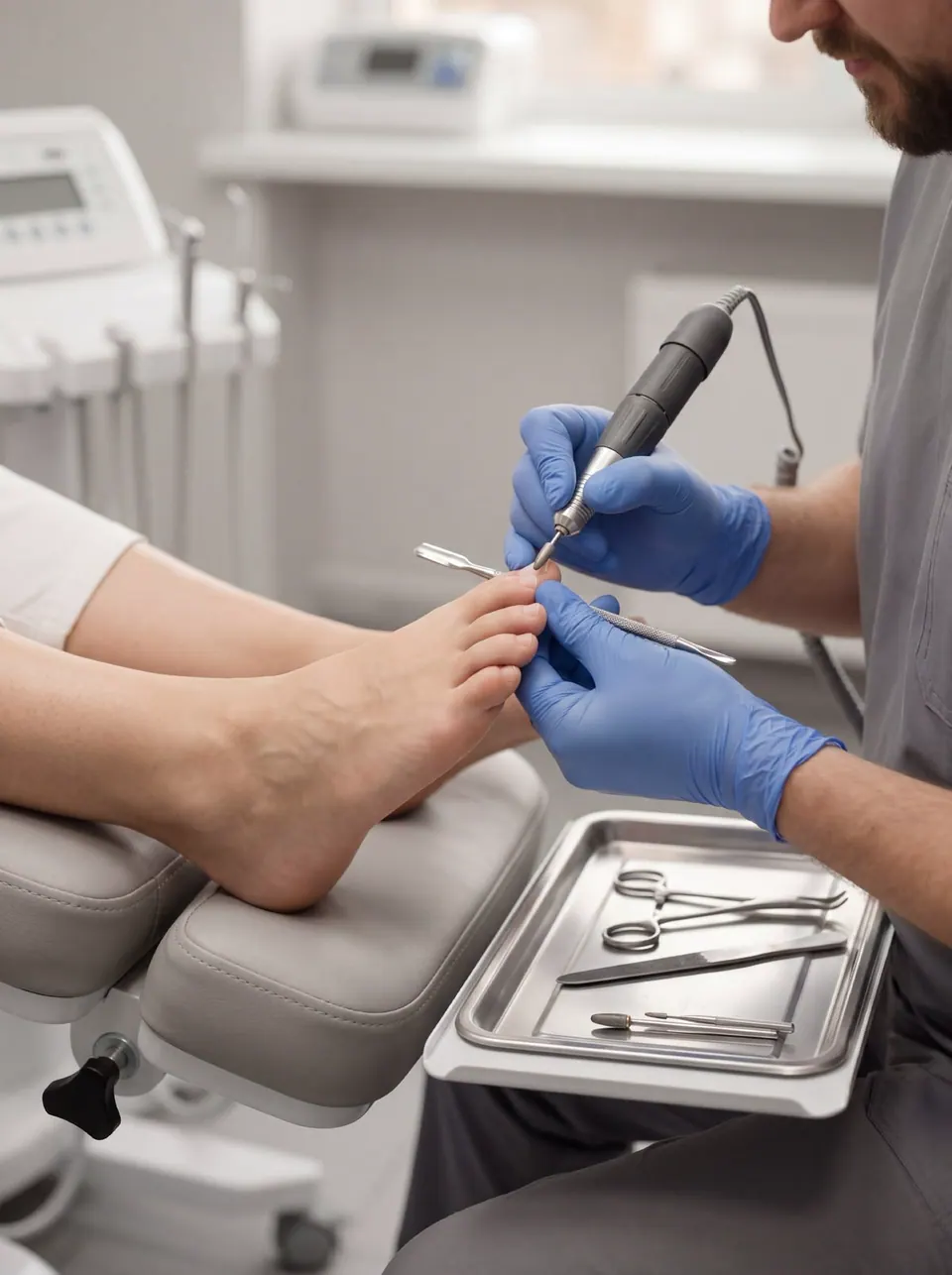
Nail Fungus (Onychomycosis): Signs, Causes and Treatment — Podiatrist Advice
Nail fungus (onychomycosis): yellow, thick, crumbling nails. Signs, lab confirmation, podiatric nail care and how long treatment takes. Podiatrists and dermatologists in Fergana and Kokand.
Read more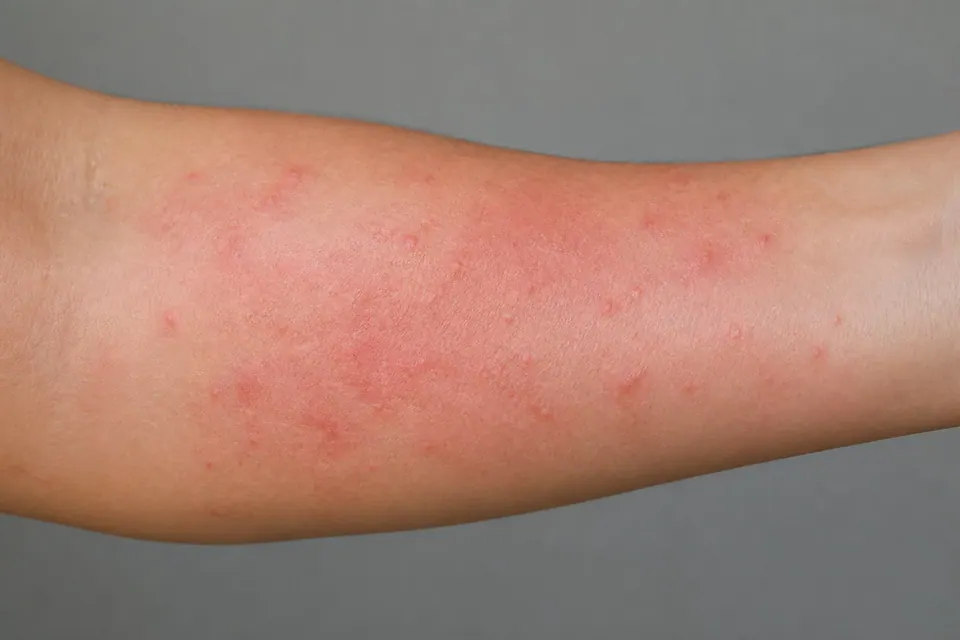
Skin Allergy and Hives: Symptoms, Causes and Treatment — When to Seek Urgent Help
Skin allergy and hives: itchy welts, redness and swelling. Causes, acute and chronic hives, when to call an ambulance and how it is treated. Dermatologists in Fergana and Kokand.
Read more