
Boils (Furuncles) and Folliculitis: Causes, Danger Signs and Why Not to Squeeze
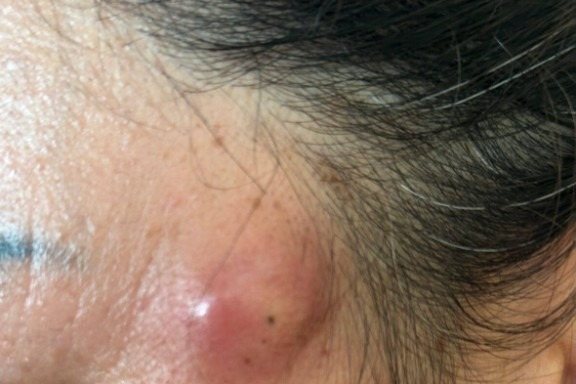
Boils and folliculitis: the difference, causes, stages, why a boil on the face is dangerous, what not to do at home and how they are treated. Dermatologists in Fergana and Kokand.
Key takeaways
- Folliculitis is a superficial inflammation around a hair, a boil is a deep lump with a core, a carbuncle is several merged boils
- Never squeeze a boil on the face, especially on the nose, upper lip or around the eyes
- Fever, a red streak, fast-growing swelling or several boils at once — see a doctor the same day
- Do not start antibiotics or folk remedies on your own — the doctor chooses the treatment
- When patients come early, many boils are treated without surgery
Boils (furuncles) and folliculitis are a bacterial inflammation of the hair follicle. They most often appear where the skin is shaved, and on the neck, armpits, thighs and buttocks. Usually the illness is mild, but a boil on the face or an infection with fever can lead to serious complications. That is why it helps to know when you can simply watch it and when you need a doctor the same day.
Folliculitis, boil and carbuncle — what is the difference?
- Folliculitis — small, superficial pus-filled spots around hairs with redness. There are usually several, and they may itch or sting slightly.
- Boil (furuncle) — a deep inflammation of the follicle and the tissue around it: a firm, painful red lump that develops a pus-filled "core" in the centre after a few days.
- Carbuncle — several boils merged together; a large, very painful area, often with fever and weakness.
The usual cause is staphylococcus, a bacterium that lives on the skin and enters the follicle through tiny breaks.
Folliculitis is easy to mistake for spots, but it is a different condition. Acne is linked to oil glands, hormones and blackheads; folliculitis is linked to infection, friction and shaving. More on acne: adult acne.
Causes and risk factors
- Friction — tight clothes, stiff collars, bag and backpack straps.
- Shaving and hair removal — especially with a blunt, dirty or shared razor.
- Heavy sweating and heat; more: hyperhidrosis.
- Small injuries — scratches, insect bites, scratching itchy skin.
- Diabetes and weakened immunity.
- Hot tubs and jacuzzis with poorly treated water.
- Shared towels and toiletries.
How does a boil develop?
- Firm lump — a hard, red, painful nodule forms under the skin, with swelling around it.
- Pus forms — after a few days a yellowish core shows in the centre and the pain increases.
- Healing — once the pus and core come out the pain eases, leaving a red mark or a small scar.
Folliculitis is usually superficial and clears quickly once the cause is removed, but it can go deeper and turn into a boil.
See a doctor the same day if:
- the boil is on the face — especially on the nose, upper lip or around the eyes. This is the "danger triangle": infection here can spread through the veins into the skull. Never squeeze a boil in this area;
- you have fever, chills or marked weakness;
- a red streak spreads from the boil or the redness widens quickly;
- the swelling is very large or growing fast;
- several boils appear at once, or a carbuncle forms;
- the boil is in a child;
- you have diabetes or weakened immunity — infections run a harder course (on skin and foot care in diabetes: foot care in diabetes);
- boils keep coming back.
If facial swelling grows quickly, an eyelid swells shut, or you develop a severe headache or high fever, do not wait — call an ambulance (103).
What not to do at home
- Squeezing the boil — the infection can be pushed deeper and into the blood.
- Piercing it with a needle, blade or scissors.
- Putting hot compresses on a boil on the face.
- Folk remedies — onion, dough, ointments of unknown content.
- Starting antibiotics on your own — tablets or creams. This makes diagnosis harder and helps bacteria become resistant.
- Shaving or waxing the inflamed area.
What you can do: keep the skin around it clean, cover it with a clean dry dressing, wash your hands often and see a doctor.
Diagnosis and treatment at the clinic
The dermatologist examines the area and tells a boil apart from folliculitis, an inflamed cyst, acne and other conditions. If needed, a swab of the discharge is sent for culture. The doctor chooses treatment for each situation:
- local care and topical treatments prescribed by the doctor;
- if needed, oral medicines prescribed by the doctor;
- for a large boil full of pus, opening and cleaning (drainage) by a surgeon under sterile conditions.
When patients come early, many boils are treated without surgery. In our practice there is a case of a boil on the face that healed without any incision thanks to treatment started in time. In every case the doctor decides the approach.
If boils keep returning, the doctor may suggest checking blood sugar, staphylococcus carriage and other factors that affect immunity. Which tests are needed is the doctor's decision.
Prevention and everyday care
- Shave with a clean, sharp razor in the direction of hair growth; never share your razor.
- Use only your own towel and toiletries.
- Treat heavy sweating and shower after sport and heat.
- Wear loose cotton clothing.
- Do not scratch your skin or squeeze spots.
- If you have diabetes, keep your blood sugar under control.
- If folliculitis keeps coming back after shaving, discuss laser hair removal with your doctor: laser hair removal.
Treatment of boils and folliculitis in Fergana and Kokand
At Radeski Skin Clinic a dermatologist examines the area, assesses danger signs and draws up a treatment plan.
Do not squeeze a boil: an early visit often makes it possible to treat it without surgery.
When to see a doctor
- A boil on the face — on the nose, upper lip or around the eyes
- Fever, chills or a red streak spreading from the boil
- The swelling is very large or growing fast
- Several boils at once, or a boil in a child
- Diabetes, weakened immunity or boils that keep coming back
Frequently asked questions
Hashtags
#Boils#Furuncle#Folliculitis#Carbuncle#Dermatologist#Fergana#Kokand#RadeskiSkinClinic
Important note: This article is for general information only and does not replace a medical consultation.
Related clinic services
More helpful articles
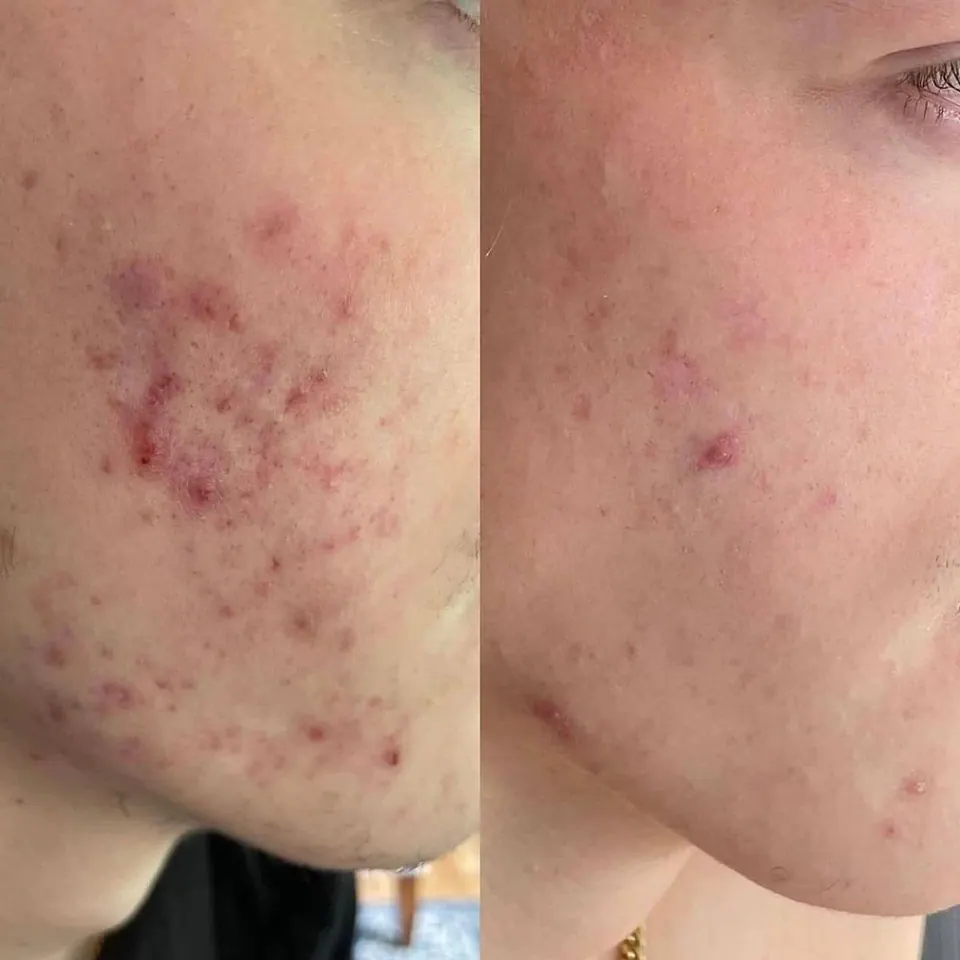
Adult Acne: Causes, Treatment and When to See a Dermatologist
Why acne appears in adults, how it is treated and when to see a dermatologist. Dermatology visits at Radeski Skin Clinic in Fergana and Kokand.
Read more
Acne: Causes, Symptoms, and Modern Treatment Options
Learn why acne develops, how to recognize symptoms, and which dermatology treatments are available in Fergana and Kokand at Radeski Skin Clinic.
Read more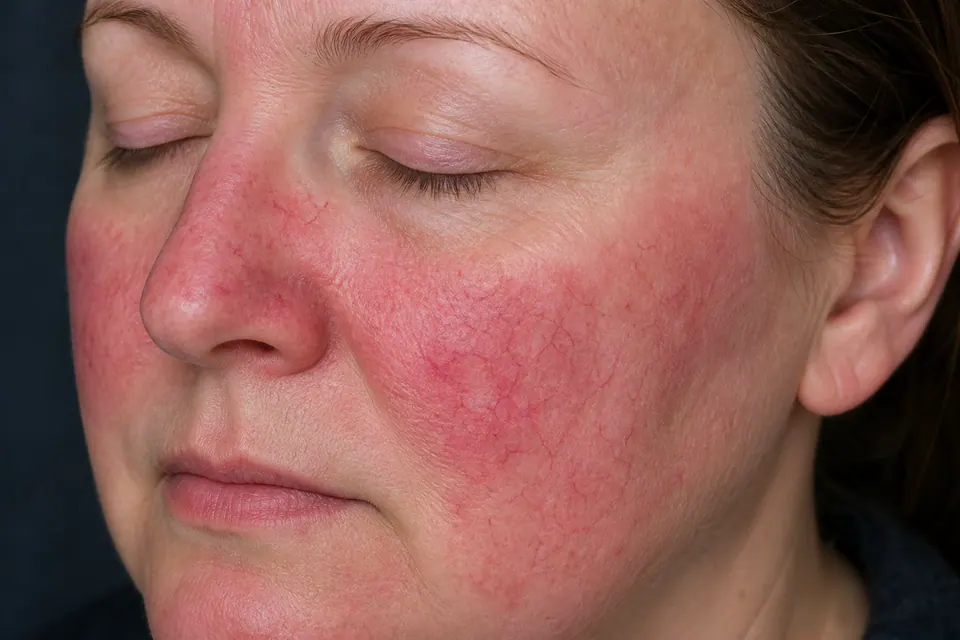
Demodicosis: Facial Redness and Spots — Signs, Testing and Treatment
Demodicosis: facial redness, spots, itching and rough skin. What the Demodex mite is, how it differs from acne and rosacea, the scraping test, treatment and care. Dermatologists in Fergana and Kokand.
Read more