
Excessive Sweating (Hyperhidrosis): Underarms, Palms and Feet — Causes and Treatment
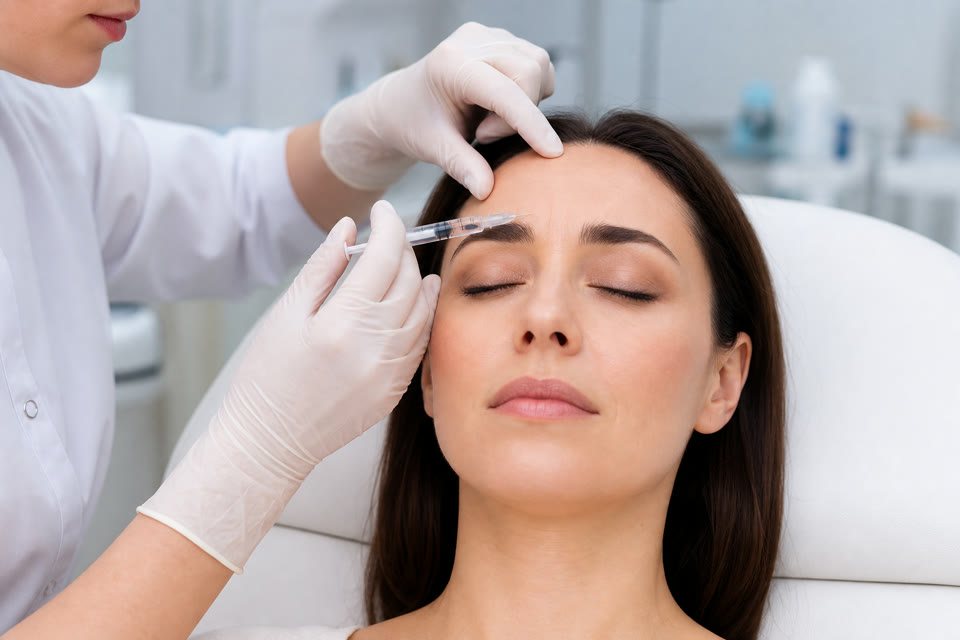
Excessive sweating (hyperhidrosis) of the underarms, palms and feet: how it differs from normal, causes, warning signs, everyday measures and botulinum therapy. Dermatologists in Fergana and Kokand.
Key takeaways
- Hyperhidrosis means the sweat glands work more than needed — and it can be treated
- Primary hyperhidrosis starts young, is symmetrical and does not happen at night
- Whole-body sweating and night sweats can be a sign of another illness — get checked
- Apply antiperspirant in the evening to dry skin; choose natural fabrics and breathable shoes
- Botulinum therapy typically reduces underarm and palm sweating for several months; the doctor decides if it suits you
Sweating is normal: in the heat, during exercise or when we are nervous, sweat cools the body. But in some people the sweat glands work far harder than needed: palms are wet even in a cool room, underarm patches show on clothes within minutes, feet are always damp. This is called hyperhidrosis. It is usually not dangerous, but it noticeably affects quality of life — and it can be treated.
Normal sweating vs hyperhidrosis
Think about hyperhidrosis if:
- you sweat heavily even at rest, without heat or exertion;
- you change clothes several times a day, and they show patches and yellowish marks;
- shaking hands or holding paper, a phone or a pen feels awkward;
- your feet slip in your shoes and smell unpleasant;
- you avoid work, study or social situations because of sweating.
Primary and secondary hyperhidrosis
Primary (focal) hyperhidrosis is the most common type. It is not a sign of another disease: the nerve signals that control the sweat glands are simply more active. It usually:
- starts in childhood or the teenage years and often runs in families;
- affects specific areas — underarms, palms, soles, sometimes the face and forehead;
- is symmetrical on both sides;
- hardly happens during sleep, but gets worse with excitement and stress.
Secondary hyperhidrosis is the result of another condition. It more often affects the whole body, starts suddenly in adulthood and continues at night. Causes include:
- an overactive thyroid;
- diabetes and drops in blood sugar;
- infections;
- side effects of some medicines;
- menopause and other hormonal changes.
Then the cause must be found first: the doctor orders tests and, if needed, refers you to an endocrinologist or a general physician.
When to see a doctor urgently
- heavy night sweats together with weight loss or fever;
- sweating that started suddenly, for no reason, and covers the whole body;
- sweating with a racing heart, trembling hands or weakness;
- sweating on one side only, for example one palm;
- a cold sweat with chest pain or shortness of breath — this is an emergency, call an ambulance.
What not to do at home
- do not cut down on drinking — you will not sweat less, but you will get dehydrated;
- do not dry the skin with alcohol, vinegar or other harsh products — it becomes irritated and itchy;
- do not take "anti-sweating pills" on your own;
- do not apply antiperspirant right after shaving your underarms — it can sting and inflame the skin;
- do not ignore itching, whitish skin or cracks on your feet.
Everyday measures
- Clothing — loose, natural fabrics such as cotton and linen; patches show less on dark or patterned clothes.
- Shoes — breathable leather or mesh; alternate two pairs and let them dry well.
- Socks — cotton, changed once or twice a day.
- Hygiene — a daily wash and thorough drying of the skin, especially between the toes.
- Antiperspirant — apply it in the evening to clean, dry skin: the sweat glands are less active at night, so it works better. If your skin gets irritated, talk to a doctor.
- Spicy food, coffee and alcohol make some people sweat more.
Botulinum therapy for underarms and palms
If everyday measures are not enough, the doctor may suggest botulinum therapy. Most people know it as a treatment for wrinkles (botulinum therapy and expression lines), but botulinum toxin is also used for excessive sweating.
- How it works — the product temporarily blocks the signal from the nerve to the sweat gland, so the gland produces less sweat. The sweat glands themselves are not removed.
- The procedure — several tiny injections with a very fine needle; it is quick, and you can return to your usual day afterwards.
- The result — the effect starts within a few days and typically lasts several months, after which the procedure is repeated. How long it lasts varies from person to person.
- Temporary effects — mild soreness, redness or a small bruise at the injection site; on the palms, sometimes brief weakness in the fingers.
Contraindications include pregnancy and breastfeeding, neuromuscular diseases, and infection or inflammation at the injection site. The doctor decides after an examination whether it suits you.
Sweaty feet and fungus
A constantly damp foot is an ideal place for fungi and bacteria. Whitish skin, cracks, itching and an unpleasant smell between the toes may be athlete's foot; more: skin fungus. Fungus can spread to the nails too — nail fungus. Constant moisture in the underarms leads to chafing and itching: itchy skin. That is why reducing sweating is good for skin health as well.
Diagnosis and treatment at the clinic
The dermatologist asks when the sweating started, where it occurs, whether it happens at night and whether relatives have it. The examination checks the skin for chafing and signs of fungus. If secondary hyperhidrosis is suspected, blood tests, thyroid hormones and blood sugar are checked. Then a plan is made: everyday measures, topical products prescribed by the doctor, or botulinum therapy.
Hyperhidrosis treatment in Fergana and Kokand
At Radeski Skin Clinic a dermatologist and a cosmetologist determine the type of sweating, refer you for tests if needed and choose the right treatment.
- Dermatologist in Fergana and in Kokand;
- Cosmetologist in Fergana and in Kokand;
- Injectable cosmetology and botulinum therapy.
You do not have to live with excessive sweating: with the right diagnosis and treatment it can often be reduced significantly.
When to see a doctor
- Heavy night sweats with weight loss or fever
- Sweating started suddenly in adulthood and covers the whole body
- Sweating comes with a racing heart, trembling hands or weakness
- Sweating interferes with work, social life and daily activities
- Whitish skin, cracks, itching or a bad smell on the feet
Frequently asked questions
Hashtags
#Hyperhidrosis#Excessivesweating#Underarmsweating#Sweatypalms#Botulinumtherapy#Fergana#Kokand#RadeskiSkinClinic
Important note: This article is for general information only and does not replace a medical consultation.
Related clinic services
Videos on this topic

More helpful articles

Botox or Filler: What Is the Difference and Which One Do You Need
Botox or filler: the difference, which line and problem needs which, when they are combined and how long each lasts. Radeski — Fergana.
Read more
Botulinum Therapy: Expression Wrinkles, Botox, Dysport, and Aftercare
Botulinum therapy (Botox, Dysport, Xeomin): smoothing expression wrinkles, procedure steps, indications, aftercare, and FAQ — Radeski Skin Clinic.
Read more
Contour Enhancement: Hyaluronic Acid Fillers
Contour enhancement: hyaluronic fillers, Surgiderm 30XP, indications and aftercare — Radeski Skin Clinic.
Read more