
How to Prepare for a Dermatologist Visit: What to Bring and What Happens
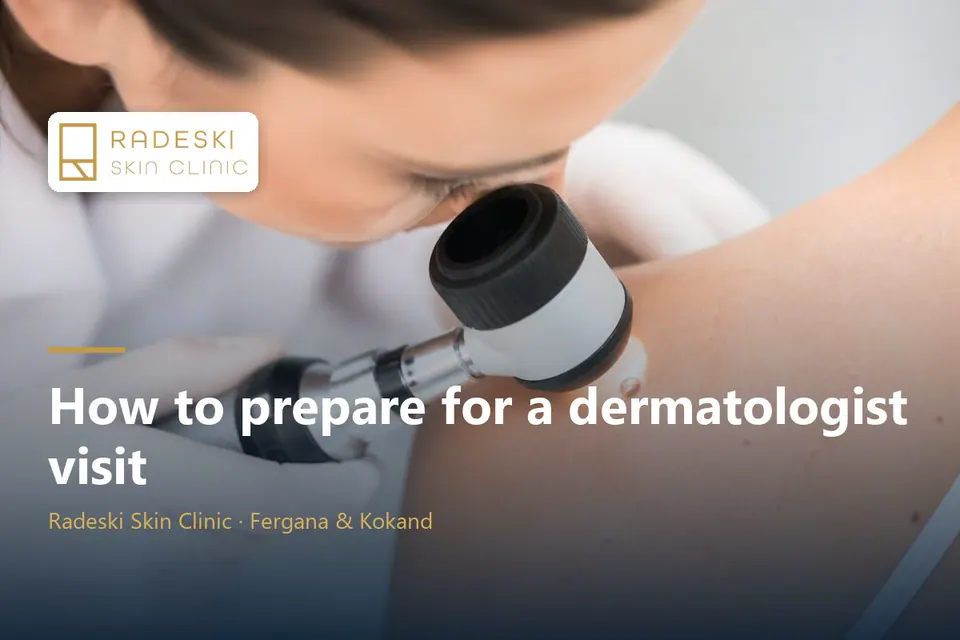
How to prepare for a dermatologist visit: what to bring, what not to do beforehand, what happens at the visit and which questions to ask. Fergana and Kokand.
Key takeaways
- Bring a list of medicines and creams, earlier tests and rash photos
- On the day, do not put cream on the rash; remove nail polish
- The visit is a talk, an examination, often dermatoscopy and tests if needed
- Do not stop medicines unless the doctor tells you
- If a mole changes or a rash spreads fast — go without waiting
A dermatologist visit usually takes 20–30 minutes. In that time the doctor has to understand the problem, examine your skin and make a plan. Patients who come prepared get an accurate diagnosis faster. Here is what to bring, what not to do and what happens at the visit.
What to bring
- A list of medicines and creams you use now or used in recent months, including ointments you bought yourself. If you can, bring the packs or photos of them.
- Earlier test results and reports — blood tests, biopsies, other doctors’ conclusions.
- Photos of the rash — if it comes and goes, photograph it at its worst.
- Your questions — write down the 2–3 most important.
What not to do before the visit
- Do not put cream on the rash on the day — the doctor needs to see the skin as it is.
- Remove nail polish if the problem is in your nails — a fungus test needs a clean nail.
- Before a mole check, do not tan and do not try to burn anything off yourself.
- Skip make-up if the problem is on your face.
- Do not stop medicines unless the doctor says so — especially steroids and tablets.
What happens at the visit
- Talk: when it started, what makes it worse, whether relatives have something similar, how you have treated it.
- Examination: the doctor looks at your skin and, if needed, hair and nails. A dermatoscope is often used — it shows moles and spots magnified, painlessly.
- Tests (if needed): a fungus test, blood tests, sometimes a biopsy when the diagnosis is unclear.
- Plan: diagnosis, treatment, home care and the follow-up date.
Useful questions to ask
- What is my diagnosis, and is it contagious?
- How long will treatment take and when will I see results?
- Which creams should I stop?
- Which signs mean I should come back straight away?
When not to wait
- A mole grows quickly, changes colour or shape, or bleeds.
- A rash spreads fast or comes with fever, pain or blisters.
- A sore has not healed for several weeks.
At Radeski
Dermatovenereologists see patients at the Fergana and Kokand branches. Dermatoscopy, the lab and biopsy are in one clinic, so the diagnosis is made without referrals elsewhere. First and follow-up visit prices are on the prices page.
Read more: Dermatologist in Fergana, Dermatologist in Kokand, Mole checks and dermatoscopy, Skin biopsy in Fergana.
When to see a doctor
- A mole is growing fast, changing colour or shape, or bleeding
- A rash is spreading fast or comes with fever or pain
- A sore has not healed for several weeks
- Itching keeps you awake
- Creams have not helped after 2–3 weeks
Frequently asked questions
Hashtags
#Dermatologist#Dermatologistvisit#Dermatoscopy#Skinconditions#Fergana#Kokand#RadeskiSkinClinic
Important note: This article is for general information only and does not replace a medical consultation.
Related clinic services
More helpful articles

Cold Sores (Herpes): Why They Come Back and How to Treat Them Fast
Cold sores (herpes): why they come back, the stages, how herpes spreads, antiviral treatment and when to see a doctor urgently. Dermatovenereologists in Fergana and Kokand.
Read more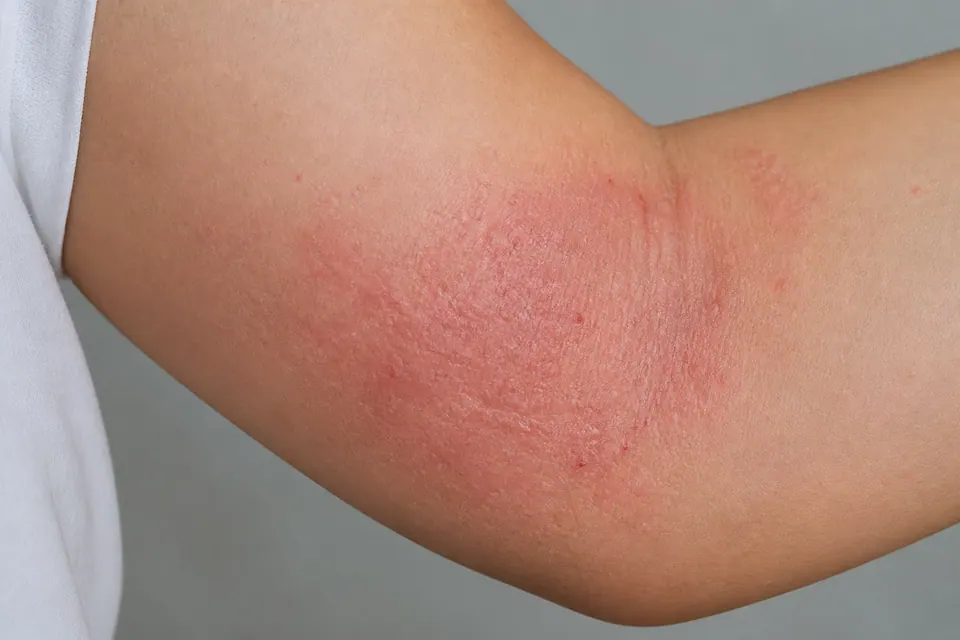
Eczema: Types, Causes and Treatment — Red, Weeping and Itchy Skin
Eczema: redness, blisters, weeping and intense itching. Types, causes, how it differs from psoriasis and fungus, treatment and winter hand care. Dermatologists in Fergana and Kokand.
Read more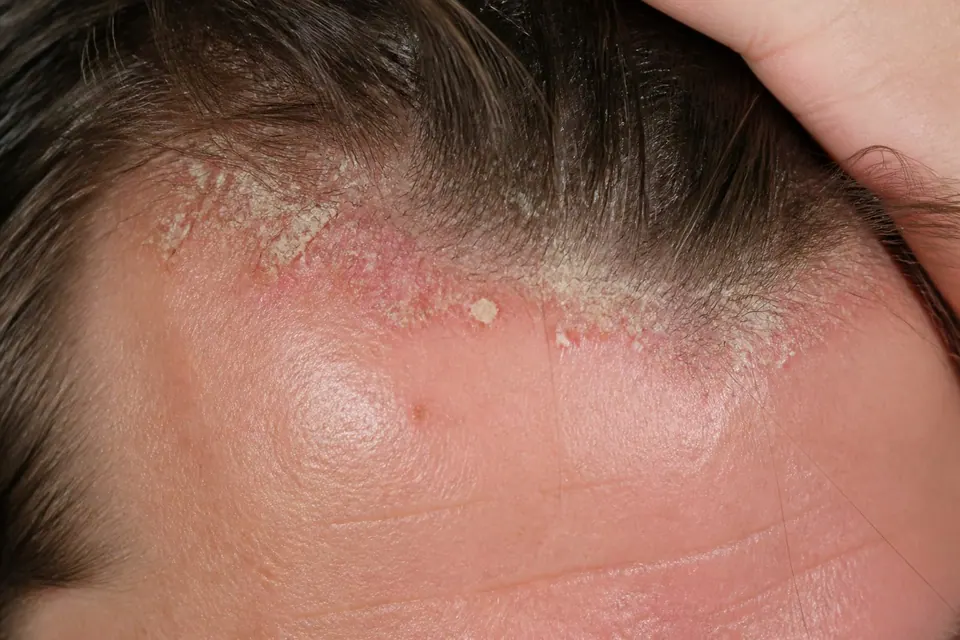
Seborrheic Dermatitis: Causes, Symptoms and Treatment — Dandruff and Facial Redness
Seborrheic dermatitis: dandruff, redness and flaking on the face and brows. Causes, how it differs from psoriasis and fungus, treatment and home care. Dermatology visits in Fergana and Kokand.
Read more