
Perioral Dermatitis: The Rash Around the Mouth — Causes and the Right Treatment
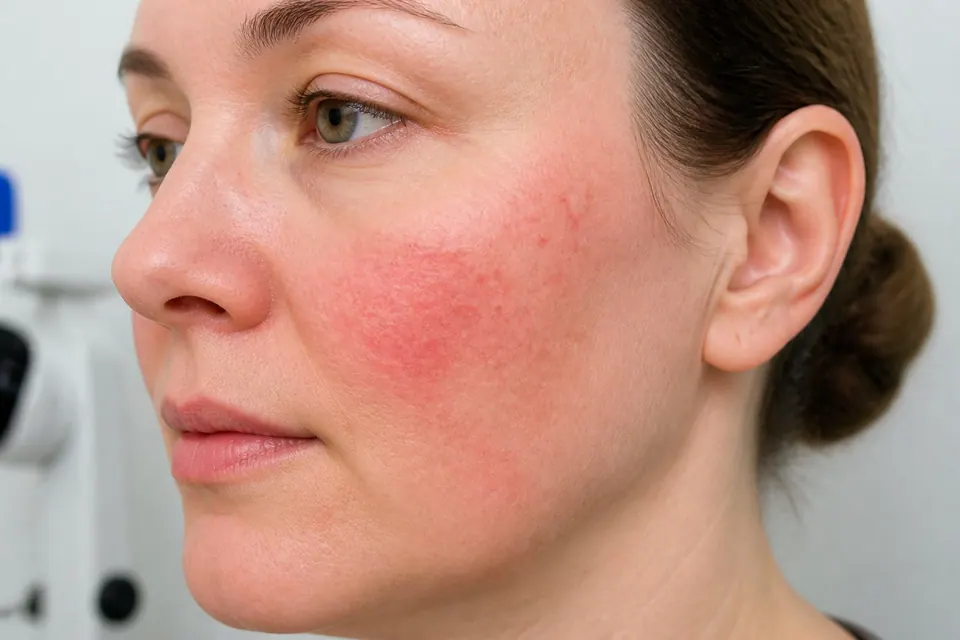
Perioral dermatitis: a rash of small red bumps around the mouth. Signs, the role of steroid creams and heavy cosmetics, how it differs from acne and rosacea, "zero therapy" and treatment. Dermatologists in Fergana and Kokand.
Key takeaways
- Perioral dermatitis is a rash of small red bumps around the mouth that spares the lip border
- The most common cause is steroid cream used on the face for a long time
- Stop a steroid cream together with your doctor — the rash may flare for a while
- "Zero therapy" plus prescribed treatment clears it within weeks
- It resembles acne, rosacea and demodicosis — a dermatologist makes the diagnosis
Perioral dermatitis is a rash of small red bumps around the mouth, sometimes in the nose-to-mouth folds and around the eyes. It is most common in women aged 20–45 and is often mistaken for acne or allergy. Its key feature: steroid creams calm it for a while but then make it worse. With the right approach it responds well to treatment.
What does perioral dermatitis look like?
- small red bumps, sometimes pustules, around the mouth, on the chin and in the nose-to-mouth folds;
- a thin strip of clear skin along the lip border — a characteristic sign;
- dry, flaky skin;
- more burning and tightness than itching;
- sometimes the rash spreads around the eyes and nose.
What triggers it?
- Steroid creams — the most common cause: a steroid cream used on the face for a long time, or nasal sprays;
- heavy, greasy creams and layered cosmetics;
- foundation and powder;
- hormonal changes and some contraceptives;
- in some people, fluoride toothpaste and lipstick.
How it differs from other conditions
Look-alikes include:
- acne — with comedones (blackheads), and spots elsewhere on the face;
- rosacea — persistent redness and visible vessels in the centre of the face;
- demodicosis — an overgrowth of Demodex mites, found on a skin scraping;
- seborrheic dermatitis — greasy flakes, also on the eyebrows and scalp;
- contact dermatitis — a reaction to cosmetics or toothpaste.
A dermatologist makes the diagnosis with an examination and dermoscopy, and a scraping when needed.
How is it treated?
- Stopping the steroid cream — do this together with your doctor: stopping suddenly can make the rash flare for 1–2 weeks. That does not mean treatment has failed — the doctor will plan how to ease this period.
- "Zero therapy" — pausing all creams, foundations and scrubs and washing the face only with lukewarm water or a very gentle cleanser.
- Treatment — topical products prescribed by the doctor and, in more severe cases, tablets. The course lasts several weeks.
Once the skin clears, reintroduce cosmetics gradually, starting with simple, light products.
Keeping it from coming back
- Use steroid cream on the face only when a doctor prescribes it, and only briefly.
- Use fewer, lighter products.
- Remove make-up every evening with a gentle cleanser.
- Rinse the skin around your mouth with water after brushing your teeth.
- Do not "protect" your face with very greasy creams in winter.
Perioral dermatitis treatment in Fergana and Kokand
At Radeski Skin Clinic a dermatologist-cosmetologist examines the rash, tells perioral dermatitis apart from acne, rosacea and demodicosis, and plans how to stop a steroid cream safely and treat the rash.
- Facial redness — in brief and Rosacea — in brief;
- Rosacea treatment in Fergana and in Kokand;
- Dermatologist in Fergana and in Kokand.
Do not reach for a "stronger" cream for a rash around the mouth: more often it needs fewer creams and the right treatment.
When to see a doctor
- A rash around the mouth lasts more than 2 weeks
- The rash got worse after stopping a steroid cream
- It spreads around the eyes and nose
- Acne creams do not help
- Burning and tightness affect daily life
Frequently asked questions
Hashtags
#Perioraldermatitis#Rasharoundthemouth#Steroidcream#Rosacea#Cosmetologist#Fergana#Kokand#RadeskiSkinClinic
Important note: This article is for general information only and does not replace a medical consultation.
Related clinic services
More helpful articles
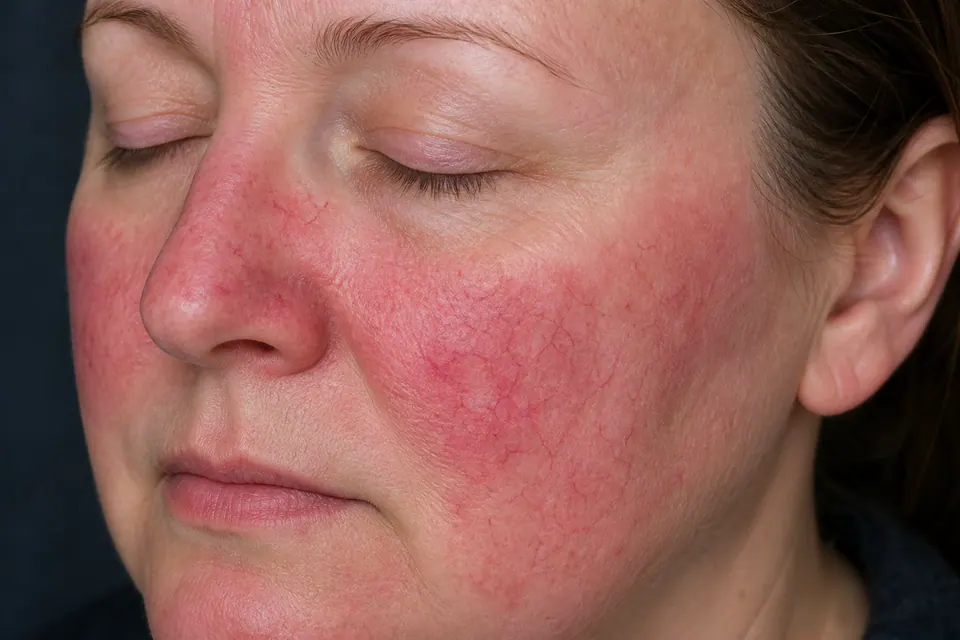
Demodicosis: Facial Redness and Spots — Signs, Testing and Treatment
Demodicosis: facial redness, spots, itching and rough skin. What the Demodex mite is, how it differs from acne and rosacea, the scraping test, treatment and care. Dermatologists in Fergana and Kokand.
Read more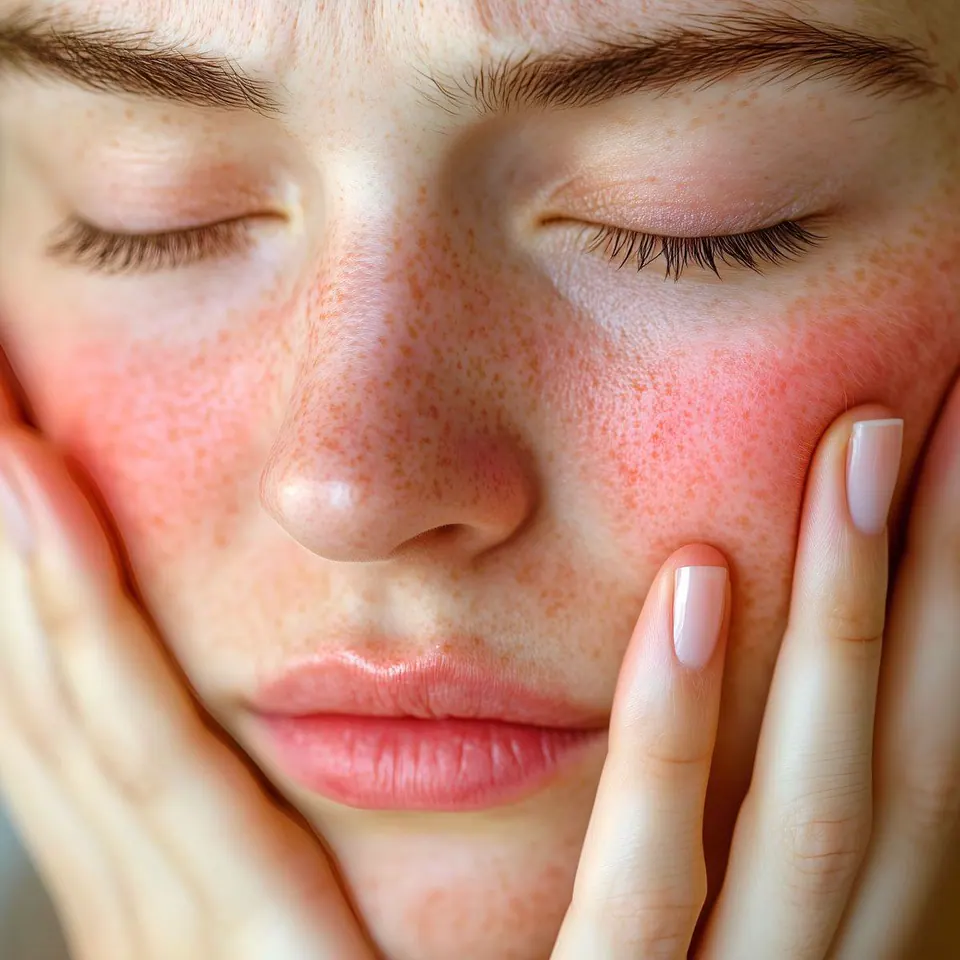
Rosacea Treatment at Radeski Skin Clinic — Facial Redness and Vessels
Rosacea care at Radeski Skin Clinic: diagnosis, medicines, IPL and vascular laser, care for sensitive skin. The aim is symptom control and a longer quiet period.
Read more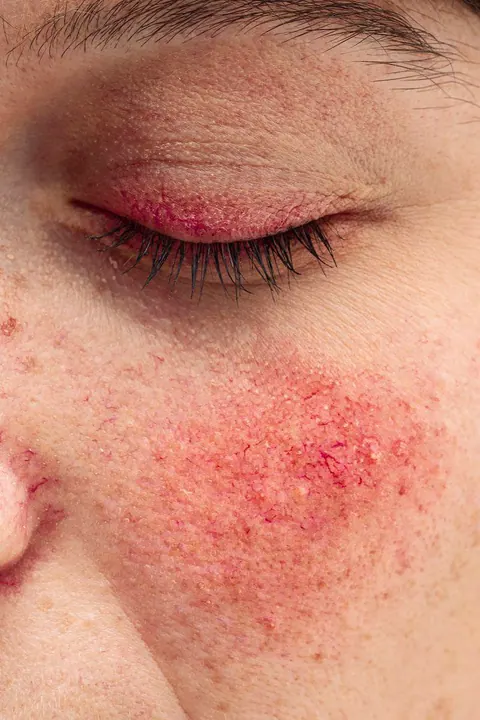
Facial Vascular Network Treatment with Lutronic Derma V — Radeski Skin Clinic
Facial spider vein and vascular network treatment with Lutronic Derma V at Radeski Skin Clinic: couperose, telangiectasias, redness. 532/1064 nm laser, cooling, personal protocol.
Read more