Radeski Skin Clinic
Mohs Micrographic Surgery in Fergana and Kokand
Surgical Dermatology

Mohs Micrographic Surgery in Fergana and Kokand

Mohs surgery removes certain skin cancers layer by layer, with the margins of each layer checked under the microscope during the operation itself. This lets the surgeon confirm that the tumour has been fully removed while sparing as much healthy tissue as possible.

About this service

Mohs micrographic surgery: precise, tissue-sparing removal of skin cancer

Mohs surgery removes certain skin cancers layer by layer, with the margins of each layer checked under the microscope during the operation itself. This lets the surgeon confirm that the tumour has been fully removed while sparing as much healthy tissue as possible.

When it is used

The method is used mainly for basal cell carcinoma and some squamous cell carcinomas, especially when the tumour sits where saving tissue matters, such as the face, nose, ears, eyelids or lips. It is also considered for recurrent tumours and those with poorly defined borders. Not every skin cancer needs Mohs; in many cases standard excision or other methods are sufficient.

Read more (3)

Steps of the surgery

The procedure is done under local anaesthesia. The surgeon removes the visible tumour with a thin margin, maps the tissue and prepares it for microscopic examination. If tumour cells are found at the edge, an extra layer is taken only from that spot, and the process is repeated until the margins are clear. The wound is then stitched or closed by another method, depending on the situation.

How the decision is made

The decision to use Mohs surgery is made by a dermato-oncologist based on examination, dermoscopy and usually a prior biopsy. At Radeski, the doctor assesses the type, size and location of the tumour and explains which treatment suits your particular case. Sometimes treatment in cooperation with another specialised centre may be recommended.

After surgery

Because each layer takes time to examine, the procedure can last several hours. In the following days it is important to follow wound-care instructions and return on time to have stitches removed. Anyone who has had skin cancer is advised to have regular dermatology check-ups and use sun protection so that new changes are caught early.

If you have been diagnosed with skin cancer or suspect it, book a Radeski dermato-oncologist in Fergana or Kokand — the doctor will explain your treatment options in detail.
Conditions we treat

When to visit

  • Facial basal cell carcinoma
  • Squamous cell carcinoma
  • Recurrent skin cancer
  • Lesions in cosmetically sensitive areas
  • Need for precise margin control

Solutions we offer

  • Mohs micrographic surgery
  • Layer-by-layer microscopic exam
  • Cosmetic closure
  • Histologic margin control
  • Postoperative follow-up

Why Radeski?

  • High cure precision
  • Tissue preservation
  • Complete tumor removal
  • Ideal for facial areas

How it works

  1. Consultation and planning

  2. First layer excision and microscopy

  3. Additional layers if needed

  4. Closure and suturing

At the Fergana and Kokand branches

Articles

Helpful articles for this service

Articles from our doctors on symptoms, treatment, and prevention for this specialty.

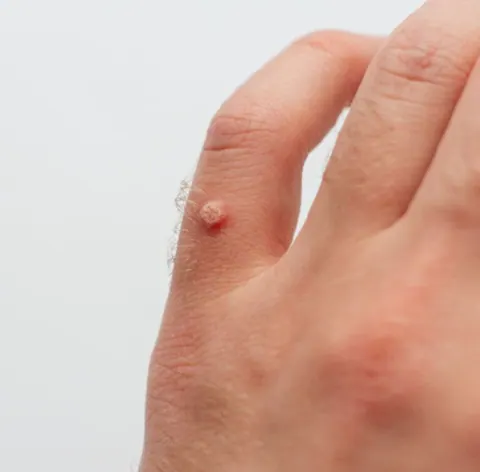
Skin Papillomas: Why They Appear and How to Remove Them Safely
2026-11-02
#Fergana#Kokand#RadeskiSkinClinic#Papillomas

Skin Papillomas: Why They Appear and How to Remove Them Safely

Papillomas: types, how they differ from warts, why home removal is risky, removal with CO₂ laser and radiowave, aftercare. Dermatologists in Fergana and Kokand.

Read more
Seborrheic Keratosis: Is It Dangerous and How Is It Removed?
2026-11-09
#Fergana#Kokand#RadeskiSkinClinic#Seborrheickeratosis

Seborrheic Keratosis: Is It Dangerous and How Is It Removed?

Seborrheic keratosis: brown "age warts" after 40. Harmless, but it can look like melanoma — dermoscopy, removal methods and aftercare. Dermatologists in Fergana and Kokand.

Read more
DEKA CO₂ Laser: Modern Skin Rejuvenation and Treatment Without Surgery
2026-07-24
#Fergana#Kokand#RadeskiSkinClinic#CO₂laser

DEKA CO₂ Laser: Modern Skin Rejuvenation and Treatment Without Surgery

DEKA CO₂ laser in Fergana and Kokand: non-surgical rejuvenation, scars, post-acne, and better skin quality at Radeski Skin Clinic.

Read more
Scar Treatment with DEKA SmartXide CO₂ — Radeski Skin Clinic
2026-08-31
#RadeskiSkinClinic#DEKASmartXide#CO2laser#Postacne

Scar Treatment with DEKA SmartXide CO₂ — Radeski Skin Clinic

Treating deep scars and post-acne marks with DEKA SmartXide Touch CO₂ laser: mechanism, steps, and course at Radeski Skin Clinic.

Read more
Basal Cell Carcinoma (Basalioma): Symptoms, Causes, and Treatment
2026-08-10
#RadeskiSkinClinic#Basalioma#Basalcellcarcinoma#Skincancer

Basal Cell Carcinoma (Basalioma): Symptoms, Causes, and Treatment

Basal cell carcinoma (basalioma): how it looks, why it develops, when to see a doctor, and how it is treated — a practical guide from Radeski Skin Clinic.

Read more
Laser Scar Resurfacing: Making Scars Less Visible | Radeski Skin Clinic
2026-08-11
#Fergana#Kokand#RadeskiSkinClinic#Laserresurfacing

Laser Scar Resurfacing: Making Scars Less Visible | Radeski Skin Clinic

Laser scar resurfacing for marks after surgery, injury, burns and acne. Modern scar correction at Radeski Skin Clinic — doctor consult and a personal plan.

Read more
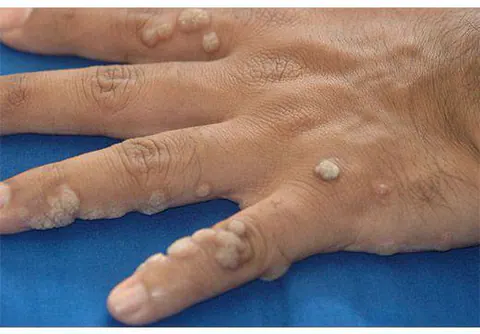
Warts in Children: Safe Removal with DEKA CO₂ Laser at Radeski Skin Clinic
2026-08-03
#Fergana#Kokand#RadeskiSkinClinic#Wartsinchildren

Warts in Children: Safe Removal with DEKA CO₂ Laser at Radeski Skin Clinic

Safe childhood wart removal in Fergana and Kokand with DEKA CO₂ laser at Radeski Skin Clinic: causes, when to treat, the procedure, and aftercare.

Read more
Laser Wart Removal in Children | Radeski Skin Clinic
2026-08-18
#Fergana#Kokand#RadeskiSkinClinic#Wartsinchildren

Laser Wart Removal in Children | Radeski Skin Clinic

Warts in children: causes, when removal is needed, and laser treatment at Radeski Skin Clinic. Dermatologist consultation and a personal plan.

Read more