
Atopic Dermatitis in Children: A Winter Care Plan for Parents
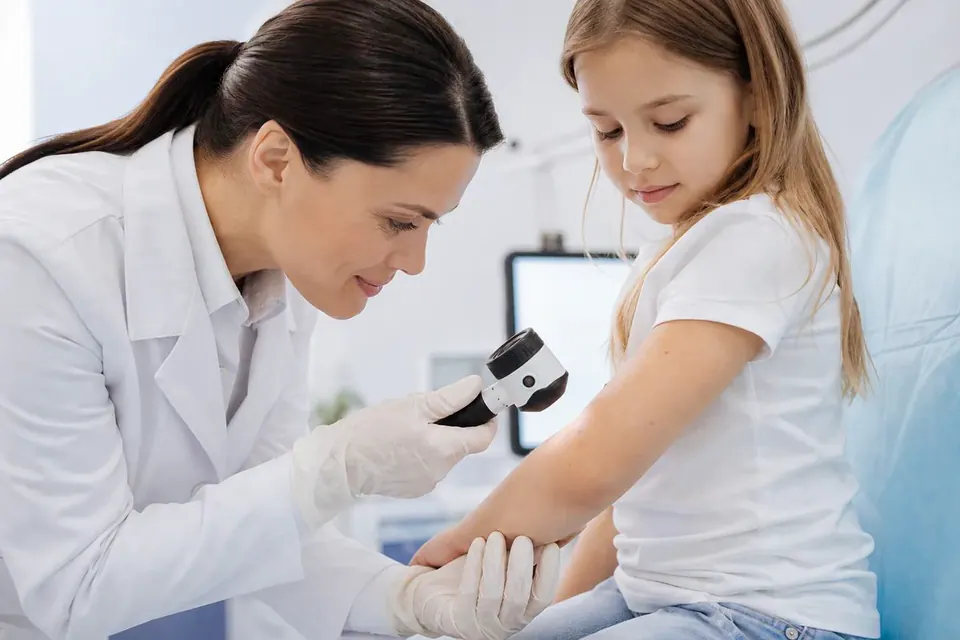
Why atopic dermatitis in children flares in winter: signs by age, a bathing and moisturising plan, red flags and what not to do. Paediatric dermatologists in Fergana and Kokand.
Key takeaways
- Dry air, hot water, wool and colds make atopic dermatitis worse in winter
- A short lukewarm bath, pat dry and generous emollient straight away — the daily basis
- Emollient goes on several times a day, and generously
- Diets and steroid creams without a doctor are risky; never stop prescribed treatment abruptly
- Pus, yellow crusts, fever or sudden painful blisters — see a doctor quickly
Atopic dermatitis is one of the most common long-term skin conditions in children. In winter many parents see skin that settled in autumn turn dry and red again, and a child who scratches at night. This is not a general overview but a practical winter plan: daily care at home, what to avoid and when to see a doctor quickly. For the general picture: atopic dermatitis and the atopic dermatitis page.
Why does it flare in winter?
In atopic dermatitis the skin barrier is weak: it holds moisture poorly and reacts easily. In winter several things hit it at once:
- dry heated air — indoor humidity drops sharply and the skin loses water;
- hot, long baths — hot water washes away the skin's natural oils;
- wool — coarse fibres rub the skin and make the itch worse;
- cold and wind — especially on the face and hands;
- colds and viral infections — often come just before a flare;
- over-dressing and sweating — sweat irritates the skin too.
Signs at different ages
- Babies (up to about 2 years) — redness, dryness and sometimes weeping on the cheeks, forehead and scalp, and on the outer sides of the arms and legs. The nappy area usually stays clear.
- Older children — dry, thickened, itchy patches in the elbow and knee folds, on the wrists, neck and ankles.
- At any age — strong itch, especially in the evening and at night; scratch marks.
To tell it apart from other childhood rashes: skin rashes in children.
The daily winter plan
- A short, lukewarm bath — 5–10 minutes, warm water, not hot. A mild, fragrance-free wash only where it is needed.
- Pat dry, don't rub — press the towel gently so the skin stays slightly damp.
- Moisturise straight away ("soak and seal") — within a few minutes of the bath apply an emollient (a softening, moisturising cream) all over: it seals in the water left in the skin. Repeat several times a day, especially after hand washing.
- Be generous with cream — many parents use far too little. Emollient goes on thickly and generously; a tub running out quickly is normal. Ask the doctor which product suits your child.
- Cotton clothes — the layer touching the skin should be cotton, with wool or synthetics on top. Don't over-wrap the child.
- Short nails — keep nails short and smooth; babies can wear cotton mittens at night.
- Room air — air the room every day and don't let the child sleep next to a heater; if the air is very dry a humidifier may help (keep it clean).
- Laundry — a mild, fragrance-free washing powder and a good rinse. Skip scented fabric softeners, perfumes and fragranced creams.
General winter skin-care rules: winter skin care.
Night-time itch and sleep
Itching often worsens at night. Keep the bedroom cool, apply emollient before bed and dress the child in light cotton pyjamas. If the child regularly wakes up scratching, the disease is active and it is time to review the treatment with the doctor. More on itch: itchy skin.
Food allergy myths
Parents often look for the cause of the rash in food and cut several foods from the child's diet. In most children atopic dermatitis is not driven by food alone. A diet without a doctor is risky: the child may miss the protein, calcium and vitamins needed for growth. If a specific food causes a fast reaction (swelling, hives, vomiting), tell the doctor; restricting it is decided only after an assessment.
Kindergarten and school
Tell the teacher that atopic dermatitis is not contagious. Give the child a small tube of emollient to apply after washing hands and after PE.
See a doctor quickly if:
- the skin weeps, yellow crusts or pus appear, or the child has a fever — this may be an infection;
- painful clustered blisters or small punched-out sores appear suddenly — this may be a severe herpes infection (eczema herpeticum) and needs a doctor the same day; more: herpes;
- the child sleeps poorly, does not gain weight or falls behind in growth;
- flares keep coming back despite good care.
What not to do at home
- buy a steroid cream at the pharmacy and use it without a doctor — or, the other way round, stop prescribed treatment abruptly on your own;
- put folk remedies on the skin (herbs, vinegar, alcohol, assorted oils);
- bathe the child in very hot water or scrub with a washcloth;
- rub the skin hard with a towel.
How is it treated at the clinic?
A paediatric dermatologist examines the skin, assesses severity, looks for triggers and rules out other conditions. The doctor chooses the treatment:
- topical anti-inflammatory treatment — prescribed by the doctor, on a clear schedule;
- phototherapy — in some cases for older children and teenagers;
- biological therapy — for severe disease, decided by a specialist; more: immunobiological therapy.
Atopic dermatitis comes in waves: the goal is fewer flares and good sleep. In many children it eases with age, but every child is different.
Paediatric dermatologist in Fergana and Kokand
At Radeski Skin Clinic a paediatric dermatologist assesses the skin during a winter flare and works out a care plan together with the parents.
This winter, be generous with cream and keep baths short and lukewarm — controlling atopic dermatitis starts with these simple habits.
When to see a doctor
- The skin weeps, or yellow crusts or pus appear
- The rash comes with a fever
- Painful clustered blisters or punched-out sores appear suddenly
- The child sleeps badly because of itch or does not gain weight
- Flares keep returning despite good care
Frequently asked questions
Hashtags
#Atopicdermatitis#Paediatricdermatologist#Eczemainchildren#Wintercare#Emollient#Fergana#Kokand#RadeskiSkinClinic
Important note: This article is for general information only and does not replace a medical consultation.
Related clinic services
More helpful articles
Rashes in Children: When to Worry and When to See a Dermatologist
Rashes in children: when to call an ambulance at once (the glass test), the most common causes, mistakes parents make and when to see a paediatric dermatologist. Fergana and Kokand.
Read more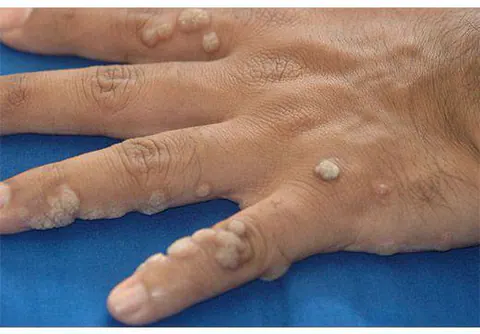
Laser Wart Removal in Children | Radeski Skin Clinic
Warts in children: causes, when removal is needed, and laser treatment at Radeski Skin Clinic. Dermatologist consultation and a personal plan.
Read more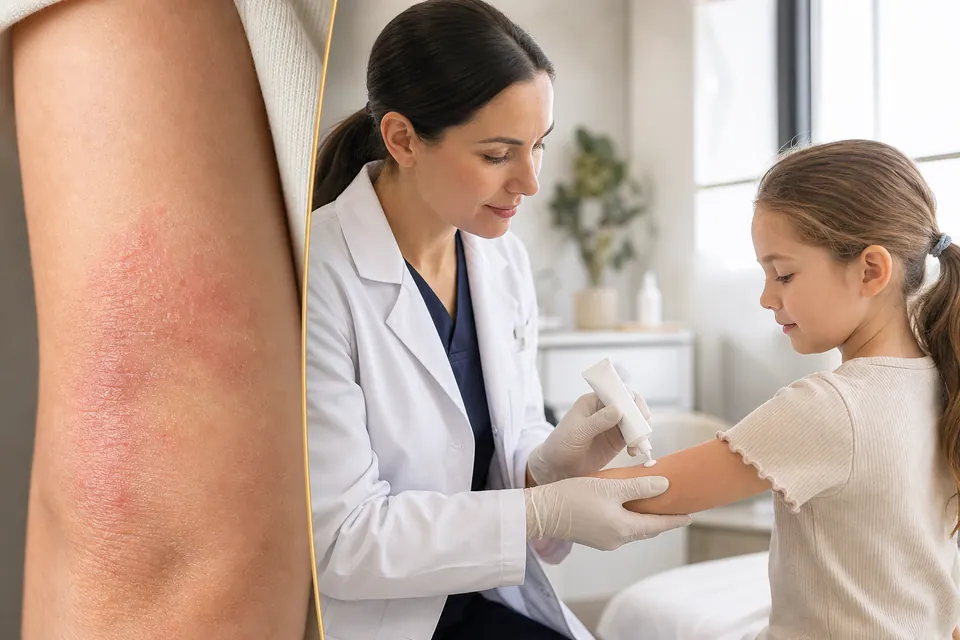
Atopic Dermatitis: Symptoms, Causes, and Modern Treatment
Atopic dermatitis is a chronic inflammatory skin condition marked by dryness, itching, and rashes. Learn about causes, symptoms, diagnosis, and modern treatment approaches.
Read more