
Chemical Peels: Skin Renewal, Who They Suit and Why Autumn and Winter Are Best
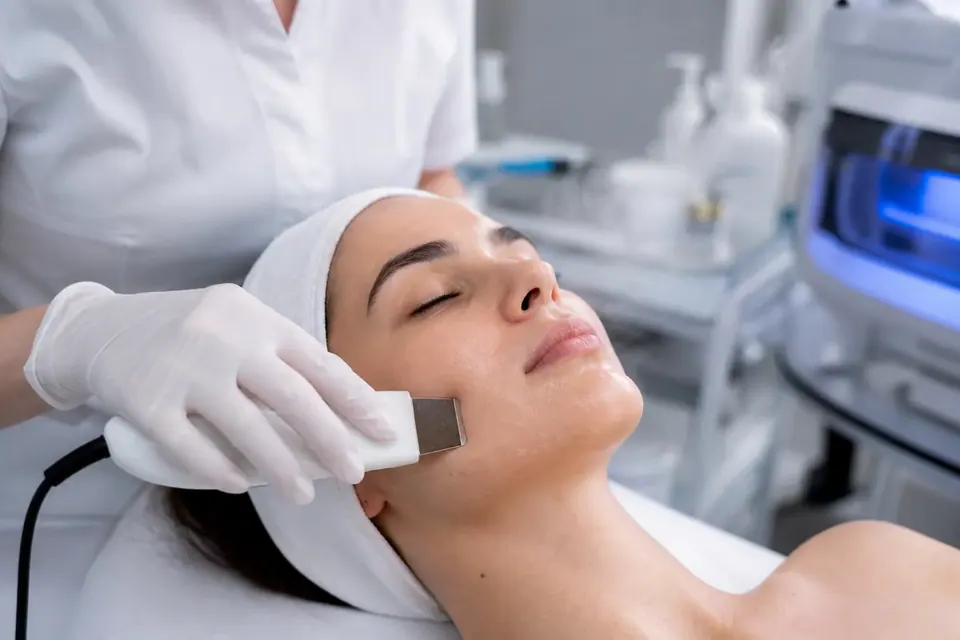
Chemical peels: how skin renews, superficial vs medium peels, what they help with, why autumn and winter, contraindications and aftercare. Cosmetologists in Fergana and Kokand.
Key takeaways
- A chemical peel is a controlled exfoliation that renews the top layer of the skin
- It helps with dullness, uneven tone, post-acne marks, fine lines and oily skin
- It will not fix deep scars or sagging; melasma needs a separate plan
- Autumn and winter suit a course of peels, but daily SPF is still a must
- A doctor chooses the peel; strong acids at home can leave burns and spots
A chemical peel is a controlled exfoliation of the top layers of the skin using special acid solutions. Old, dull cells come away and the skin starts to renew itself: the tone evens out and the face looks fresher and smoother. A peel is not just a cosmetic "cleanse" — it is a medical procedure that acts on the skin, so a doctor should choose and perform it.
How does a peel work?
The acid solution loosens the bonds between cells in the very top layer of the skin. Over the next few days this layer comes away in fine flakes, and newer, more even skin appears underneath. At the same time skin renewal and collagen production are stimulated.
By depth, peels fall into two main types:
- Superficial peels — act only on the top layer; recovery is quick and usually does not interfere with daily life. Often used for dullness, uneven tone and oily skin.
- Medium peels — work deeper; they have a stronger effect on post-acne marks, fine lines and pigment, but recovery takes longer and aftercare is stricter.
Which depth you need depends on your skin type, the problem and how much time you can give to recovery. On darker or sensitive skin the doctor usually starts with a gentler peel and watches how the skin reacts after the first session. A stronger peel does not always mean a better result.
What can a peel help with?
- dull, "tired" skin;
- uneven skin tone;
- marks and mild unevenness after acne — more: post-acne and post-acne as a condition;
- fine lines;
- oily skin and enlarged pores;
- some pigment spots — about skin spots.
What a peel will not fix
- deep scars — these usually need laser or other methods;
- deep wrinkles and sagging skin;
- active inflamed acne — it needs treating first;
- every kind of pigment: some spots, especially melasma, need a careful plan; more: melasma.
Why autumn and winter?
After a peel the new skin is very sensitive to the sun. In summer, strong sunlight raises the risk of new pigment spots. In autumn and winter the sun is lower and days are shorter, so this is the usual season for a course of peels. Sunscreen is still needed in winter, though. For laser options for pigment: treating pigment spots in winter.
Contraindications
- active herpes (cold sores) — more: herpes;
- open wounds, scratches or active inflammation in the treatment area;
- pregnancy and breastfeeding — many peels are not done at this time;
- a fresh tan, including from a tanning bed;
- some acne medicines, taken by mouth or strong ones applied to the skin.
The doctor asks about and checks all of this at the consultation.
How it goes at the clinic
- Consultation — the doctor examines the skin, assesses its type and the problem, and rules out contraindications.
- Preparation — sometimes home care is recommended for a few weeks before the procedure.
- The procedure — the skin is cleansed, the solution is applied and left for a set time under the doctor's watch. Mild stinging or warmth is normal.
- A course — results usually come from a course of several sessions, a few weeks apart.
The clinic uses professional peels, including PRX-T33, MCA-35 and T.C. Age by Innoaesthetics, and Me Line peel for pigmentation. The doctor chooses which one suits you based on your skin and your goal.
After the peel: normal vs warning signs
Normal: redness, a feeling of tightness, light flaking for a few days.
Call the clinic straight away if:
- blisters or crusts appear;
- strong pain or burning does not settle;
- the face swells noticeably;
- pus spots or a herpes rash appear.
Aftercare
- do not pick the flakes, rub the skin or use scrubs;
- gentle cleansing and a moisturiser;
- daily SPF — in winter and on cloudy days too;
- no sauna, steam bath or pool for a few days.
The dangers of home acid peels and salons without a doctor
Strong acids bought online, or a peel done in a salon without a doctor, can cause burns, scars and new pigment spots. On darker skin in particular, spots after a wrong peel can last a long time. Only a doctor can properly judge your skin type and the right strength of solution.
Another option for oily skin and pores is laser cleansing: carbon peel.
Chemical peels in Fergana and Kokand
At Radeski Skin Clinic a dermatologist-cosmetologist assesses your skin, chooses a suitable peel and follows the course.
- Cosmetologist in Fergana and in Kokand;
- Acne treatment in Fergana and in Kokand;
- Pigmentation treatment in Fergana and in Kokand;
- Ultrasonic facial cleansing and injectable cosmetology.
A well-chosen peel under a doctor's eye is a safe way to bring back an even skin tone in autumn and winter.
When to see a doctor
- Blisters or crusts appear after a peel
- Strong pain or burning does not settle
- The face swells noticeably
- Pus spots or herpes appear after a peel
- Spots remain after a home or salon peel
Frequently asked questions
Hashtags
#Chemicalpeel#Skinrenewal#Postacne#Pigmentation#Cosmetologist#Fergana#Kokand#RadeskiSkinClinic
Important note: This article is for general information only and does not replace a medical consultation.
Related clinic services
Videos on this topic



More helpful articles
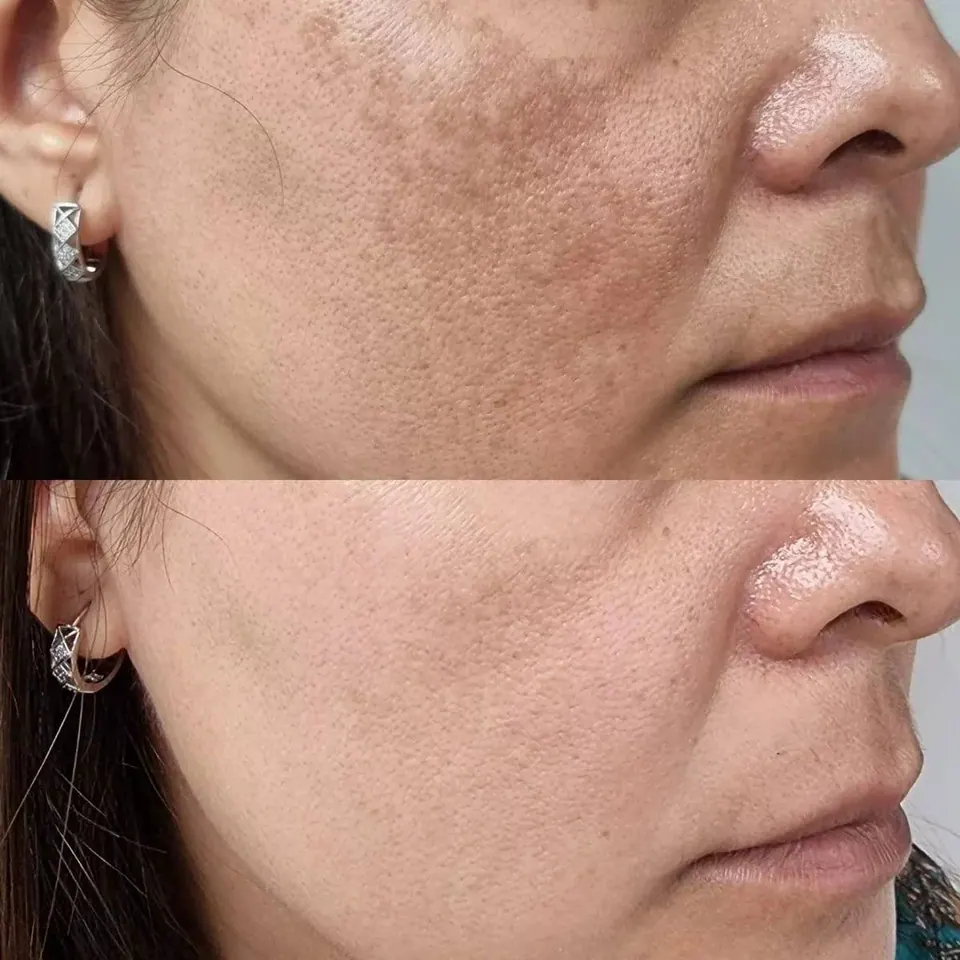
Pigment Spot Treatment: Why Autumn and Winter Are the Best Time
Why autumn and winter are the best time to treat pigment spots: sun spots, freckles, post-acne marks, dermoscopy first, IPL and laser, winter SPF. Cosmetologists in Fergana and Kokand.
Read more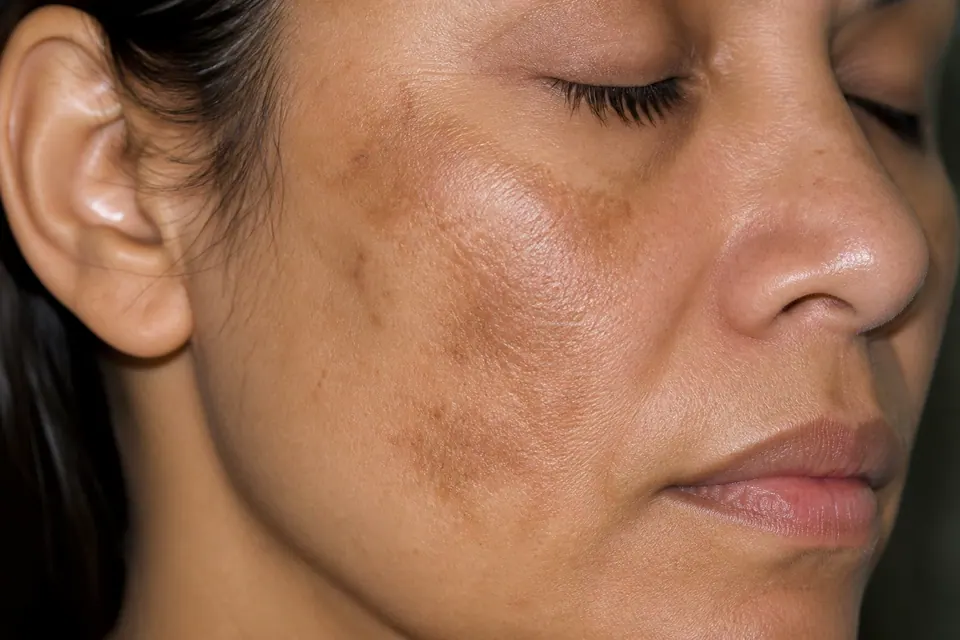
Melasma: Brown Patches on the Face — Causes and Modern Treatment
Melasma — brown patches on the face: causes (sun, hormones), how it differs from other spots, sun protection, creams, peels and laser toning. Dermatologists in Fergana and Kokand.
Read more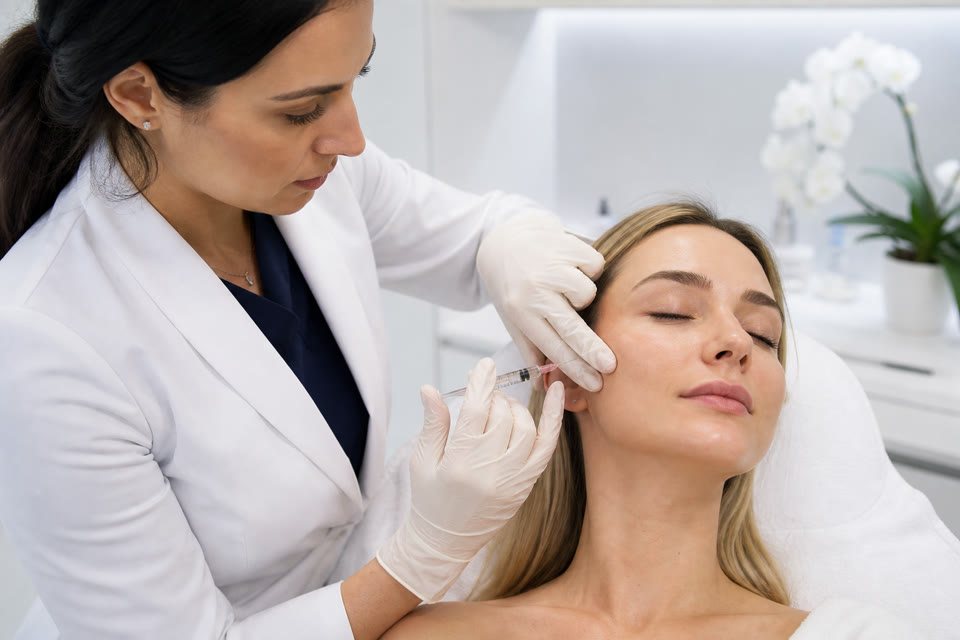
Dark Circles and Under-Eye Puffiness: Types, Causes and What Really Helps
Dark circles and under-eye puffiness: pigment, vascular and shadow types, causes of swelling, when to see a doctor and what helps at the clinic. Cosmetologists in Fergana and Kokand.
Read more