
Dark Circles and Under-Eye Puffiness: Types, Causes and What Really Helps
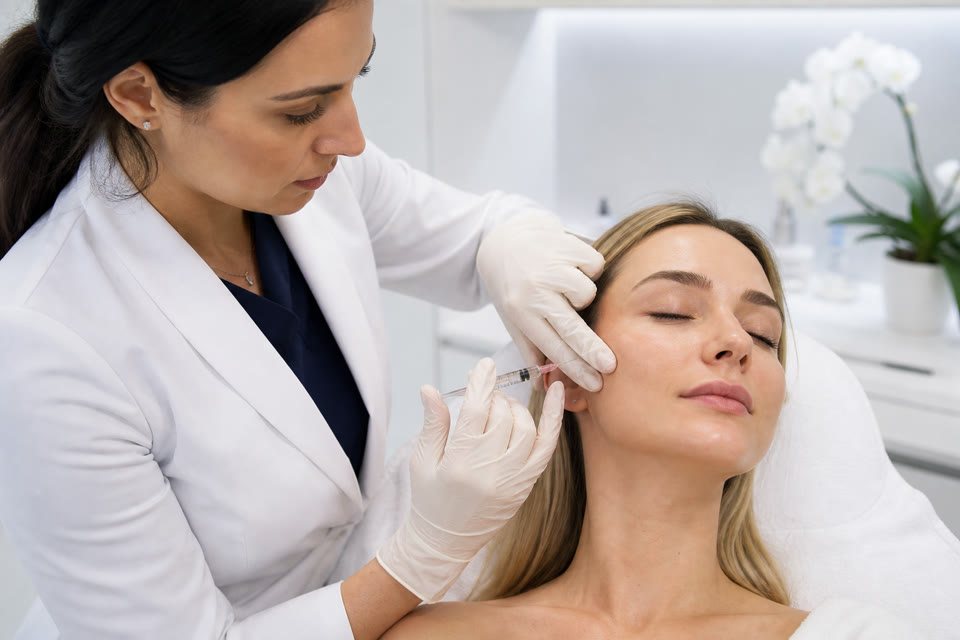
Dark circles and under-eye puffiness: pigment, vascular and shadow types, causes of swelling, when to see a doctor and what helps at the clinic. Cosmetologists in Fergana and Kokand.
Key takeaways
- Dark circles come in several types: pigment, vascular, shadow and mixed
- Constant puffiness, swollen legs or other symptoms call for a physician and tests
- Sudden, one-sided or painful swelling and an itchy rash are reasons to see a doctor
- Sleep, less salt, SPF, not rubbing and a cold compress genuinely help
- Treatment is chosen after examination; hereditary and bone-related types improve only partly
Dark circles and under-eye puffiness are among the most common questions people bring to a cosmetologist. You may have slept well and still look "tired". In fact, dark circles are not one problem: there are several types, and each needs a different approach. That is why the first step is finding the cause, and only then choosing a treatment.
Types of dark circles
- Pigment type — the skin is brownish. It is often hereditary; sun, frequent eye rubbing and allergies make it worse. It is more common in darker skin.
- Vascular type — the skin under the eyes is very thin, and the vessels beneath it show through as bluish or purple. It looks stronger with fatigue, lack of sleep and age.
- Shadow type — there is a hollow under the eye (the tear trough), and light creates a shadow in it. This is about structure: loss of fat tissue, age and bone shape.
- Mixed type — many people have two or three causes at once.
A simple observation: if you gently stretch the skin under the eye with a finger and the colour barely changes, it is more likely pigment; if the blue deepens, it is vessels; if the circles fade under direct light, it is a shadow. But the real answer comes from a doctor's examination.
Why does puffiness happen?
- a lot of salt, a lot of fluid at night, and alcohol;
- lack of sleep or irregular sleep;
- allergies — with itching, sneezing and watery eyes;
- fat tissue under the eyelid bulging forward with age ("bags");
- sometimes problems with the kidneys, thyroid or heart.
If morning puffiness goes down within a few hours, it is usually linked to lifestyle. If the swelling is constant, your legs swell too, or there are other signs — marked tiredness, weight change, changes in urine — see a general physician and have tests done. In that case finding the cause comes before any cosmetic procedure.
When you need a doctor rather than a cosmetologist
- the swelling appears suddenly or grows quickly;
- only one eye is swollen;
- the eyelid is red, painful, warm, or your vision changes;
- there is an itchy, flaky rash around the eyes — often eyelid dermatitis (contact allergy or eczema);
- there is a lump, bump or growing spot under the eye or on the eyelid.
Swelling together with difficulty breathing or swelling of the lips or tongue is an emergency — call an ambulance at once. More: skin allergy and hives. For tiny white bumps around the eyes: milia.
What not to do at home
- apply "whitening" creams, lemon, peroxide or home recipes around the eyes — the skin here is very thin and burns or dermatitis happen easily;
- have fillers or "vitamin injections" in a salon from someone who is not a doctor — the eye area has many vessels and complications can be serious;
- rub your eyes or massage hard — it makes pigment and puffiness worse;
- take water pills on your own to bring the swelling down.
What really helps at home
- regular 7–8 hours of sleep, with your head slightly raised;
- less salt and alcohol in the evening;
- if you have allergies, treat them with a doctor and do not rub your eyes;
- daily SPF and sunglasses — especially important for the pigment type;
- for morning puffiness, a cold compress (through a clean cloth) for 5–10 minutes;
- light eye creams — they moisturise and help a little, but their effect is limited.
How the clinic finds the cause and treats it
A dermatologist-cosmetologist examines the skin in good light and identifies the type of circles and the cause of puffiness. If the cause is internal, tests and the right specialist come first. Treatments are chosen only after the examination:
- Biorevitalization and skin-quality injections — dedicated products for eye-area rejuvenation, such as Rejuran; they make thin skin denser and more even in tone and help with the vascular type. More: biorevitalization.
- Tear-trough correction with filler — for the shadow type; done only by a doctor who knows facial anatomy. If puffiness is marked, filler may not be suitable.
- Laser and IPL — for pigment and visible vessels. More: treating pigment spots.
- Peels — for the pigment type, with a gentle formula suitable near the eyes. More: chemical peels.
- Laser biorevitalization — hydration and better skin quality without injections.
Results differ from person to person. Hereditary pigment and shadows caused by bone structure usually improve only partly — knowing this in advance keeps expectations realistic. Several methods are usually combined as a course, and SPF and good daily care help keep the result. If you have other spots on your face too: skin spots.
Dark circles and under-eye puffiness treatment in Fergana and Kokand
At Radeski Skin Clinic a dermatologist-cosmetologist identifies the type of circles, checks the cause of puffiness and suggests a plan that suits you.
- Cosmetologist in Fergana and in Kokand;
- Pigmentation treatment in Fergana and in Kokand;
- Biorevitalization, dermal fillers, laser biorevitalization.
Dark circles are treated not with "one cream" but by knowing their cause — start with a doctor's examination.
When to see a doctor
- Swelling appears suddenly or only one eye is swollen
- The eyelid is red, painful or your vision changes
- An itchy, flaky rash appears around the eyes
- Puffiness is constant or your legs swell too
- A lump or growing spot appears under the eye or on the eyelid
Frequently asked questions
Hashtags
#Darkcircles#Undereyepuffiness#Undereyebags#Biorevitalization#Cosmetologist#Fergana#Kokand#RadeskiSkinClinic
Important note: This article is for general information only and does not replace a medical consultation.
Related clinic services
More helpful articles
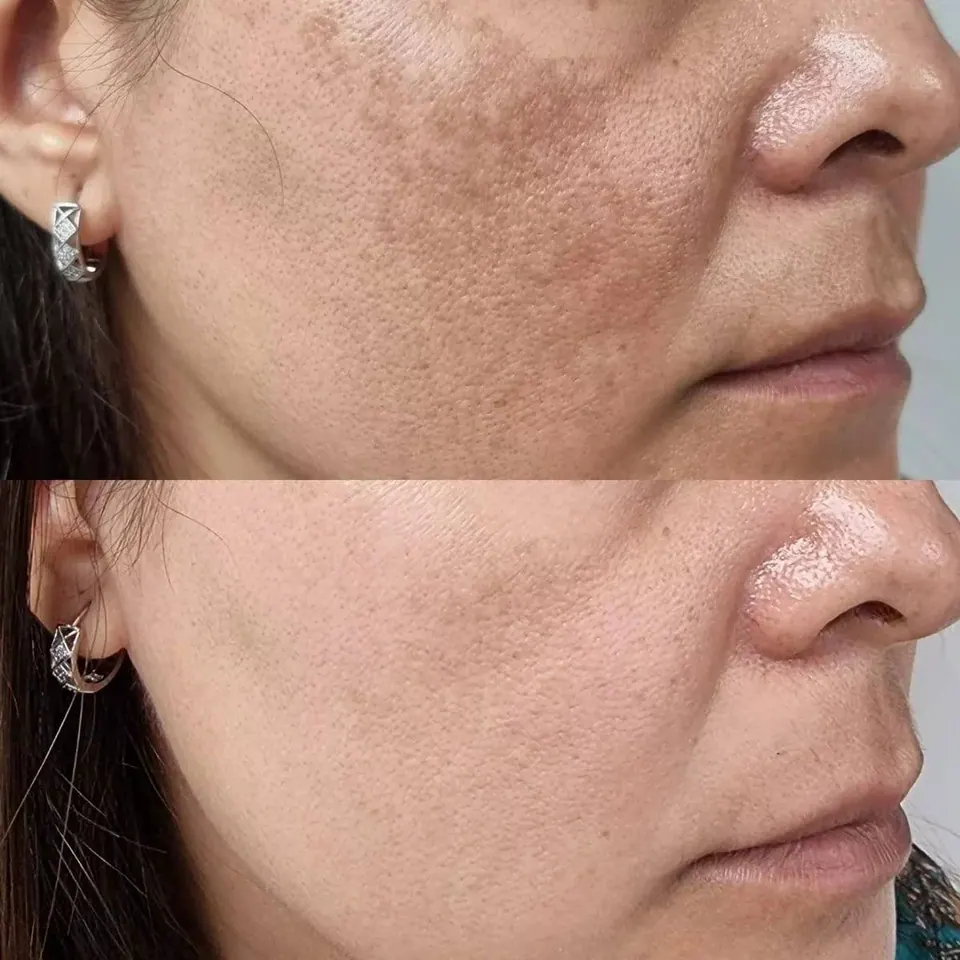
Pigment Spot Treatment: Why Autumn and Winter Are the Best Time
Why autumn and winter are the best time to treat pigment spots: sun spots, freckles, post-acne marks, dermoscopy first, IPL and laser, winter SPF. Cosmetologists in Fergana and Kokand.
Read more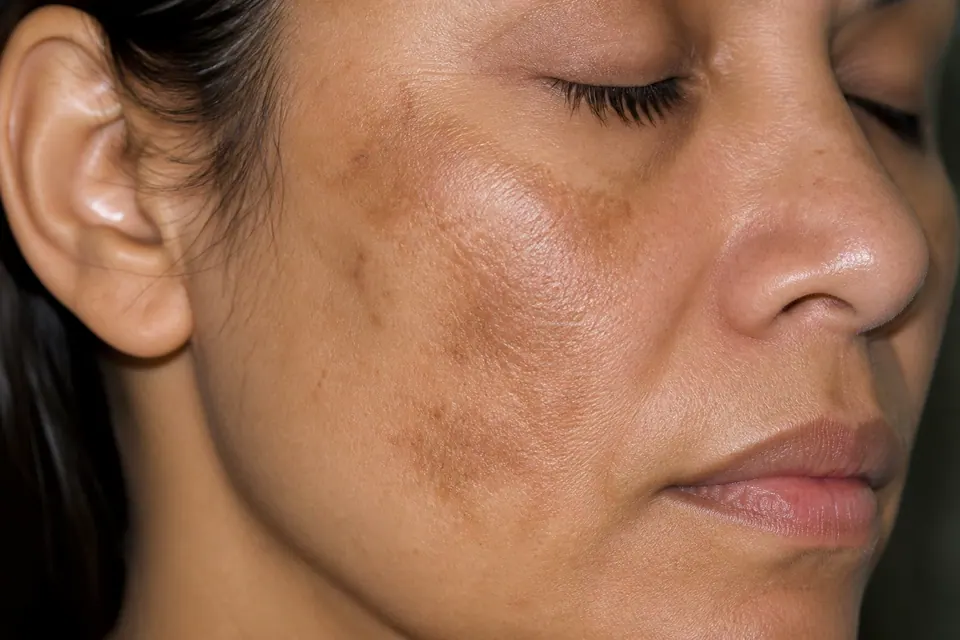
Melasma: Brown Patches on the Face — Causes and Modern Treatment
Melasma — brown patches on the face: causes (sun, hormones), how it differs from other spots, sun protection, creams, peels and laser toning. Dermatologists in Fergana and Kokand.
Read more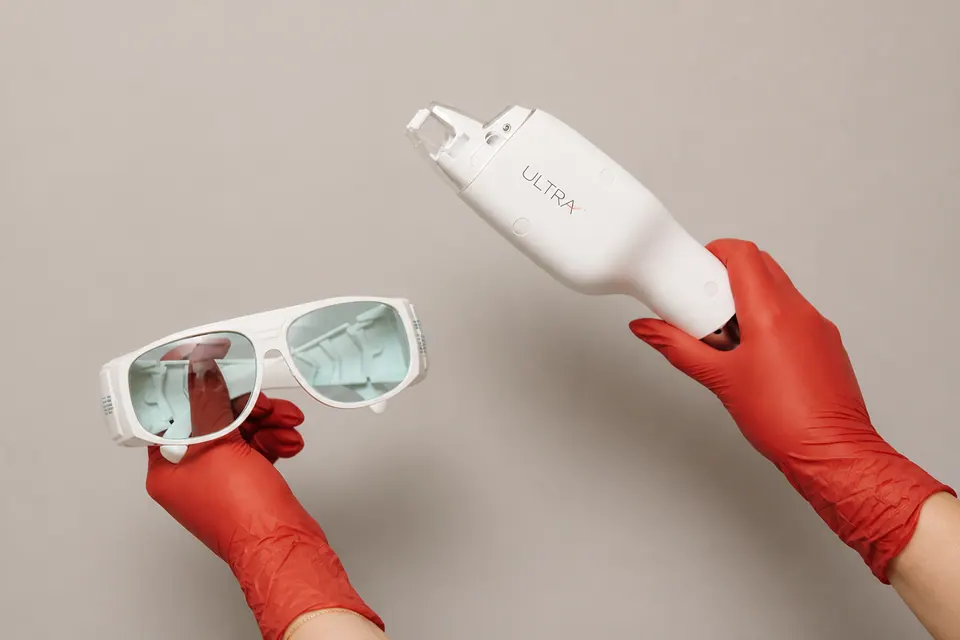
LaseMD Ultra Thulium Laser in Kokand — Rejuvenation, Pigmentation, and Skin Renewal
LaseMD Ultra 1927 nm thulium laser in Kokand: pigmentation, post-acne, enlarged pores, and skin rejuvenation. Indications, contraindications, and recovery.
Read more