
Chapped Lips and Cheilitis: How to Protect Your Lips in Winter and When to See a Doctor
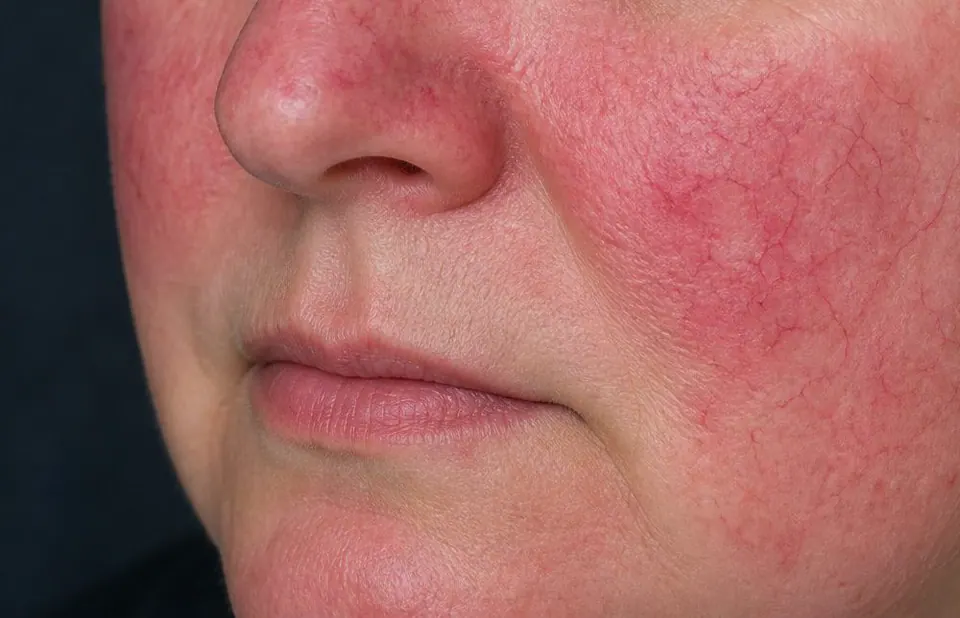
Why lips crack in winter: cold, wind, dry air and licking. Types of cheilitis, how it differs from herpes, everyday care and warning signs. Dermatologists in Fergana and Kokand.
Key takeaways
- In winter lips crack from cold, wind, dry air and too little water; licking makes it worse
- Cracks in the corners of the mouth are often linked to yeast or bacteria, sometimes to low iron or vitamins
- Lipstick, toothpaste and lip balm can cause allergic cheilitis
- A rough patch on the lower lip that will not heal may be actinic cheilitis and needs a dermatologist
- A crack lasting over 2–3 weeks, a lump or a white patch is a reason to see a doctor
In winter many people complain that their lips get dry, flaky and cracked. Most of the time this is simple dryness that settles within a week or two with the right care. But cheilitis — inflammation of the lips — is not always about the cold: it can be an infection in the mouth corners, a cosmetic allergy or sun damage built up over years. A crack that will not heal deserves attention.
What is cheilitis?
Cheilitis is inflammation of the skin and red border of the lips. Lip skin is very thin and has almost no oil glands, so it dries out quickly. Typical signs:
- dryness, tightness and peeling;
- cracks that hurt when you talk or smile;
- redness, burning, sometimes swelling;
- crusted cracks in the corners of the mouth.
Why do lips crack in winter?
- Cold and wind — quickly draw moisture out of the lip skin.
- Dry air in heated rooms — radiators, air conditioners and heaters dry the air.
- Too little water — winter dulls thirst, not the body's need.
- Licking your lips — the most common mistake. Saliva moistens for a moment, then evaporates and dries the lips further, while its enzymes irritate the skin: licking, dryness, more licking.
- Breathing through the mouth — with a cold or a blocked nose.
More on looking after your skin in winter: winter skin care.
The main types of cheilitis
- Simple dry, chapped lips — the most common type, from cold, wind and licking; it clears quickly with care.
- Cracks in the corners of the mouth (angular cheilitis) — redness, splits and crusts at the corners. Saliva often collects there, letting yeast or bacteria grow. Poorly fitting dentures, missing teeth or deep corner folds raise the risk. Sometimes the cause is low iron or B vitamins; the doctor decides which tests are needed.
- Allergic contact cheilitis — a reaction to ingredients in lipstick, toothpaste or lip balm. It usually follows a new product: itching, burning, swelling and peeling. On allergic skin inflammation: eczema.
- Actinic cheilitis — develops over years of sun exposure, mostly on the lower lip. It is more common in outdoor workers and smokers. The lip border blurs and a rough, scaly patch appears that does not heal. This is precancerous, so a dermatologist must always see it.
How it differs from herpes and perioral dermatitis
- Herpes (cold sores) — tingling, then a cluster of tiny blisters in one spot, then a crust; it often returns to the same place. More: herpes.
- Perioral dermatitis — small red bumps around the mouth with a narrow clear strip along the lip border; steroid creams and heavy cosmetics worsen it. More: perioral dermatitis.
- Cheilitis affects the lip skin itself: dryness, peeling and cracks, usually without blisters.
Each is treated differently, so no single "lip cream" fits every case.
When to see a doctor
See a dermatologist if:
- a crack or sore has not healed in 2–3 weeks;
- the lip bleeds or keeps splitting in the same spot;
- a lump or firm area appears on the lip;
- a white patch appears on the lip or inside the mouth;
- swelling grows, spreads to the face or comes with a fever.
This may be an infection, an allergy or a precancerous change. If the lips and face swell quickly and breathing gets difficult, call an ambulance at once.
What not to do at home
- Do not bite or peel off the flakes — this opens a new crack and lets infection in.
- Avoid products with alcohol, menthol, camphor or strong fragrance — they feel cooling but dry and irritate the lips.
- Do not try to "dry it out" — alcohol, iodine or salt only deepen the crack.
- Do not pick a steroid ointment or someone else's cream yourself — the wrong product can make cheilitis or perioral dermatitis worse.
- Do not lick your lips.
How the clinic diagnoses and treats it
The dermatologist examines your lips and asks about cosmetics, dentures, smoking and sun exposure. If needed:
- a swab is taken from the corner of the mouth to look for yeast or bacteria;
- blood tests check iron and vitamin levels;
- if an allergy is suspected, the likely trigger is identified;
- for actinic cheilitis or a sore that will not heal — dermatoscopy and, if needed, a biopsy.
Treatment depends on the cause: topical products prescribed by the doctor, removing the allergen from your cosmetics, advice on having dentures adjusted. For actinic cheilitis the doctor recommends follow-up or removal of the changed layer — the choice is made after the examination.
Everyday care
- A simple, fragrance-free lip balm — several times a day, especially before going outside and before bed.
- Keep the balm with you so you do not lick your lips.
- A humidifier at home — especially in the bedroom.
- Enough water, even in winter.
- An SPF lip balm in sun and snow — snow reflects sunlight, so lips burn in winter too.
- A scarf over the mouth in frost.
- Stop smoking — it lowers the risk of actinic cheilitis.
Treating chapped lips and cheilitis in Fergana and Kokand
At Radeski Skin Clinic a dermatologist identifies the type of cheilitis, rules out herpes, perioral dermatitis and precancer, and treats the cause.
In winter, do not lick your lips and keep a balm handy — and show a doctor any crack that has not healed in 2–3 weeks.
When to see a doctor
- A crack or sore has not healed in 2–3 weeks
- The lip bleeds or keeps splitting in the same spot
- A lump or firm area appears on the lip
- A white patch appears on the lip or inside the mouth
- Swelling grows, spreads to the face or comes with a fever
Frequently asked questions
Hashtags
#Cheilitis#Chappedlips#Drylips#Angularcheilitis#Dermatologist#Fergana#Kokand#RadeskiSkinClinic
Important note: This article is for general information only and does not replace a medical consultation.
Related clinic services
More helpful articles
How to Prepare for a Dermatologist Visit: What to Bring and What Happens
How to prepare for a dermatologist visit: what to bring, what not to do beforehand, what happens at the visit and which questions to ask. Fergana and Kokand.
Read more
Cold Sores (Herpes): Why They Come Back and How to Treat Them Fast
Cold sores (herpes): why they come back, the stages, how herpes spreads, antiviral treatment and when to see a doctor urgently. Dermatovenereologists in Fergana and Kokand.
Read more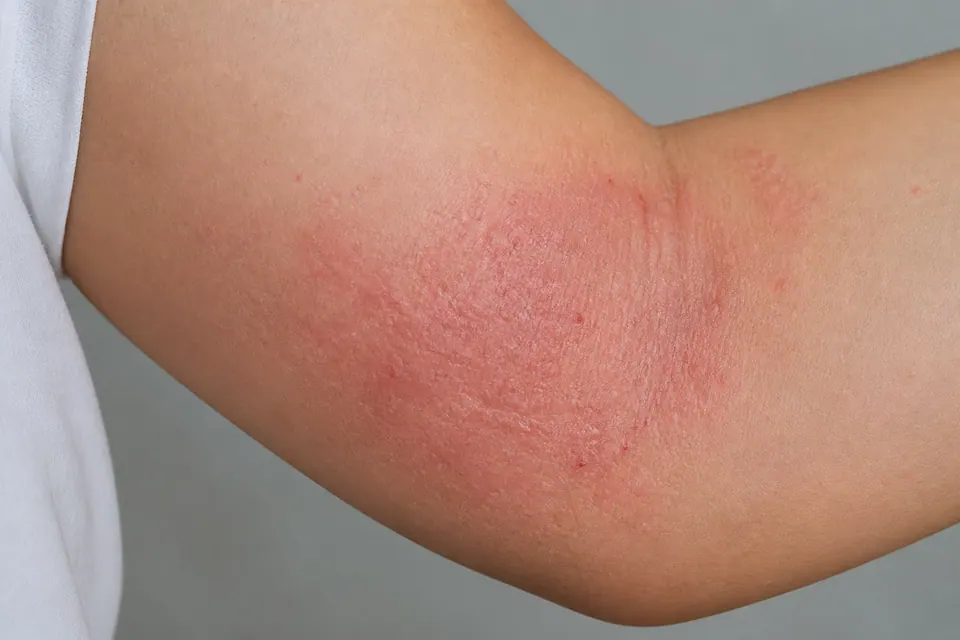
Eczema: Types, Causes and Treatment — Red, Weeping and Itchy Skin
Eczema: redness, blisters, weeping and intense itching. Types, causes, how it differs from psoriasis and fungus, treatment and winter hand care. Dermatologists in Fergana and Kokand.
Read more