
Shingles (Herpes Zoster): First Signs, Warning Signs and Treatment

Shingles — one-sided pain and a band of blisters: who gets it, why the first days matter, warning signs and whether it is contagious. Dermatologists in Fergana and Kokand.
Key takeaways
- Shingles is caused by the chickenpox virus waking up in a nerve years later
- The first sign is burning pain on one side of the body, then a band of blisters
- Treatment prescribed by a doctor in the first days makes the illness milder
- A rash on the face, near the eye or on the ear, high fever and confusion are urgent signs
- Blisters are a risk to people who never had chickenpox, pregnant women and babies; ask your doctor about the vaccine
Shingles (herpes zoster) is a viral illness that causes a painful band of blisters on one side of the body. It is caused by the same virus as chickenpox. In the first days it is often mistaken for ordinary back, chest or rib pain — yet treatment started in exactly those days helps the most.
What is shingles?
After chickenpox the virus never fully leaves the body: it lies "asleep" in nerve roots for years. When immunity weakens, the virus wakes up and travels along a nerve to the skin. That is why the rash follows a single nerve — on one side of the body only, as a stripe or "belt".
It is not the same as cold sores on the lips: the viruses belong to one family but are different. More about cold sores: herpes. Despite similar names, pityriasis rosea and lichen planus are entirely different diseases.
Who gets it?
- people over 50 — the risk rises with age;
- people with weakened immunity — diabetes, cancer, chemotherapy, immune-suppressing treatment, HIV;
- after severe stress, exhaustion or a serious illness;
- young healthy people can get it too, but it is usually milder.
First signs
- 1–5 days before the rash — burning, tingling, stabbing or "electric" pain on one side of the body; the skin becomes very sensitive to touch;
- tiredness, headache, sometimes fever;
- then redness and clusters of fluid-filled blisters in that area — they form a band on one side, most often on the chest, ribs or lower back;
- within 7–10 days the blisters crust over, and the skin usually heals in 2–4 weeks.
The pain before the rash is often taken for heart, kidney or spine pain. If the pain is one-sided and burning and the skin has become sensitive, see a doctor.
Why do the first days matter?
When antiviral treatment starts in the first days after the rash appears — ideally within 72 hours — the illness is usually milder and shorter, and the risk of long-lasting pain goes down. Antiviral medicines are prescribed only by a doctor, who chooses treatment based on your age, immunity and where the rash is. Even if you are late, still come — pain control and preventing complications are needed anyway.
Get urgent help if:
- the rash is on the face, around the eye, on the tip of the nose or on the ear — it can affect sight and hearing; also hurry if facial muscles feel weak;
- the person has very weak immunity (chemotherapy, transplant, HIV, severe diabetes);
- the rash spreads beyond one side and across the body;
- there is high fever, a severe headache, confusion, drowsiness or a stiff neck;
- the blisters fill with pus or redness and swelling keep spreading around them.
Post-herpetic pain
In some people, especially older adults, pain lasts for months after the skin has healed. This is post-herpetic neuralgia: even clothing touching the skin hurts, burns or stabs. Early treatment lowers this risk. If pain continues after the skin heals, see your doctor again — a neurologist may help choose treatment to ease it.
Is it contagious?
Shingles itself does not pass to others as shingles, but the virus can spread through fluid from the blisters. If someone who has never had chickenpox and is not vaccinated touches it, they can develop chickenpox. So until the blisters have crusted over:
- keep the rash covered with clothing or a clean dressing;
- avoid close contact with pregnant women, babies and people with weak immunity;
- wash your hands often and use your own towel.
About rashes in children: skin rashes in children.
What not to do at home
- paint the whole rash with brilliant green or iodine — the skin dries out, heals worse and the doctor cannot see the rash;
- pop the blisters or pick off crusts — risk of infection and scars;
- take hot baths, use a bathhouse or sauna, or rub the rash;
- apply steroid creams on your own;
- "burn it out" with hot compresses and folk remedies;
- wait for the pain to pass on its own.
Diagnosis and treatment at the clinic
A dermatologist usually diagnoses shingles on examination: a one-sided band of rash after a few days of pain is very typical. In unclear cases extra tests may be ordered. Treatment usually includes:
- antiviral medicines prescribed by the doctor;
- pain relief matched to how strong the pain is;
- topical products to help the skin heal;
- if needed, an eye specialist, ENT doctor or neurologist.
Caring for the skin while it heals
- keep the rash clean and dry; after a warm (not hot) shower, pat the skin dry instead of rubbing;
- wear loose cotton clothing;
- cover blisters with a clean, non-stick dressing;
- if it itches while healing, do not scratch — ask your doctor; more: itchy skin;
- rest, sleep well and eat properly.
Prevention
A shingles vaccine exists. It is often recommended for people over 50 and for those with weak immunity. Discuss with your doctor whether it is right for you. Keeping diabetes and other chronic conditions under control also supports your immunity.
Shingles treatment in Fergana and Kokand
At Radeski Skin Clinic a dermatologist examines the rash, checks for warning signs, prescribes treatment and follows the skin as it heals.
If burning pain and blisters appear on one side of your body, do not wait — see a doctor in the very first days.
When to see a doctor
- Burning pain and blisters on one side of the body
- A rash on the face, around the eye or on the ear — the same day
- A rash in someone with weak immunity or over 50
- High fever, confusion or a rash spreading across the body
- Pain that continues after the skin has healed
Frequently asked questions
Hashtags
#Shingles#Herpeszoster#Chickenpoxvirus#Postherpeticpain#Dermatologist#Fergana#Kokand#RadeskiSkinClinic
Important note: This article is for general information only and does not replace a medical consultation.
Related clinic services
More helpful articles
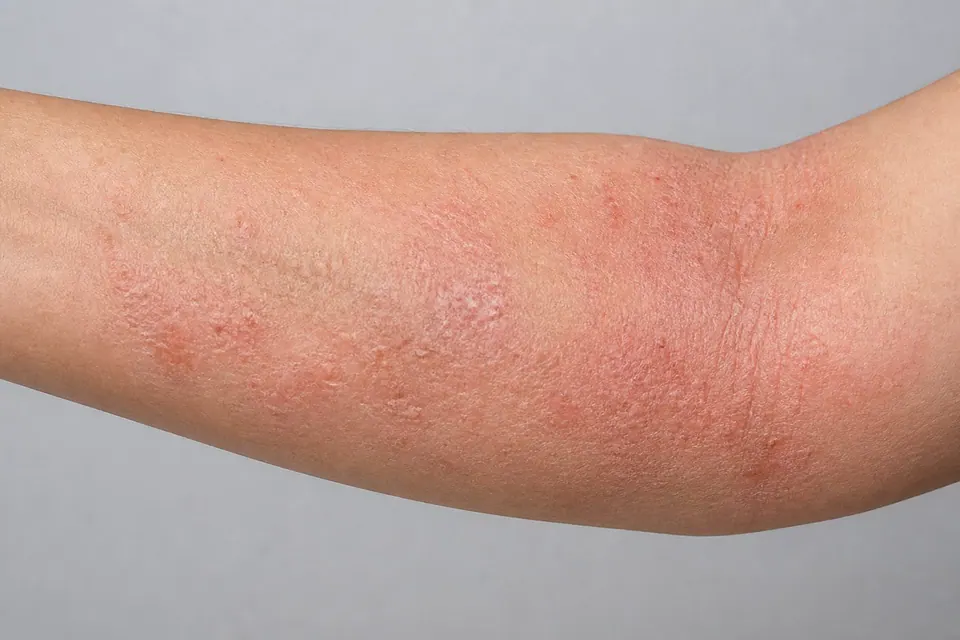
Lichen Planus: Symptoms, Causes and Treatment — Is It Contagious?
Lichen planus — itchy purple-red bumps that are neither contagious nor a fungus. Signs, mouth and scalp forms, diagnosis and treatment. Dermatologists in Fergana and Kokand.
Read more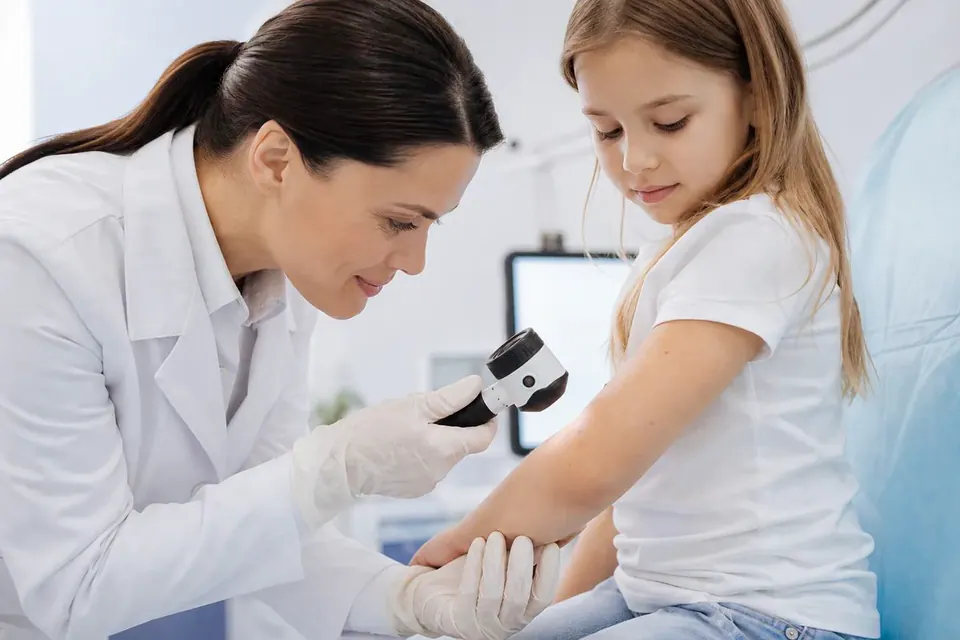
Atopic Dermatitis in Children: A Winter Care Plan for Parents
Why atopic dermatitis in children flares in winter: signs by age, a bathing and moisturising plan, red flags and what not to do. Paediatric dermatologists in Fergana and Kokand.
Read more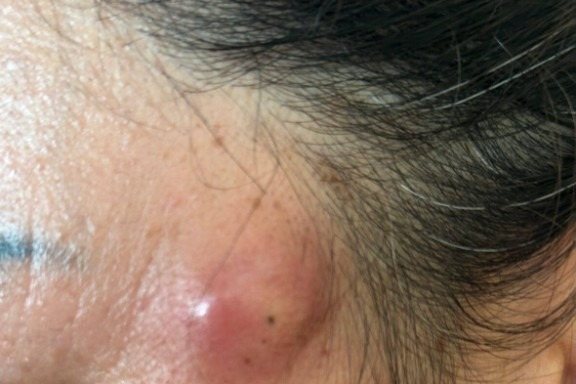
Boils (Furuncles) and Folliculitis: Causes, Danger Signs and Why Not to Squeeze
Boils and folliculitis: the difference, causes, stages, why a boil on the face is dangerous, what not to do at home and how they are treated. Dermatologists in Fergana and Kokand.
Read more